The Session
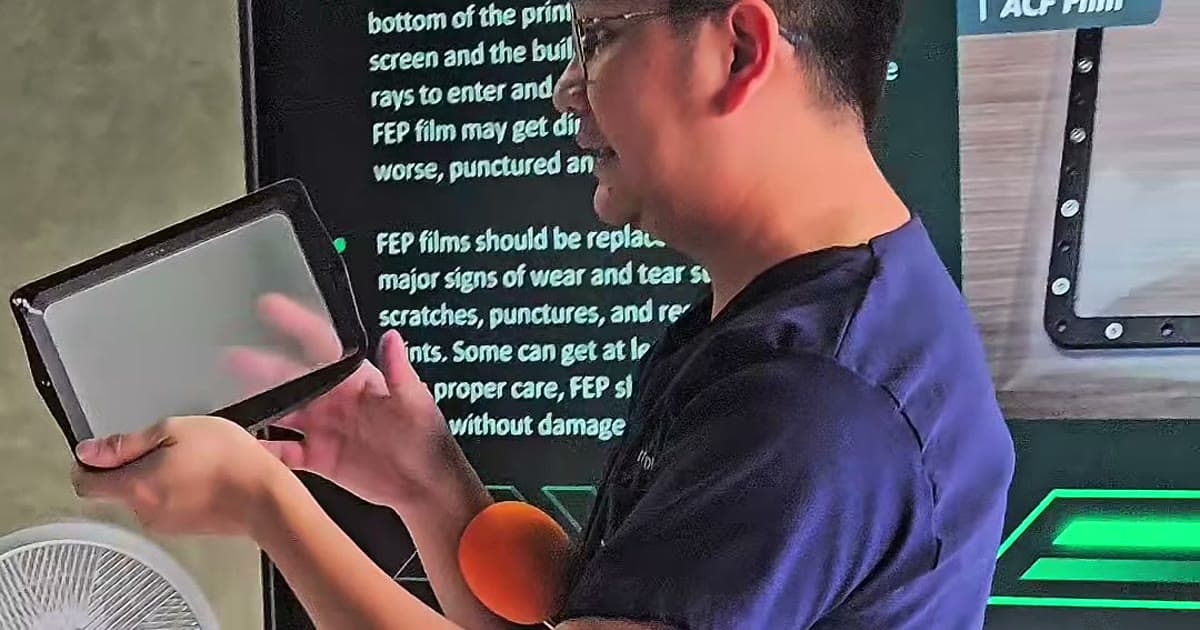
On April 26, 2026 the Crest Study Group ran a hands on 3D printing session at the DentaSource Direct Training Center in Pasig City. The subject was the pair of steps that decide whether a printed model is usable in the clinic: nesting, and post processing.
Neither step is glamorous. Both are where most printing failures actually happen, long before anyone blames the printer.
Nesting: How the Plate Is Arranged
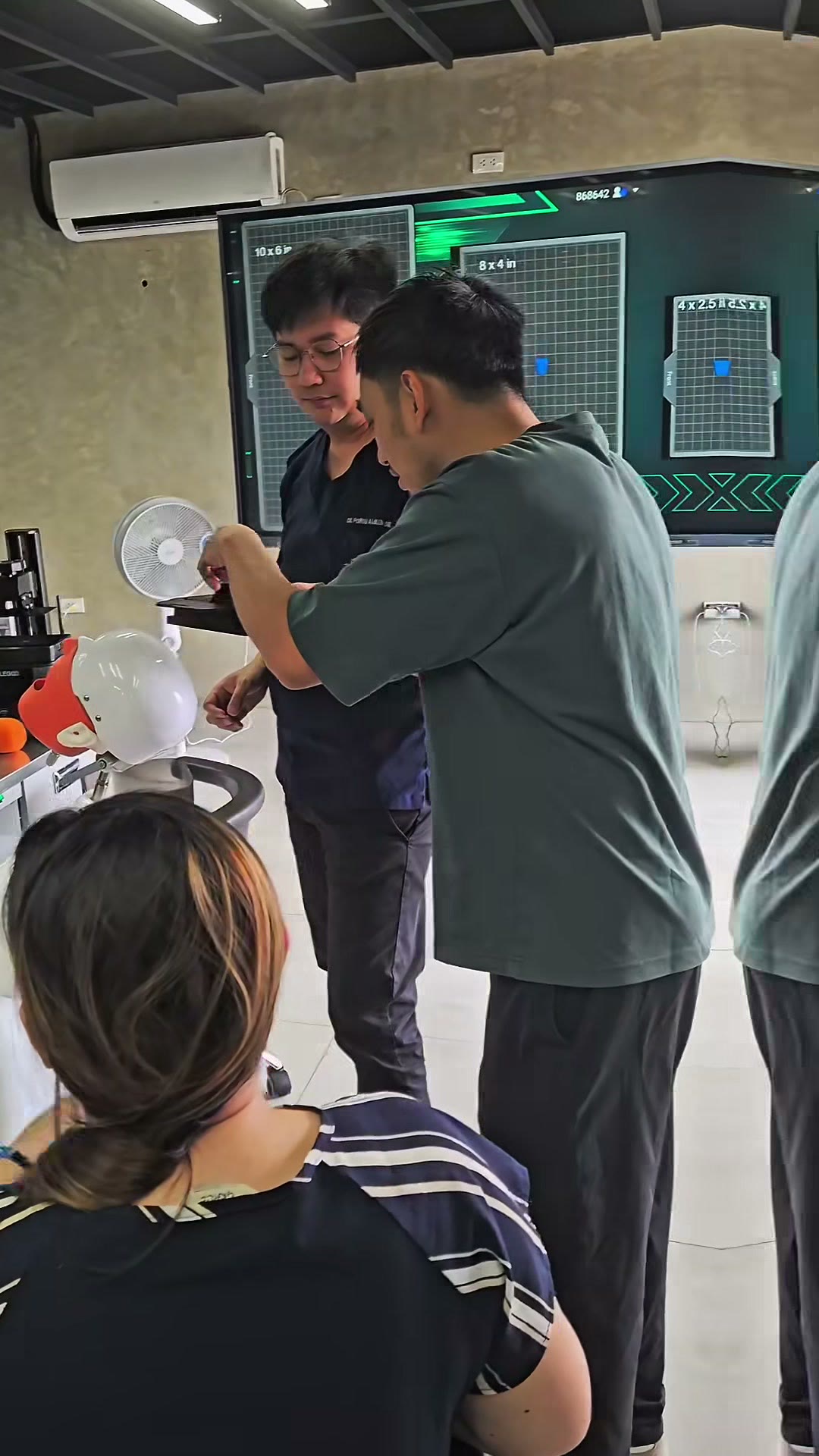
Nesting is everything that happens before the printer is switched on. The operator lays the digital models out on the virtual build plate, decides the angle each one sits at, and places the supports that hold it steady while it cures layer by layer.
That single decision cascades. The angle changes how much resin is drawn, how long the run takes, how many models fit in one plate, and which surfaces end up carrying support marks. Put the marks on a fitting surface and the model is compromised. Put them on the base and nobody ever sees them.
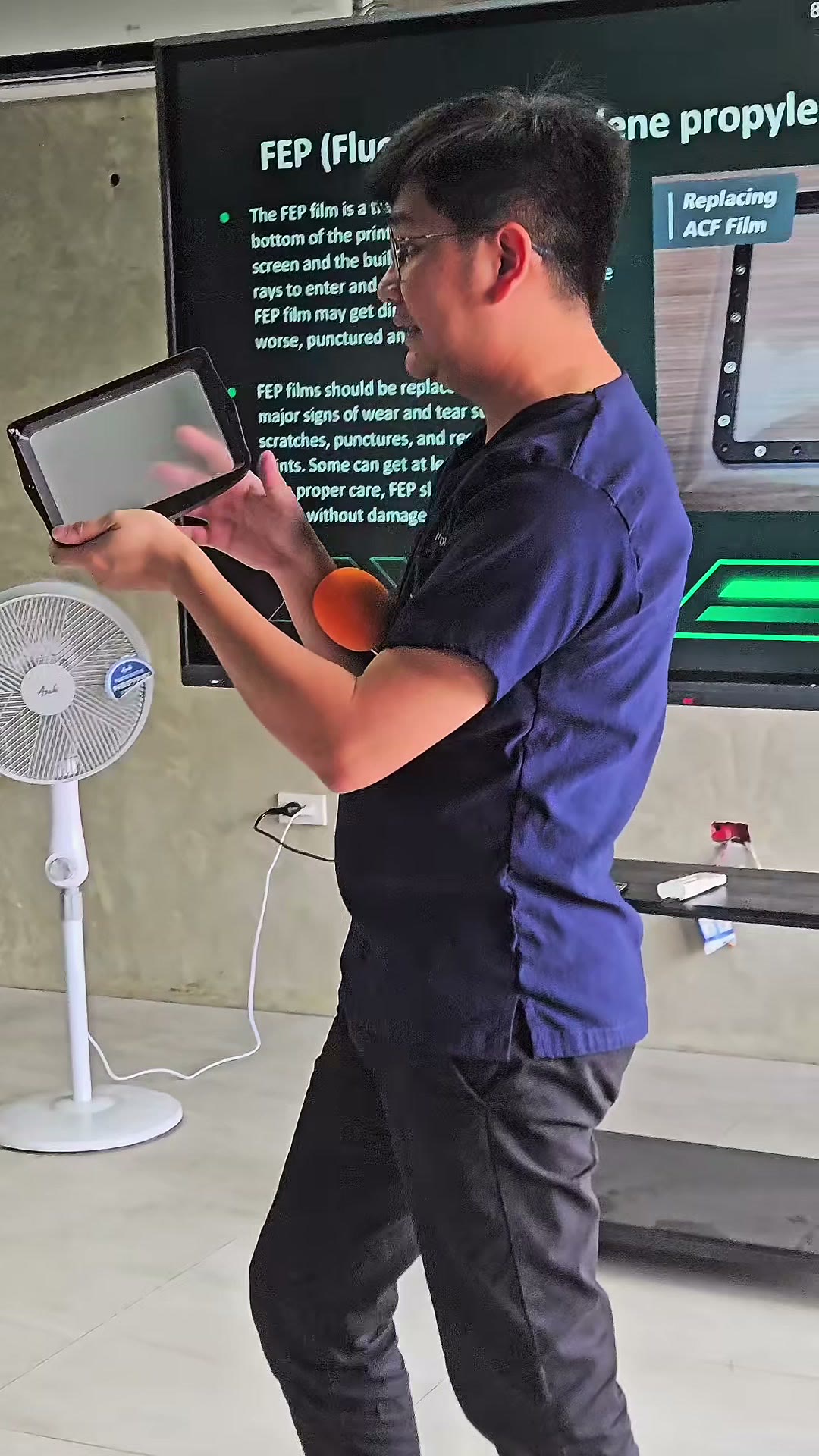
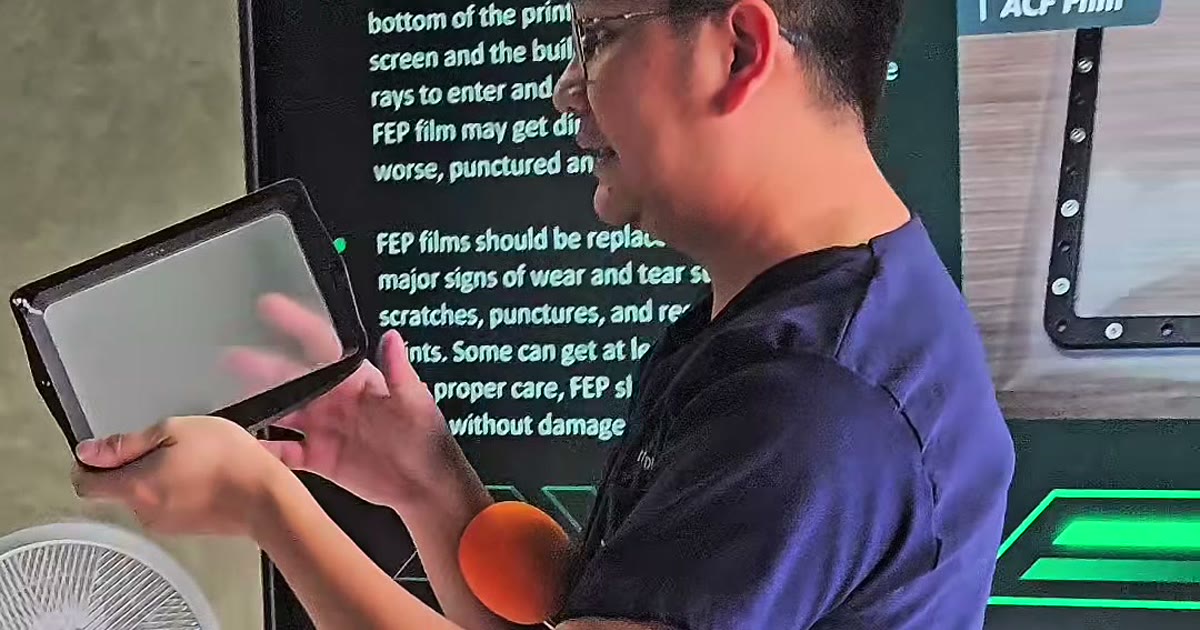
The session opened at the screen with the slide on FEP film, the clear sheet at the bottom of the resin tank that every layer peels away from. A tired or clouded film changes how cleanly a print releases, which is why it gets checked before a plate is committed rather than after a failure.
The Bench Work
Post processing is the second half. A part that comes off the plate is not finished. It is still wet with uncured resin and still soft.
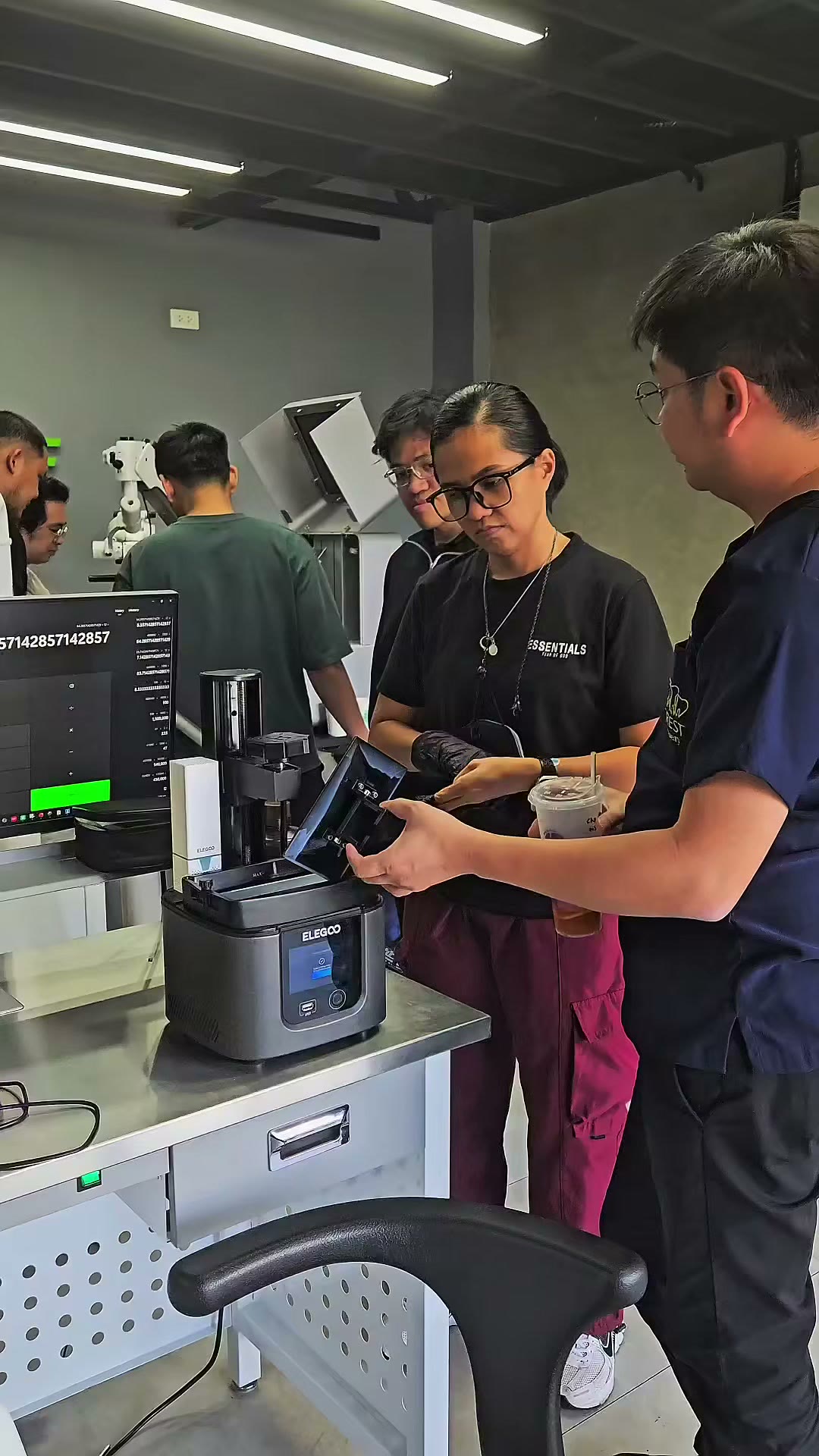
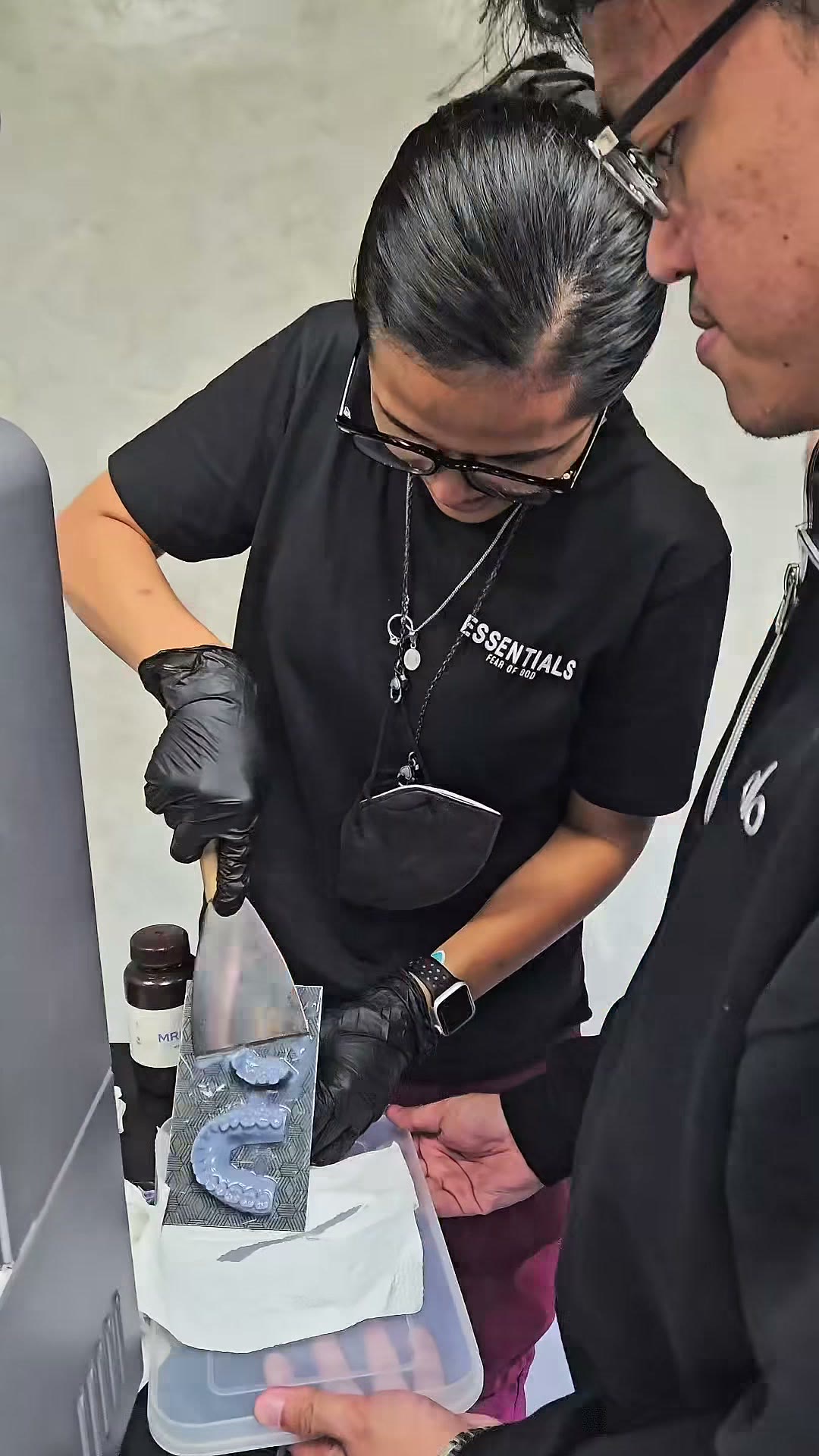
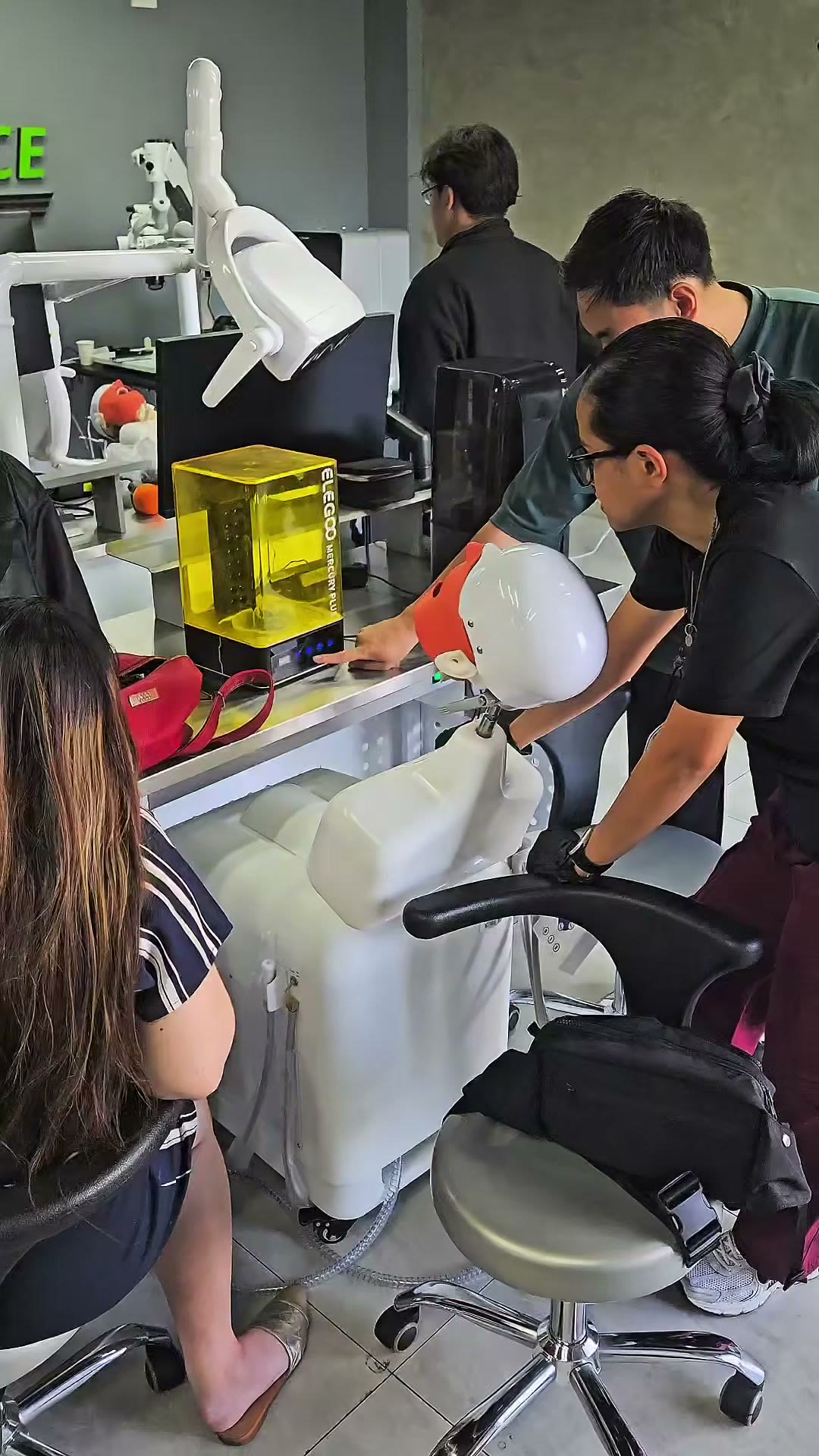
Washing removes the resin still clinging to the surface and sitting inside hollow areas. Time it badly and the part suffers either way: too little and the surface stays tacky and dimensionally off, too much and fine detail softens. After the wash comes the cure unit, where light finishes the polymerisation the printer started.
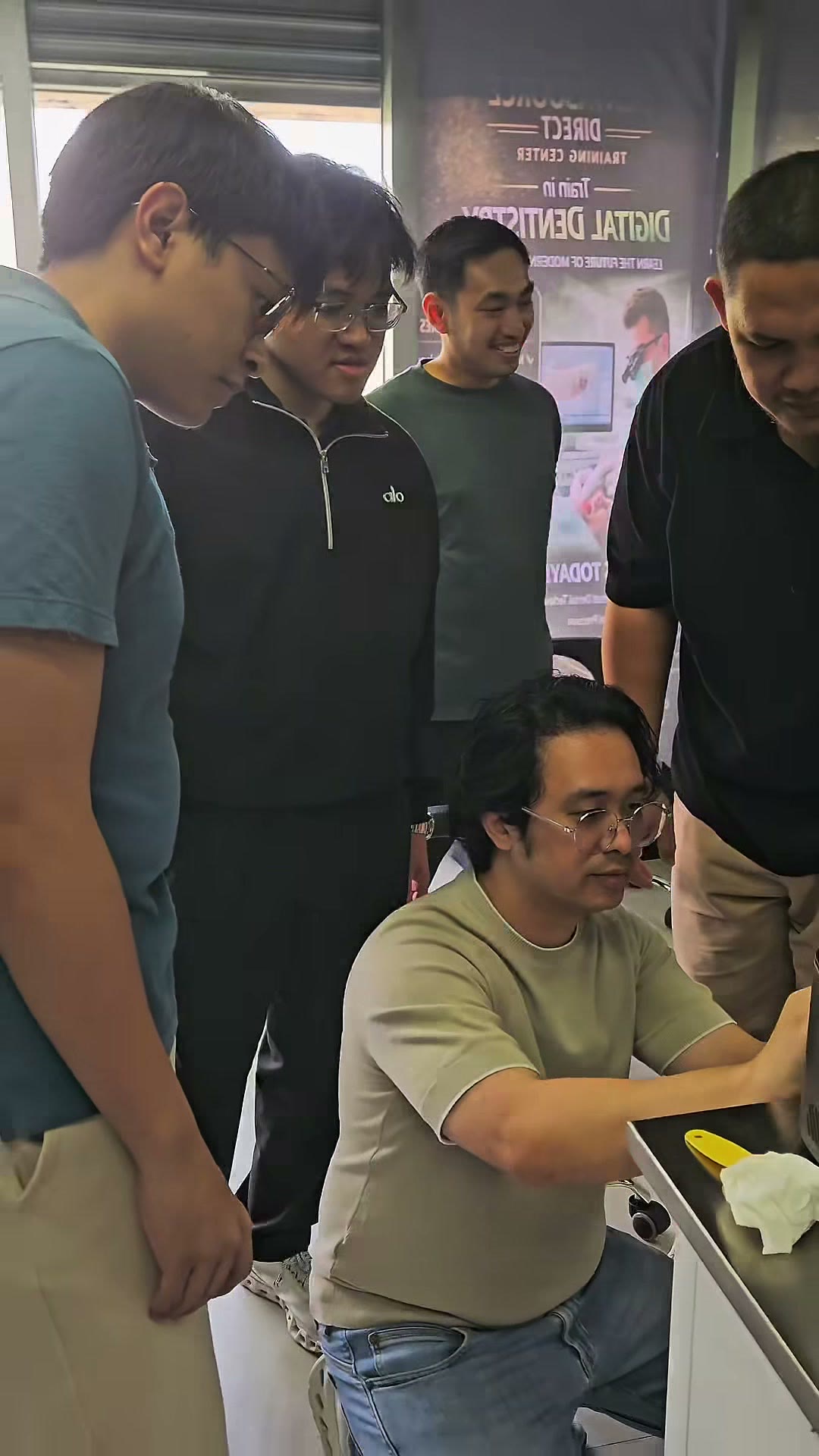
Trainees worked through the sequence themselves rather than watching it. That is the point of a hands on room. Reading about wash times teaches nothing about how a model feels when it has had thirty seconds too many.
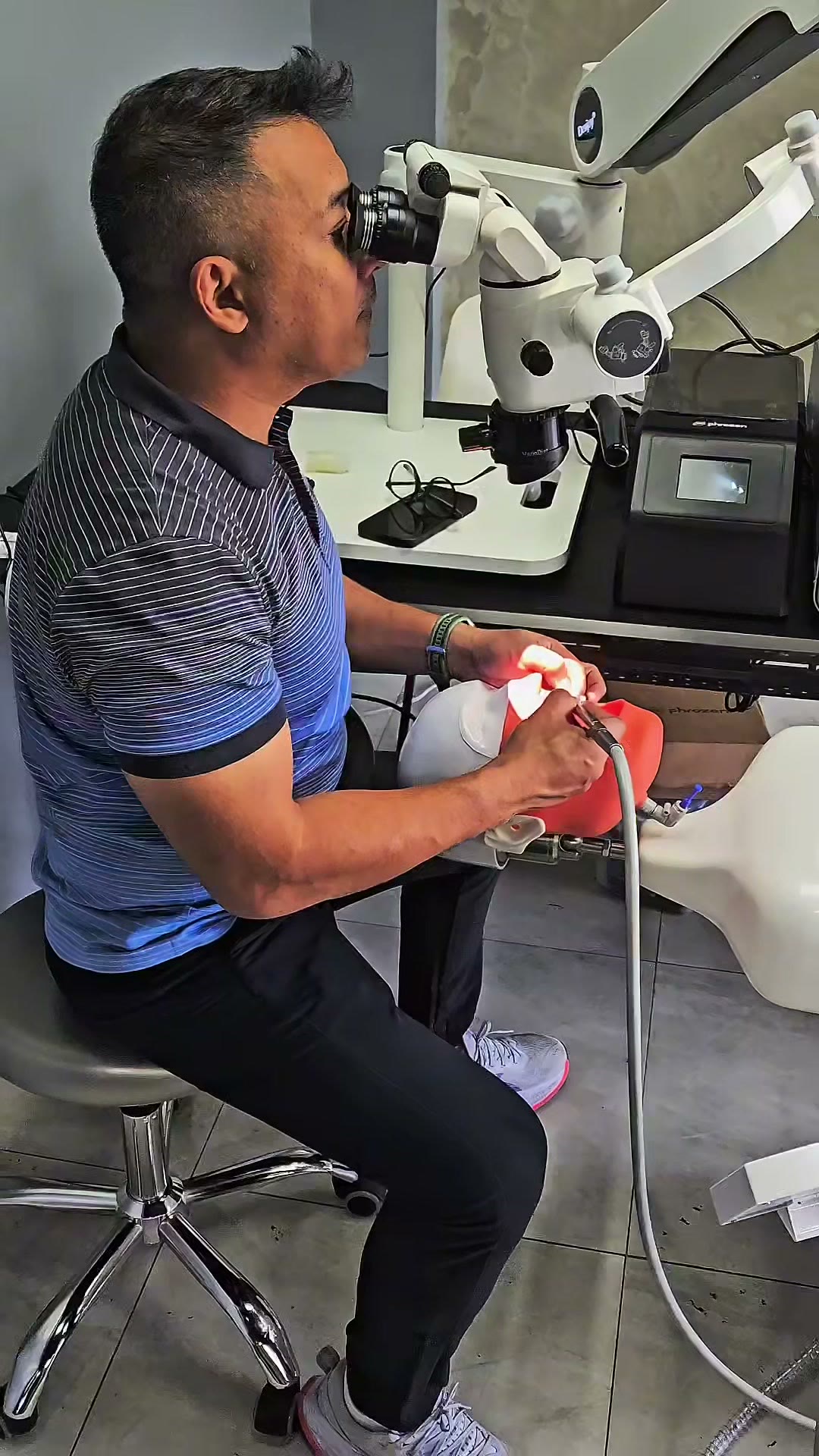
Checking the Result
The last station was the microscope. Margins, fit and surface finish are judged there, not by eye across a bench. A model that looks perfect at arm's length can carry a support scar or a flat spot exactly where a restoration has to seat.
Sending trainees from the printer to the wash to the cure unit and then to the microscope closes the loop. Every nesting decision made at the start of the session shows up, visibly, at the end of it.
Why It Matters for a Clinic
Printing in house only pays off when the output is predictable. A clinic that prints its own models, guides and try ins saves days of turnaround, but only if the failure rate is low enough that nobody schedules around a reprint.
Nesting and post processing are the two levers that control that rate. They cost nothing to improve except attention, which is precisely why they are worth a full day of training.
The Training Center is at Units 307 and 308, 3rd Floor, Mercedes Square Plaza, Mercedes Avenue corner Luis Street, San Miguel, Pasig City. Sessions with the Crest Study Group run through the year, and slots are limited by the number of benches in the room.
From Our Facebook Page
Written from our post of April 26, 2026.
 Facebook reelWatch the original with sound