Live at the Training Center
On April 12, 2026 the Crest Study Group ran a hands-on digital designing session at the DentaSource Direct Training Center in Pasig. We posted it live, in the middle of the day, while the room was working.
The reason for filming a training day rather than describing it afterwards is simple. Digital dentistry is sold mostly in slides and renders, and a room full of people with handpieces in their hands is a more honest picture of what learning it actually looks like.
What Hands-On Means Here
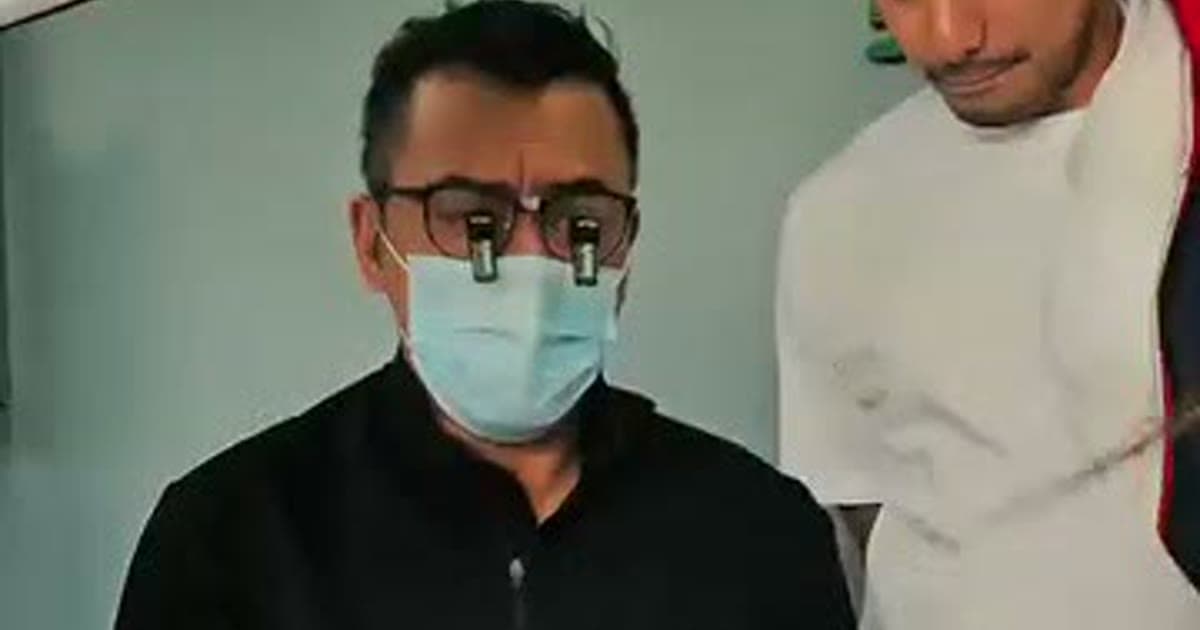
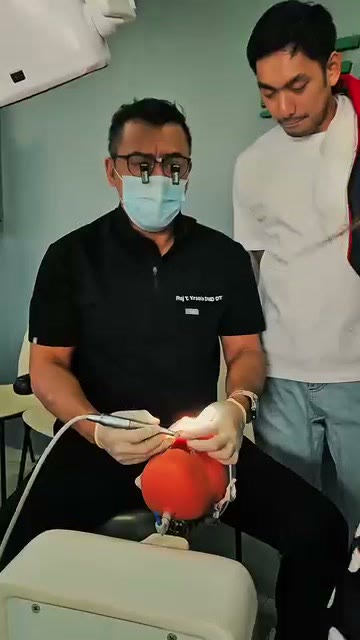
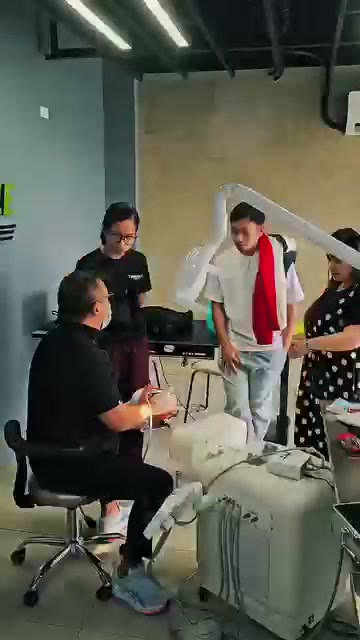
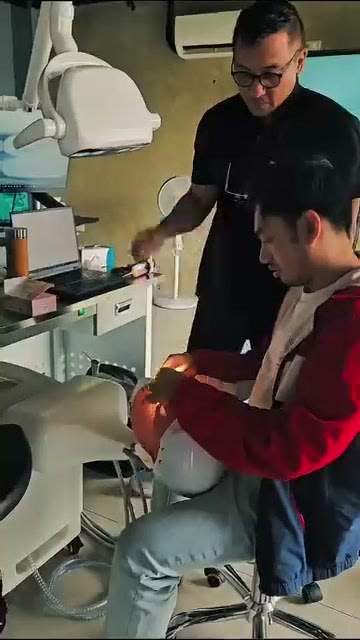
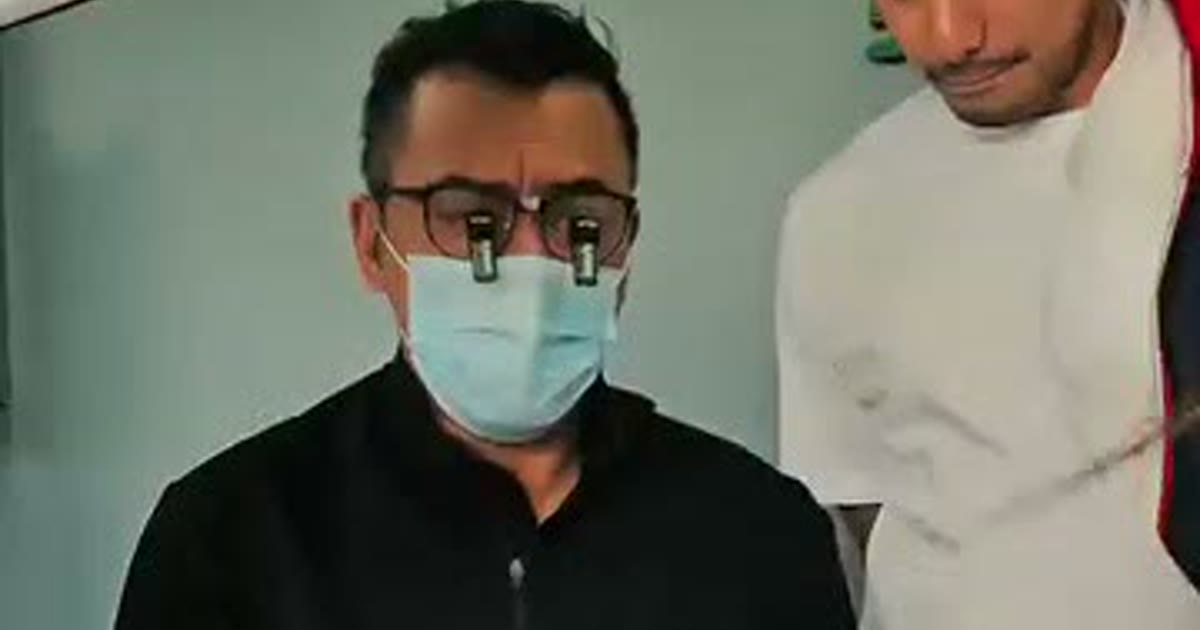
The session opens with the instructor at a phantom head, in loupes and a mask, running a handpiece while a trainee watches from close range. Then the instructor sits down at a simulator with the group gathered around, and then works alongside a trainee at their own station.
That sequence is the whole method. Demonstrate at working distance, sit at the same station the trainees are using, then correct at the point where the hand is actually wrong. It is slower than lecturing and it is the only thing that transfers.
Why Designing Starts at the Handpiece
Digital designing sounds like screen work, and much of it is. The restoration is built in software on a scanned model, with margins, contacts and occlusion set by the clinician rather than guessed at from a stone die.
But the software can only work with what the mouth gives it. A preparation with an unreadable margin produces a design that has to be invented at the edge. A path of insertion that fights the adjacent teeth shows up as a design the software will accept and the patient will not. Which is why a digital designing course is taught with burs in hand: the quality of the design is decided before anyone opens the file.
At the Bench
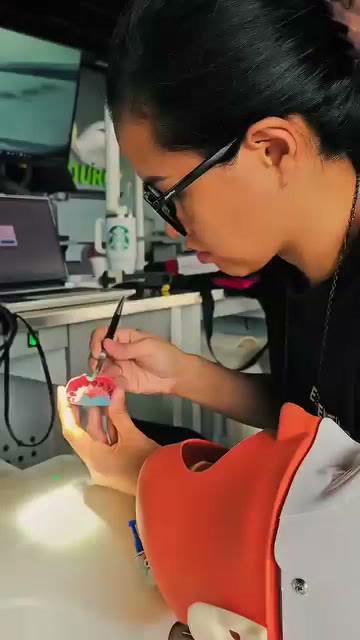
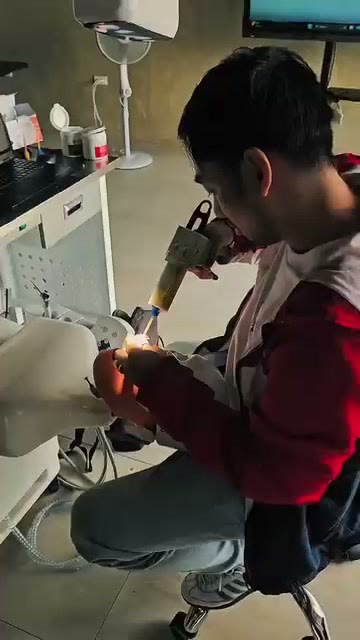
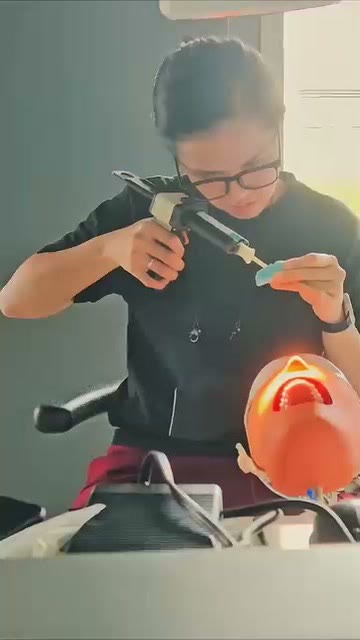
The second half of the reel is the trainees working. One is at the bench with a model, one has a handpiece at the phantom, one is in loupes and concentrating.
Loupes are worth a note of their own. Magnification changes what a clinician can see at the margin, and once someone has prepared under magnification they generally do not go back. It is one of the smaller upgrades in dentistry with one of the larger effects on the work that leaves the chair.
Who These Sessions Are For
The short answer is anyone whose practice is going digital in pieces. That is many clinics. A scanner arrives first, a design workflow gets bolted on later, and a printer sits in a corner because nobody has had a full day to learn it properly.
A supervised session closes that gap faster than a manual does, because the mistakes get made in the room and corrected while they are still fresh. Slots are limited by the number of simulator stations, which is the honest constraint on any hands-on course.
From Our Facebook Page
Written from our post of April 12, 2026.
 Facebook reelWatch the original with sound