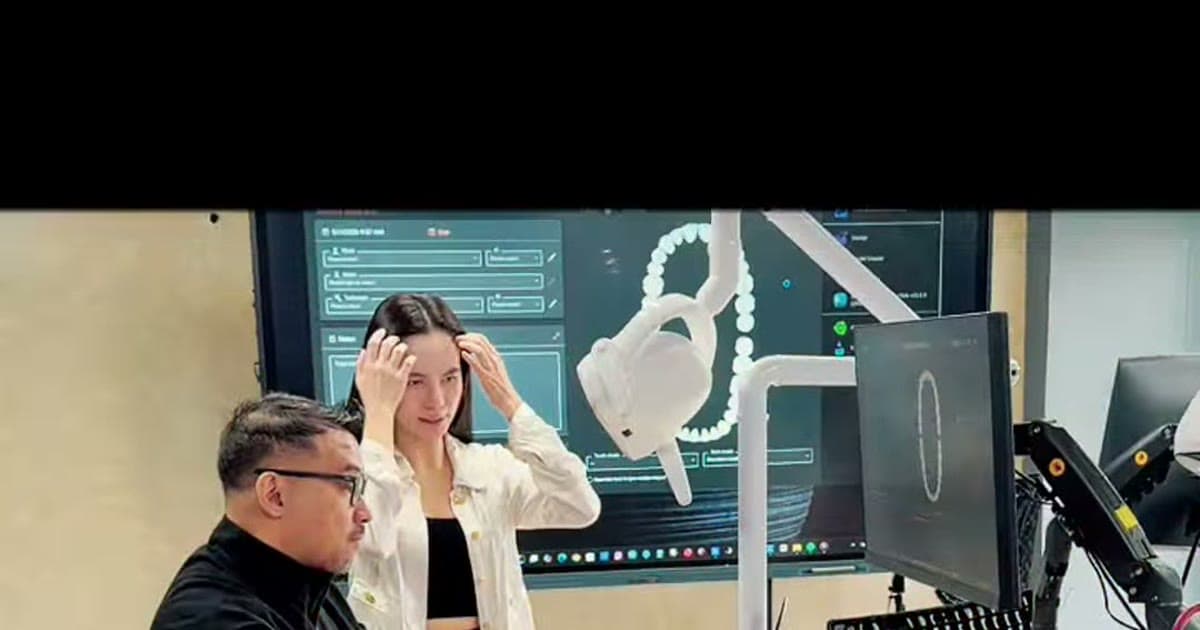
The Session
On August 2, 2026 we ran a Digital CAD Designing course at the DentaSource Direct Training Center, Units 307 and 308, 3rd Floor, Mercedes Square Plaza, Mercedes Avenue corner Luis Street, San Miguel, Pasig City. The instructors came from the Crest Study Group.
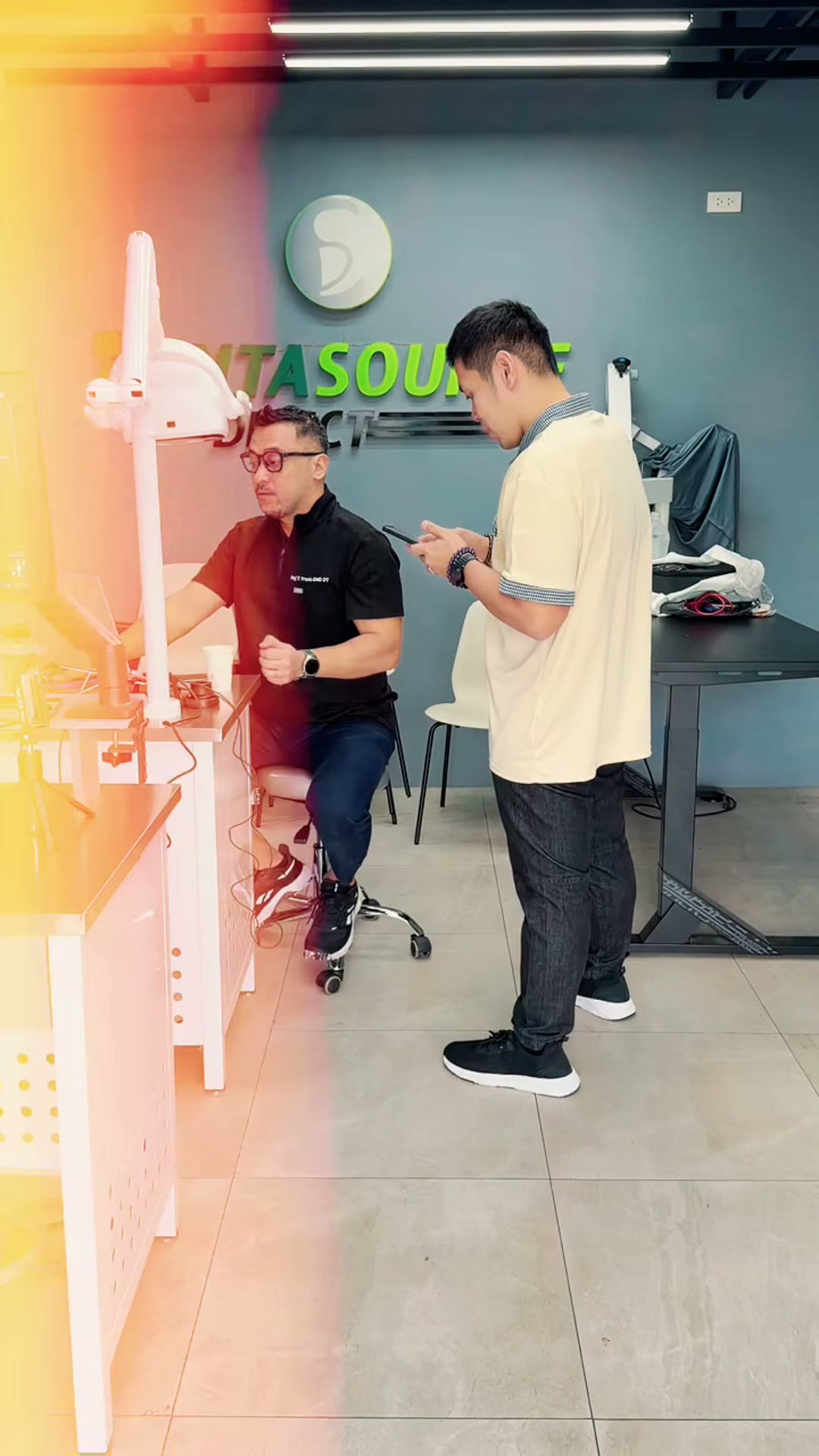
The format was hands on. Every participant worked at a screen with a case open, and the teaching happened over the shoulder rather than from a lectern.
What CAD Design Covers
CAD stands for computer aided design. In dentistry it is the step between the scan and the finished restoration: the digital impression is imported, the margin is marked, the software proposes a shape, and the operator corrects that shape until it fits the bite, the contacts and the material.
The course started with the fundamentals. How a scan file is read, how a margin line is drawn cleanly, how insertion axis and cement gap are set, and what happens to the design when any of those are wrong. From there it moved to the corrections that separate a passable crown from one that seats without adjustment.
At the Screen and at the Bench
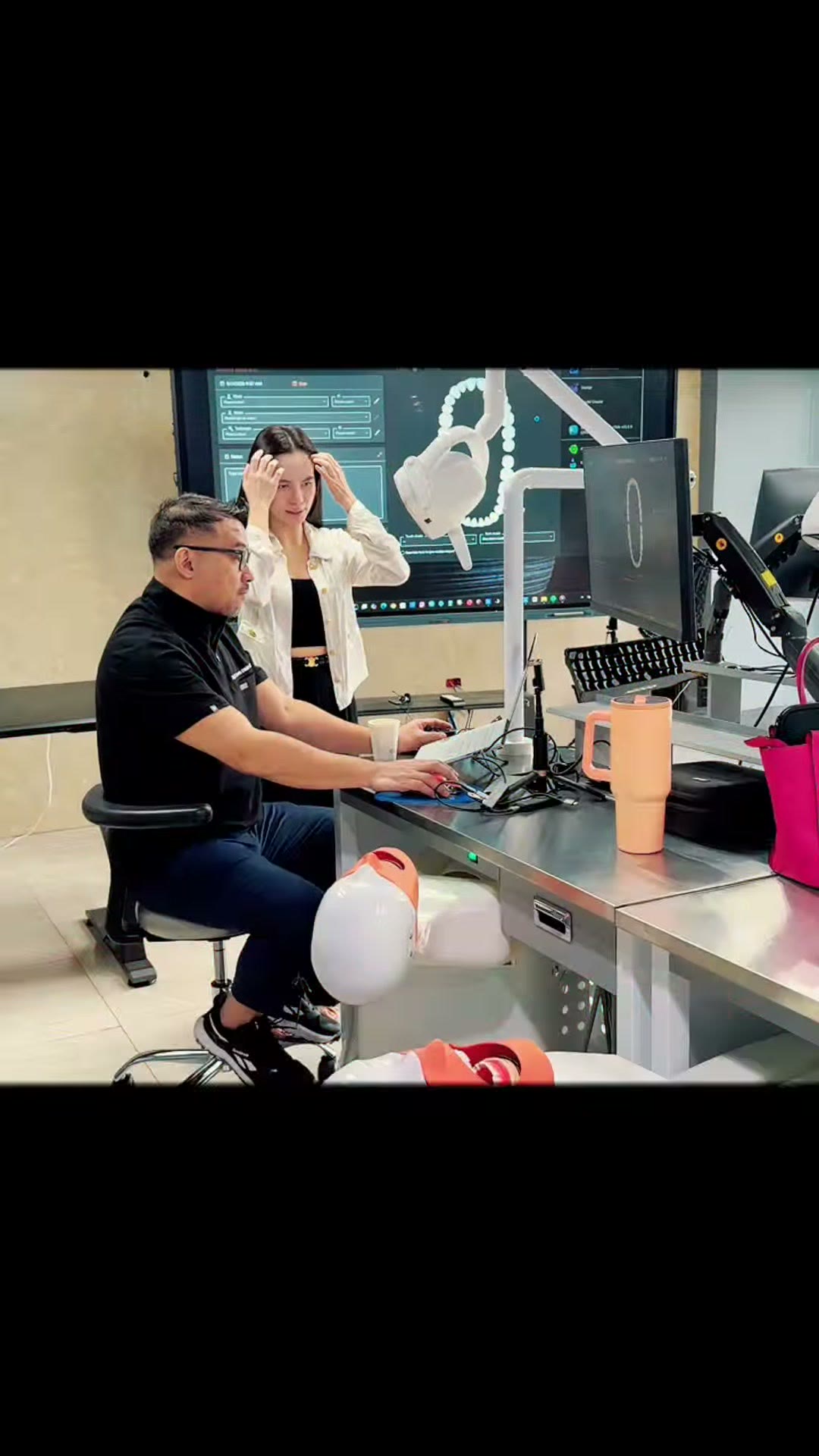
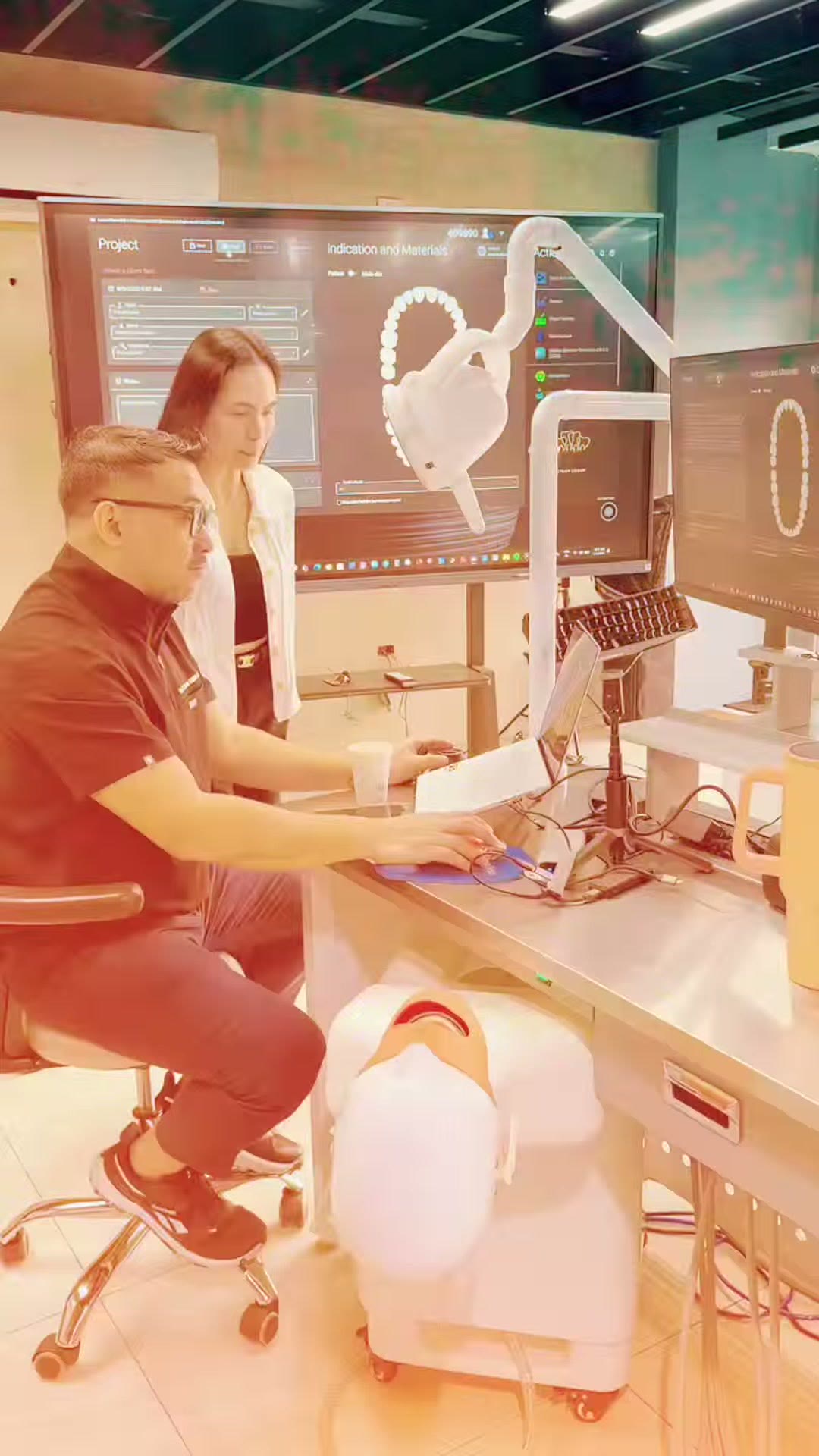
The stills follow the shape of the day. Most of the time is spent at the monitor with a case on screen, and the rest at the bench, where the phantom head keeps the digital work tied to a real preparation.
That pairing is deliberate. A design looks reasonable on a screen at any magnification, and the quickest way to see whether it is reasonable is to put it back against the model it came from.
The Room
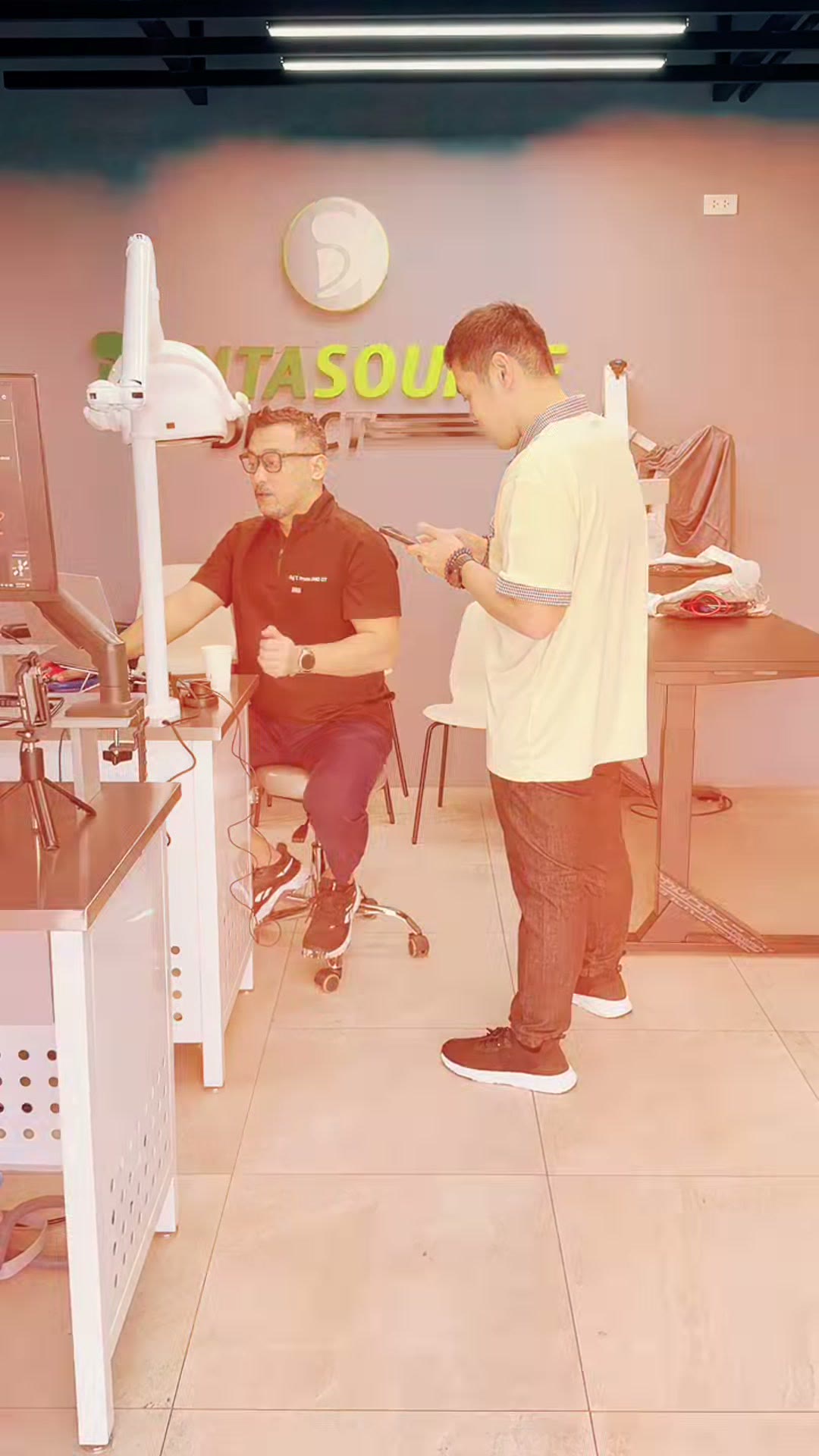
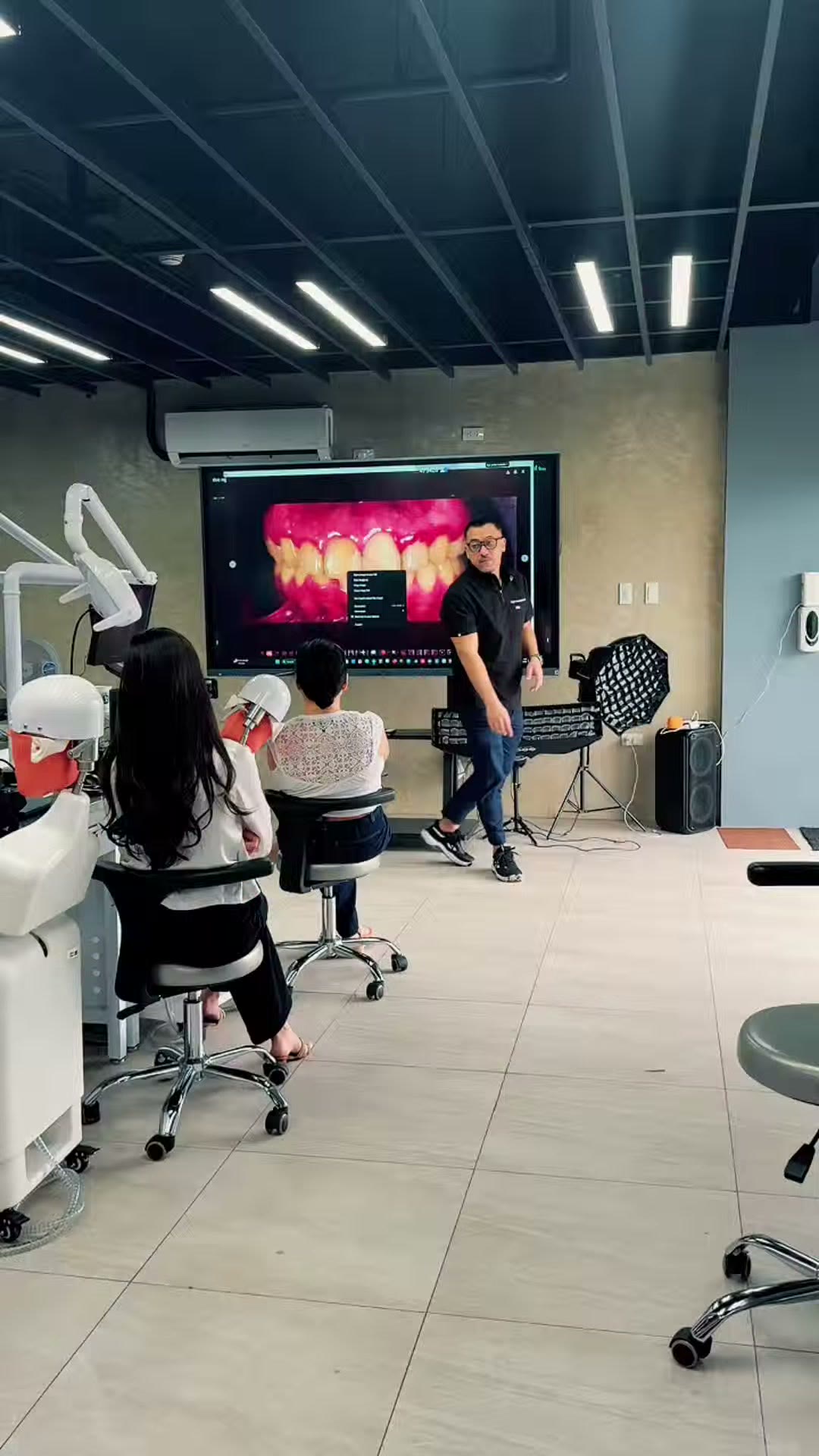
The last still shows the room as it runs: an intraoral photograph on the large screen, trainees seated with their own workstations in front of them. Everyone sees the same case at the same time, then repeats the step on their own file.
Our Training Center is built for this. Simulator stations with phantom heads, bench space, a projector, and enough room to move between participants without anyone losing the thread.
Who It Is For
The course was written for three groups: general dentists who already send digital impressions and want to understand what the laboratory receives, dental technicians moving from wax to software, and newer graduates building a digital workflow from the start. No prior design experience was assumed.
Why It Matters
A Philippine clinic that scans but cannot design is still dependent on someone else's interpretation of the case. Understanding the design step shortens the loop. Margins get marked while the patient is still in the chair, remakes drop, and the conversation with the laboratory becomes specific rather than approximate.
It also changes what equipment is worth buying. Once a clinician has seen the design software work, the questions about scanners, milling and printing stop being abstract.
Coming to the Training Center
We run courses at the Training Center through the year, in batches small enough that every seat gets screen time. Schedules, fees and registration are on request, and the equipment used in the course is on the showroom floor at 610 C. Raymundo Avenue, Maybunga, Pasig City.
From Our Facebook Page
Written from our post of August 2, 2026.
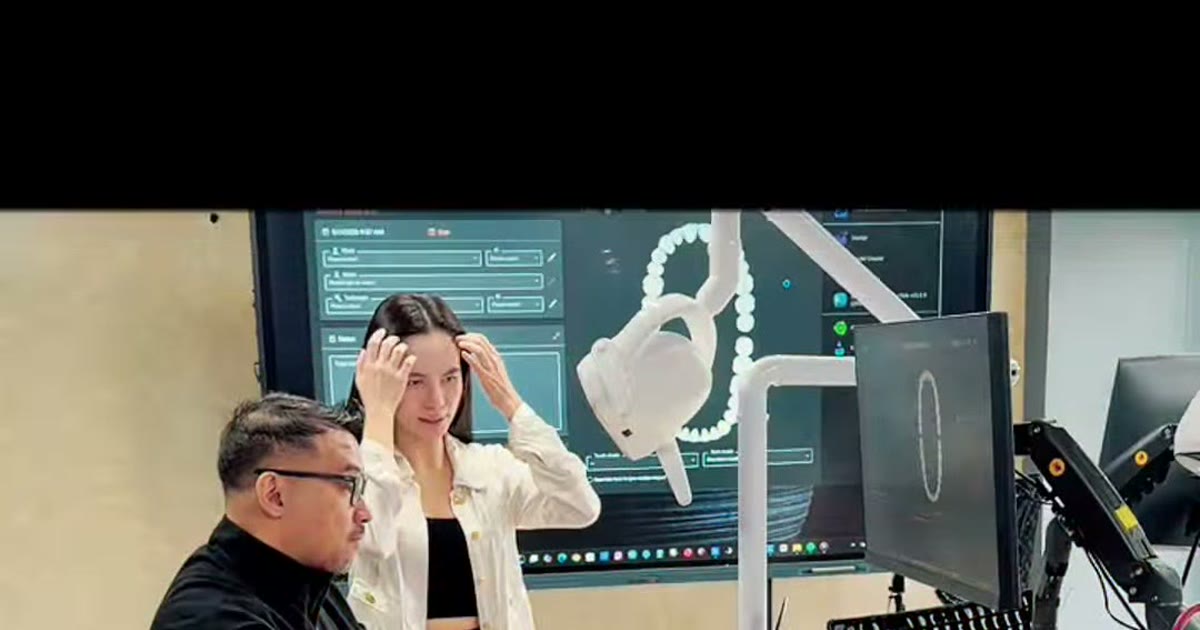 Facebook reelWatch the original with sound