The Session
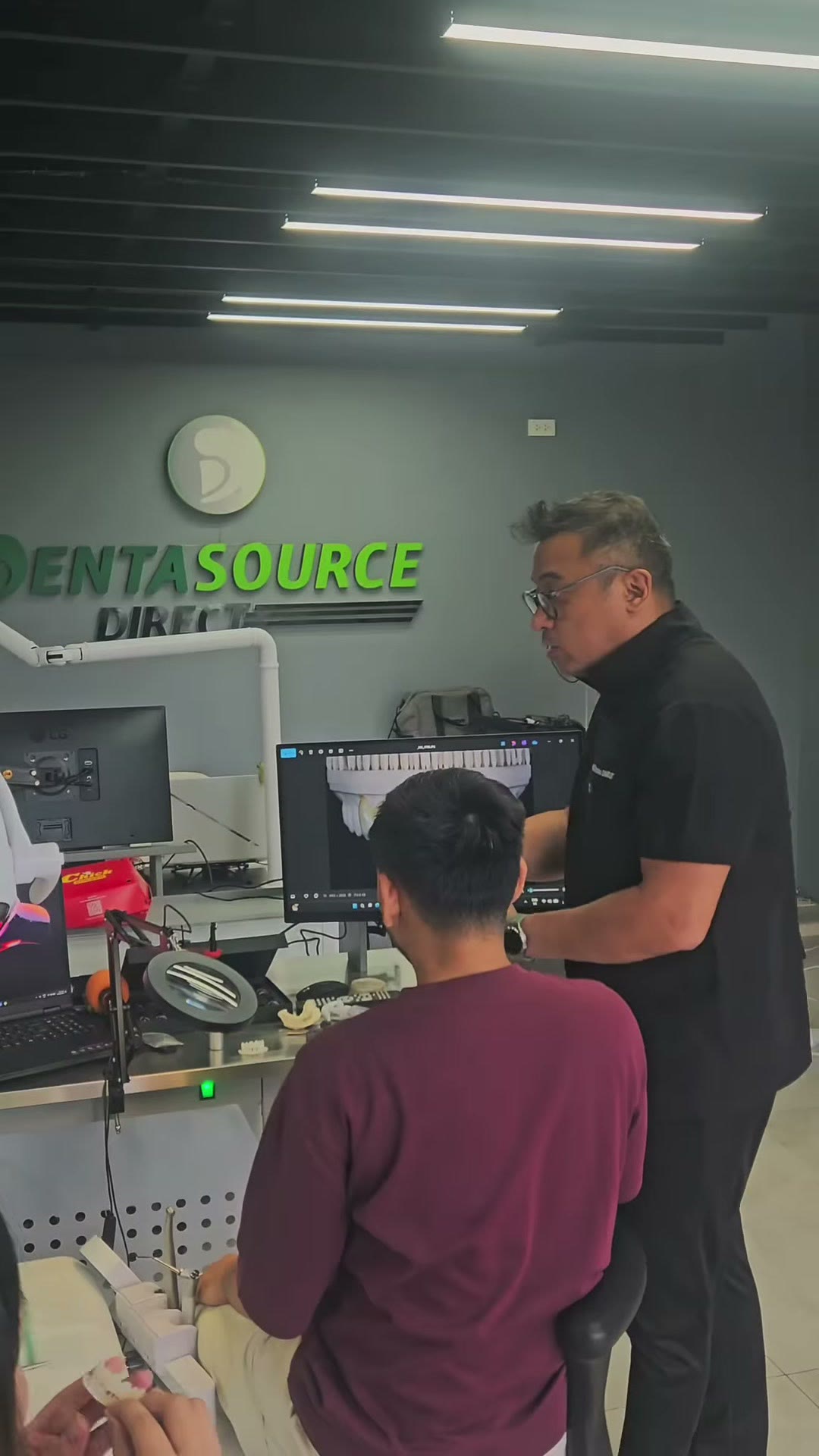
On May 17, 2026 the Crest Study Group ran a training day on digital shade matching and stain glazing at the DentaSource Direct Training Center in Pasig City. Both halves of the title deal with the same problem: getting a restoration to disappear next to the teeth beside it.
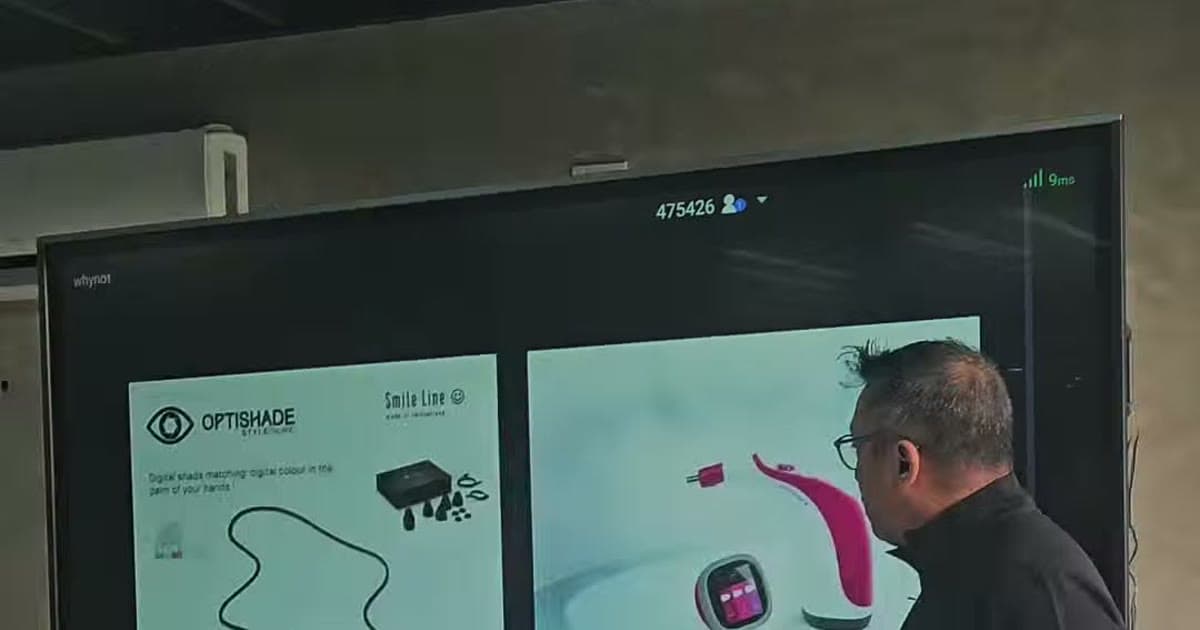
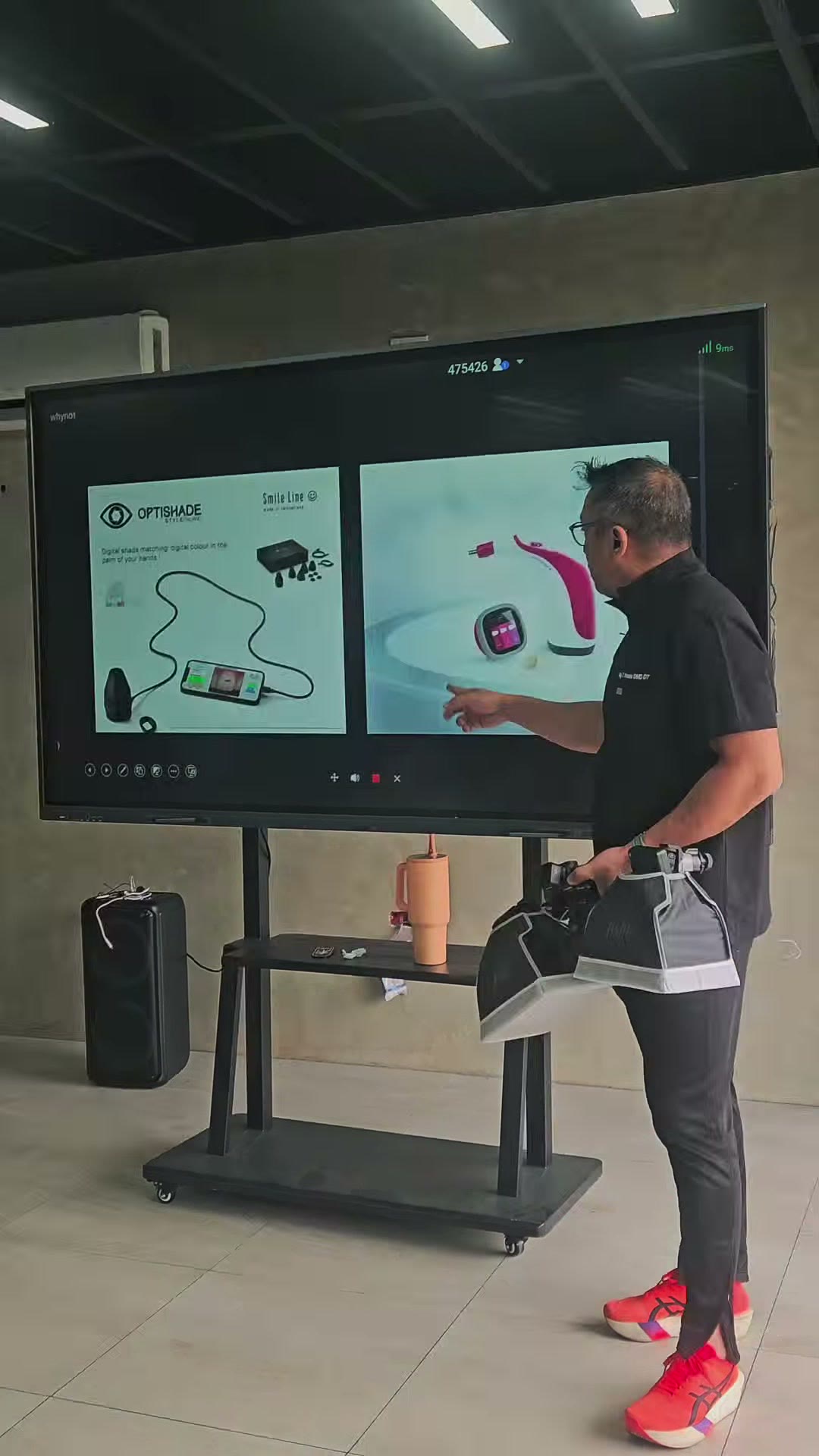
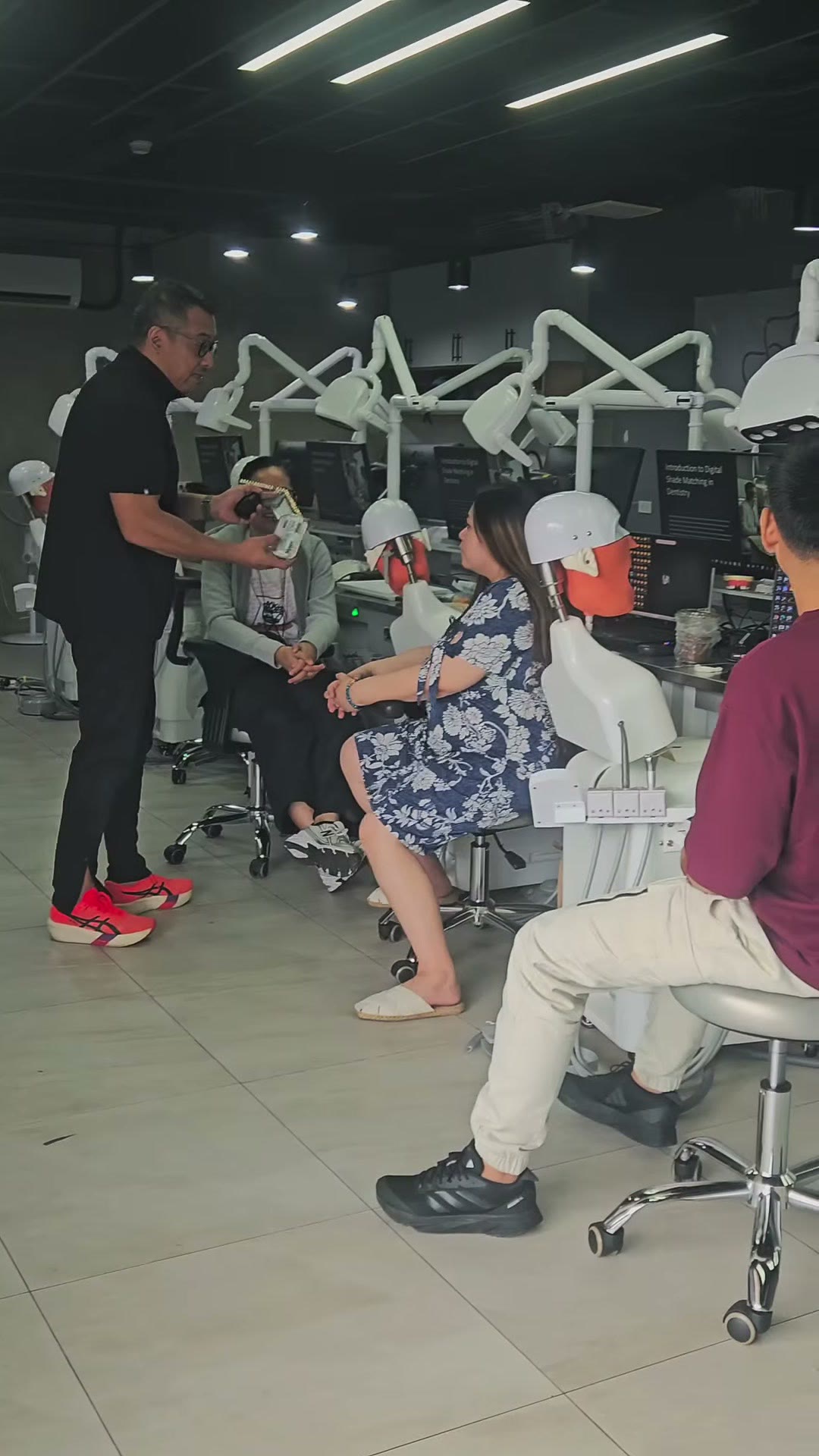
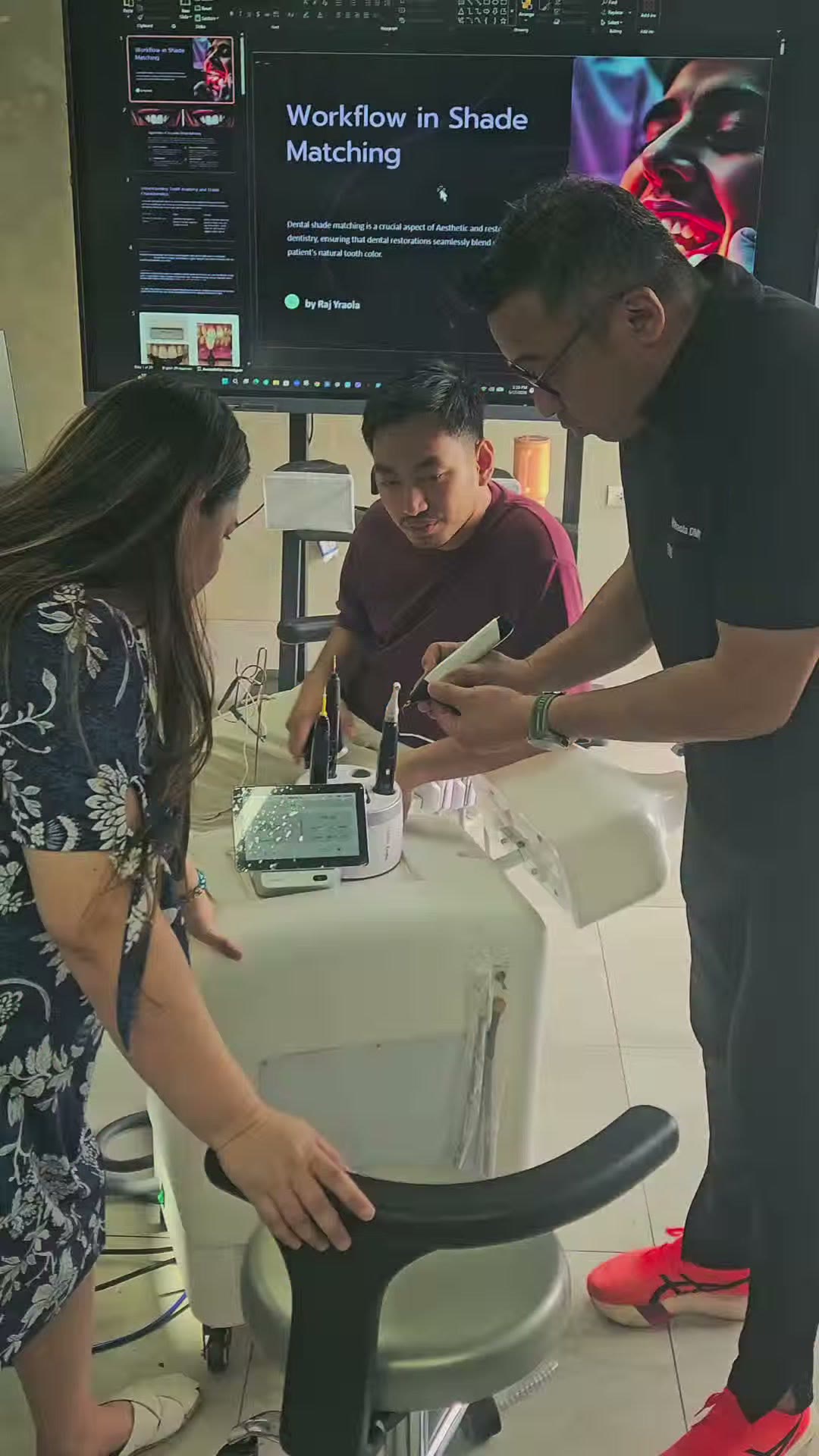
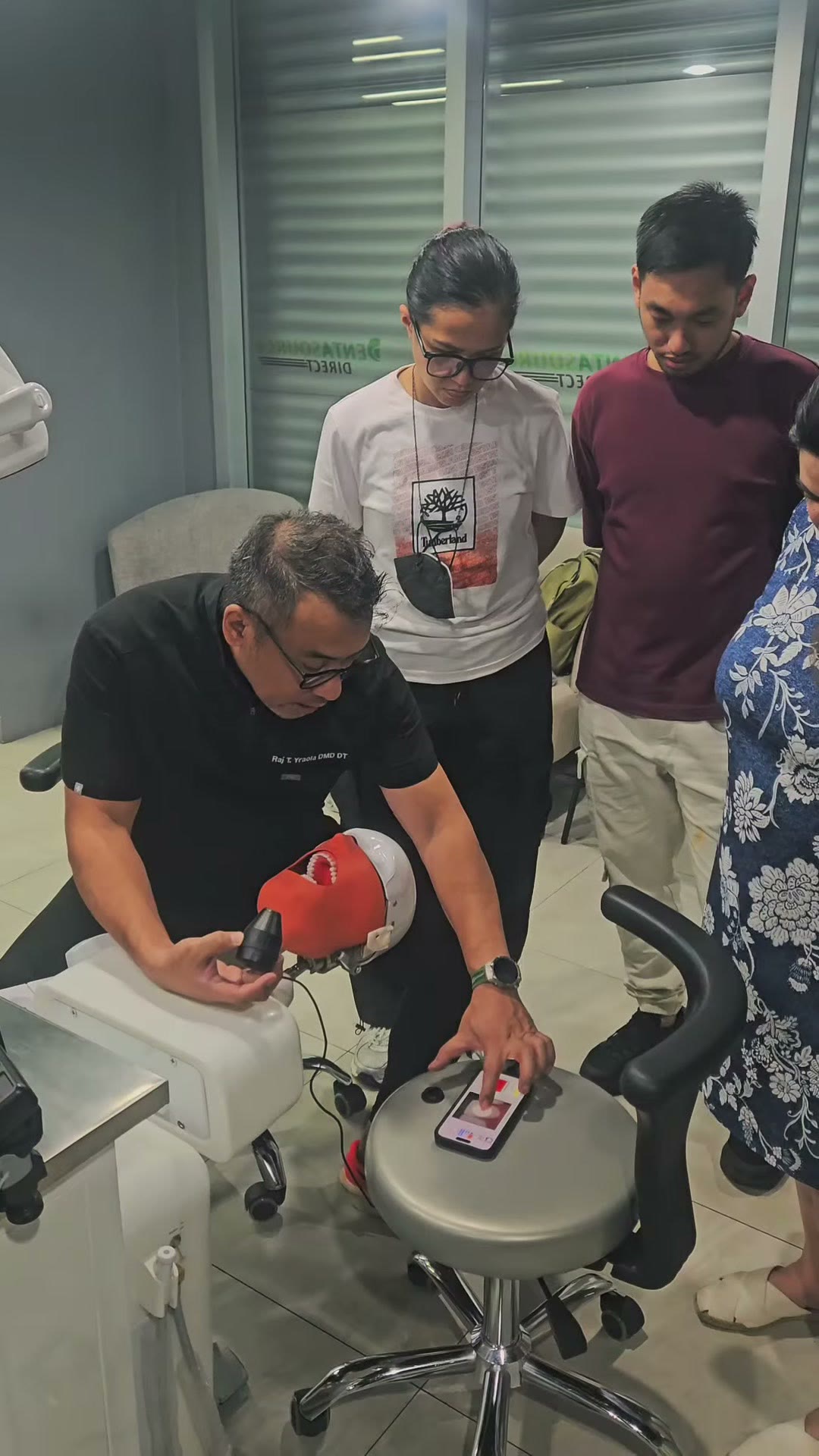
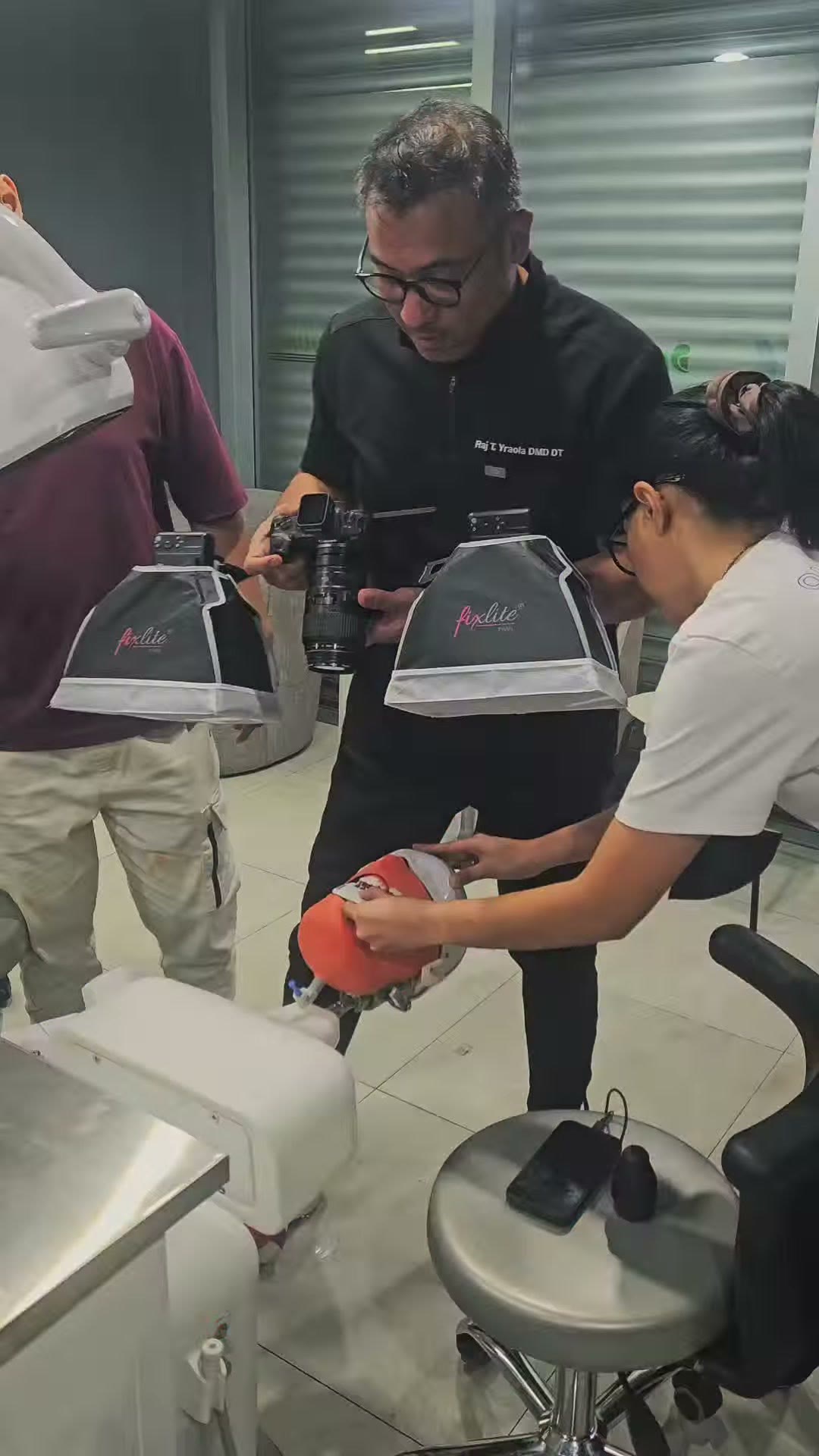
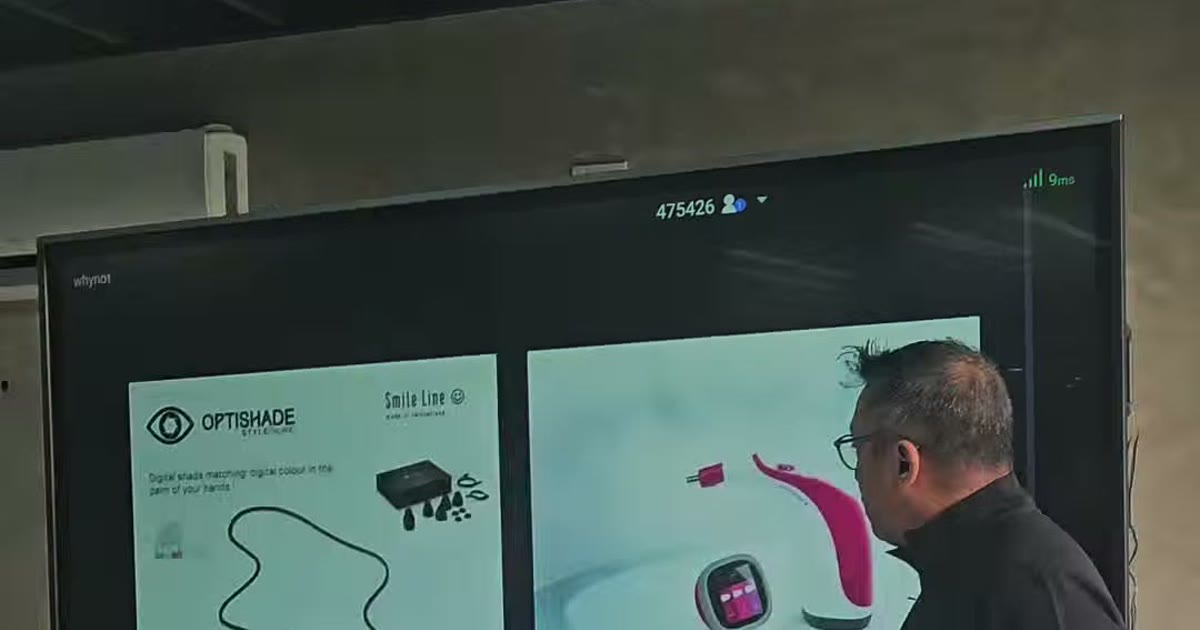
The room was set up for practice rather than lecture. Phantom heads on the benches, a shade matching device passing from hand to hand, and a large interactive screen at the front for the case images.
Why Shade Is Measured, Not Guessed
A shade tab held against a tooth under clinic lighting is still the most common way shade is chosen, and it is the least reliable. The result changes with the light in the room, with the time of day, with the colour of the wall behind the operator, and with the eye of whoever is holding the tab.
A digital shade matching device removes most of those variables. It reads the tooth under its own controlled light source and returns a value that can be written down, sent to the laboratory, and repeated at the next appointment. Two clinicians using the same device on the same tooth get the same answer, which is not true of two clinicians holding the same tab.
The session covered how the device is seated against the tooth, how many readings to take across a single surface, and how to interpret a result when the cervical, body and incisal thirds come back different, which they usually do.
Stain and Glaze
The second half moved to the artistry. Shade is only the base layer. A natural tooth carries surface texture, faint interproximal shadowing, mamelon translucency at the incisal edge, and the small discolourations that make a real tooth look real.
Stain and glaze is where those are put back. Thin characterising stains are applied to the restoration, then a glaze layer is fired over the top to seal them and give the surface its final lustre. Too little and the restoration reads as a flat block of colour. Too much and it draws the eye more than the tooth it was meant to replace.
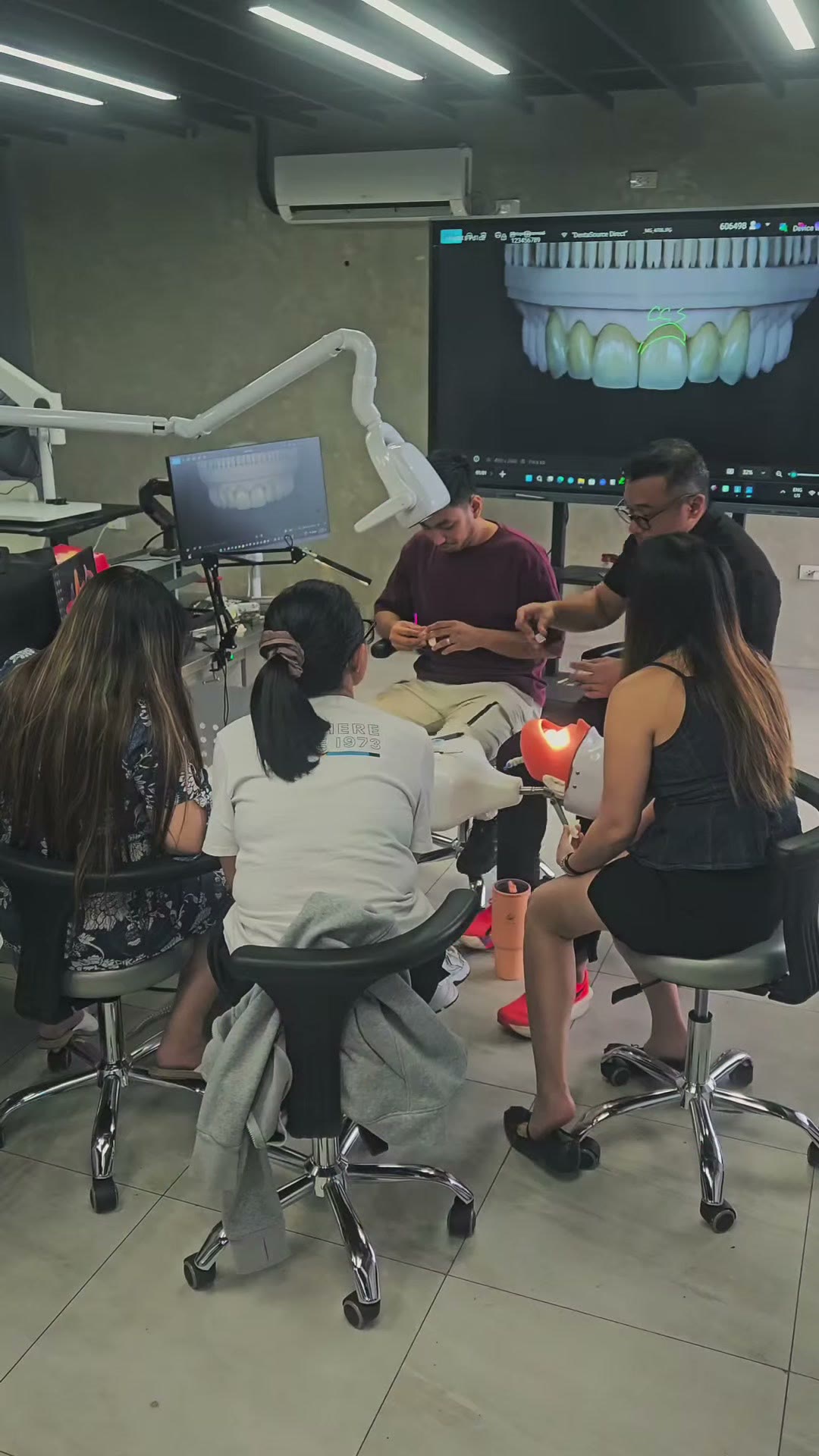
The trainees worked through the sequence themselves. Application is a matter of restraint, and restraint is difficult to teach from a slide.
Closing the Loop on Screen
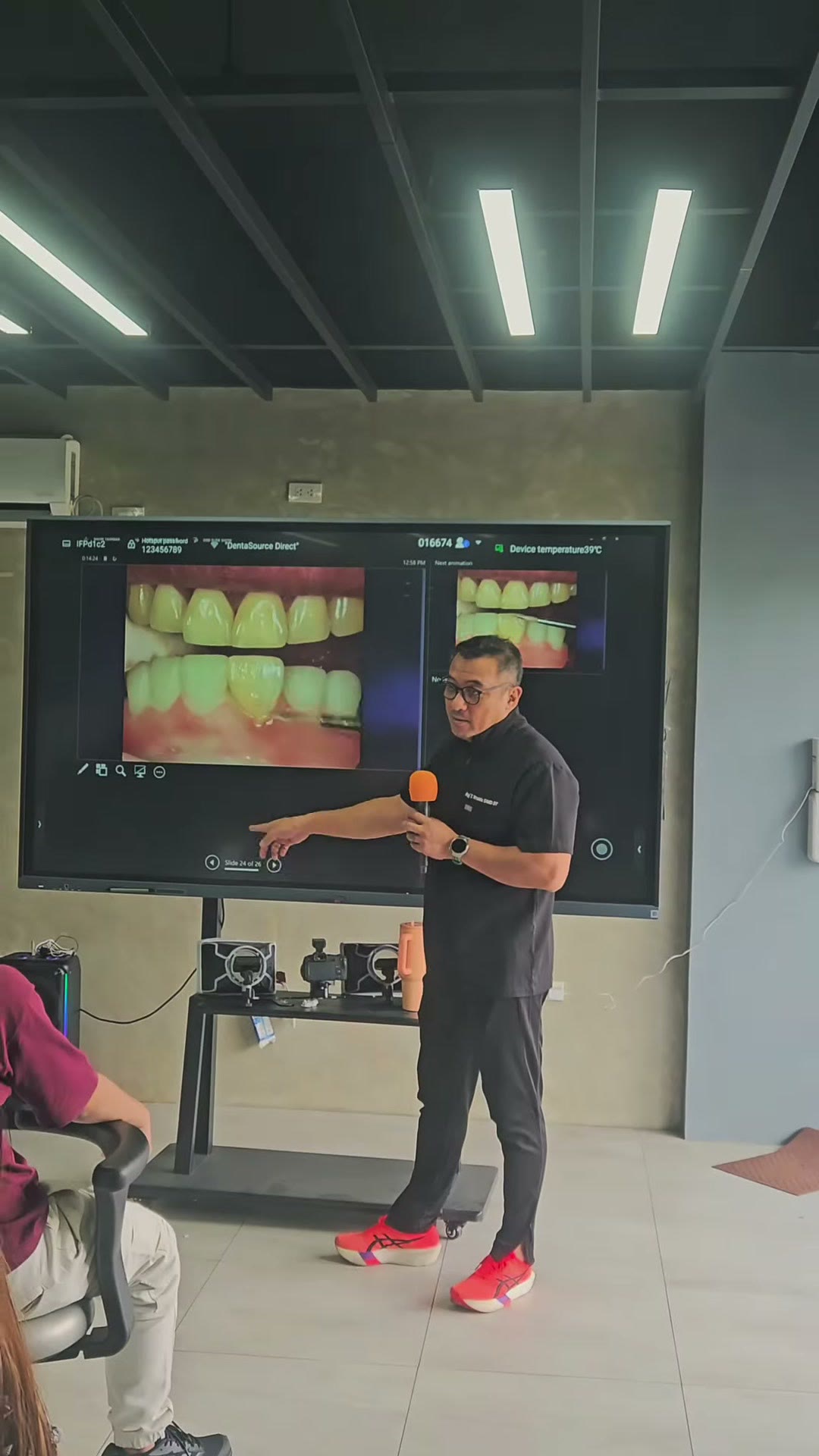
The day ended back at the screen with the digital smile design and the case photographs. That is deliberate. A shade reading and a glaze firing are only worth anything if they land inside a plan that was made before any preparation was cut.
Seeing the intraoral photographs, the design and the finished characterisation in one sitting is what turns three separate skills into one workflow.
Why It Matters for a Clinic
Remakes are the quietest cost in esthetic dentistry. A crown that comes back because the shade is a step off is a lost chair slot, a second laboratory fee, and a patient who now watches the next attempt more closely.
Measuring the shade instead of estimating it, and finishing the surface properly, is the cheapest way to reduce that. The equipment involved is modest compared with what a single week of remakes costs.
Training sessions with the Crest Study Group run through the year at Units 307 and 308, 3rd Floor, Mercedes Square Plaza, Mercedes Avenue corner Luis Street, San Miguel, Pasig City. Slots are limited by the number of benches in the room.
From Our Facebook Page
Written from our post of May 17, 2026.
 Facebook reelWatch the original with sound