The Session
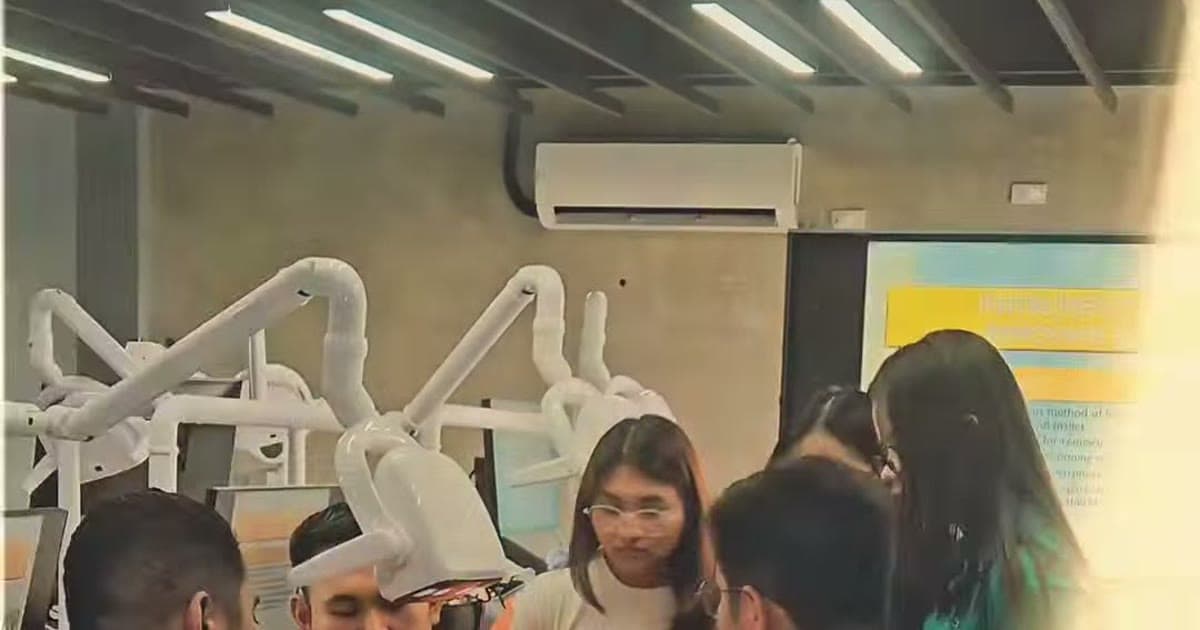
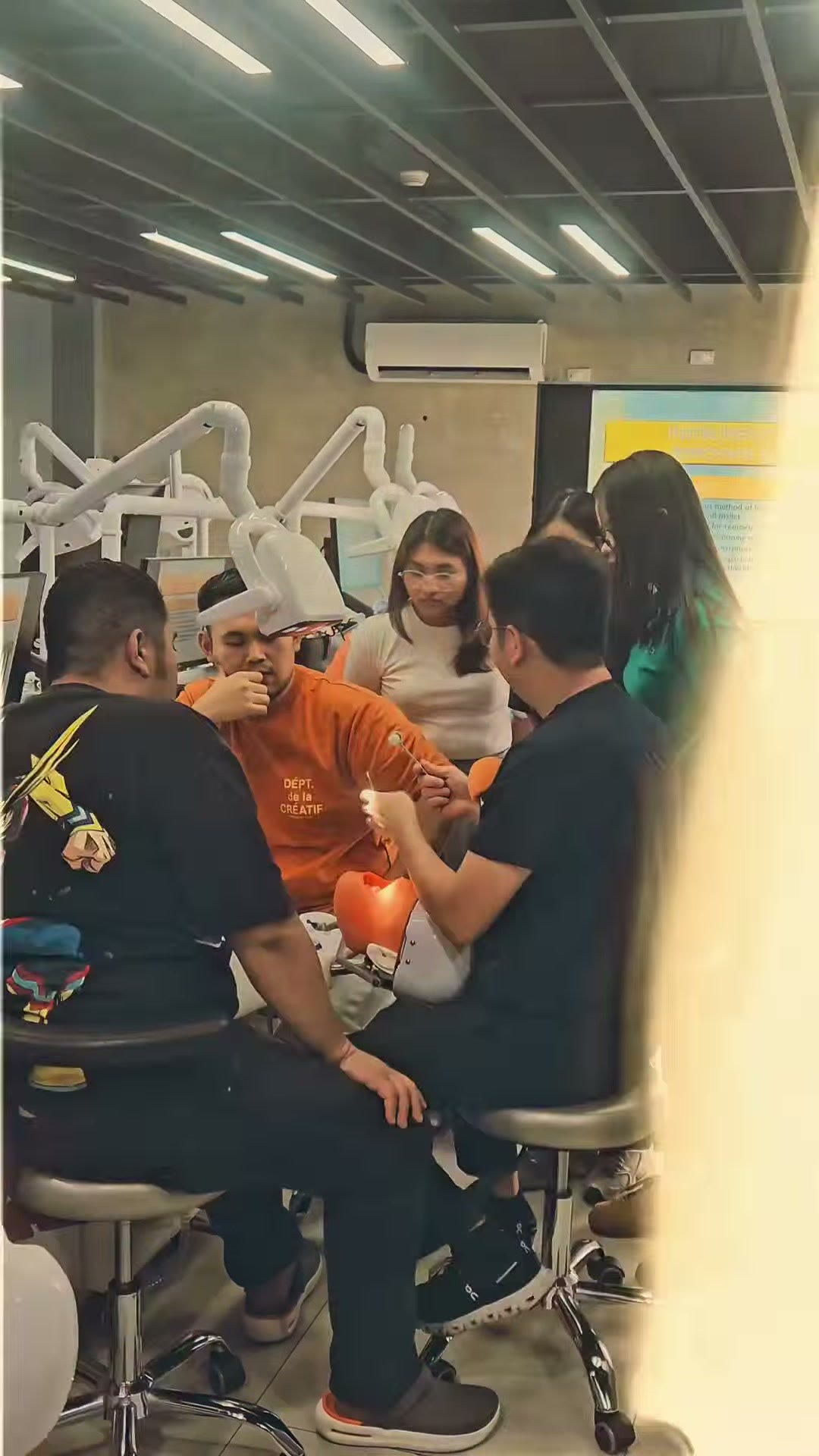
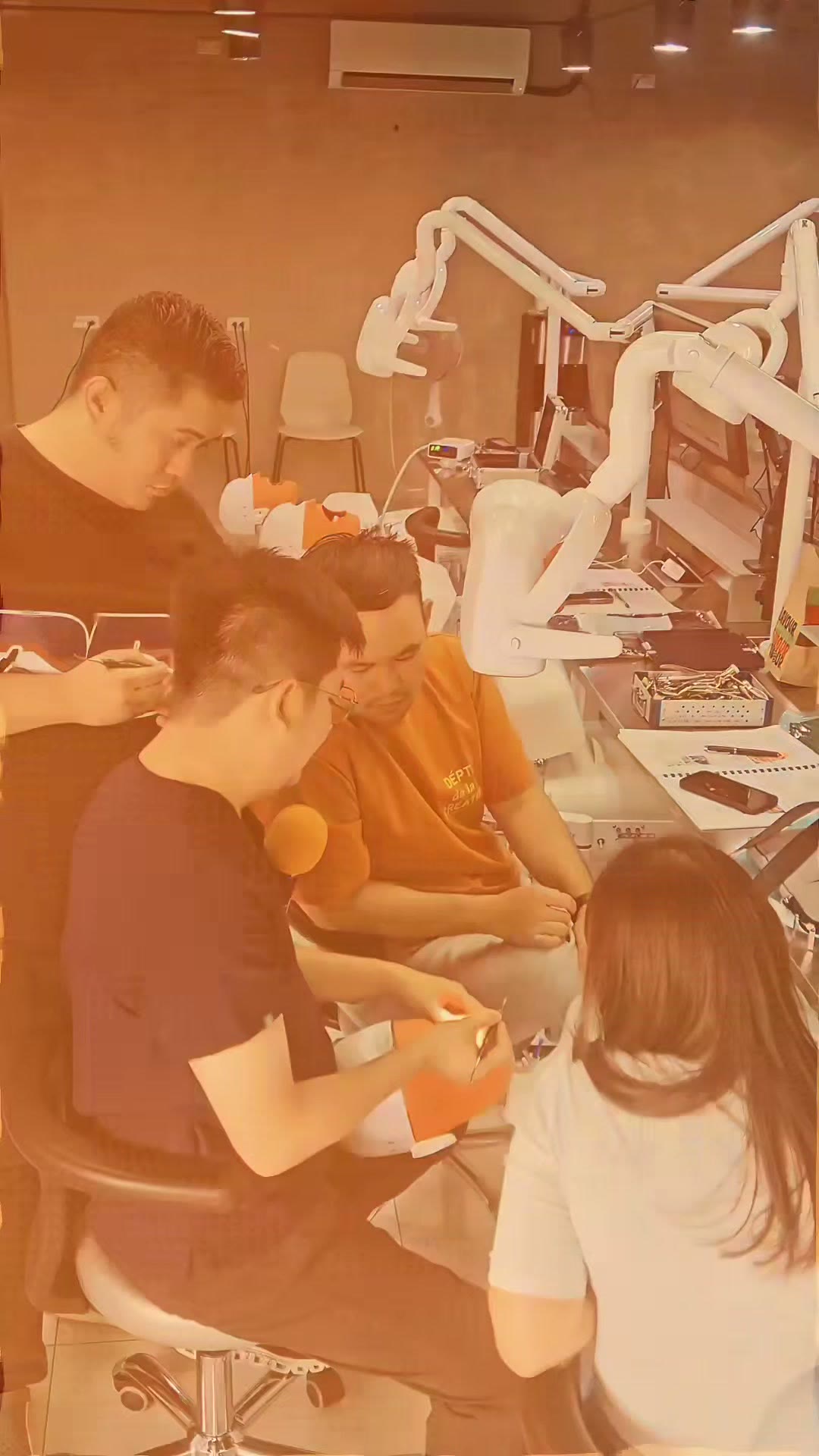
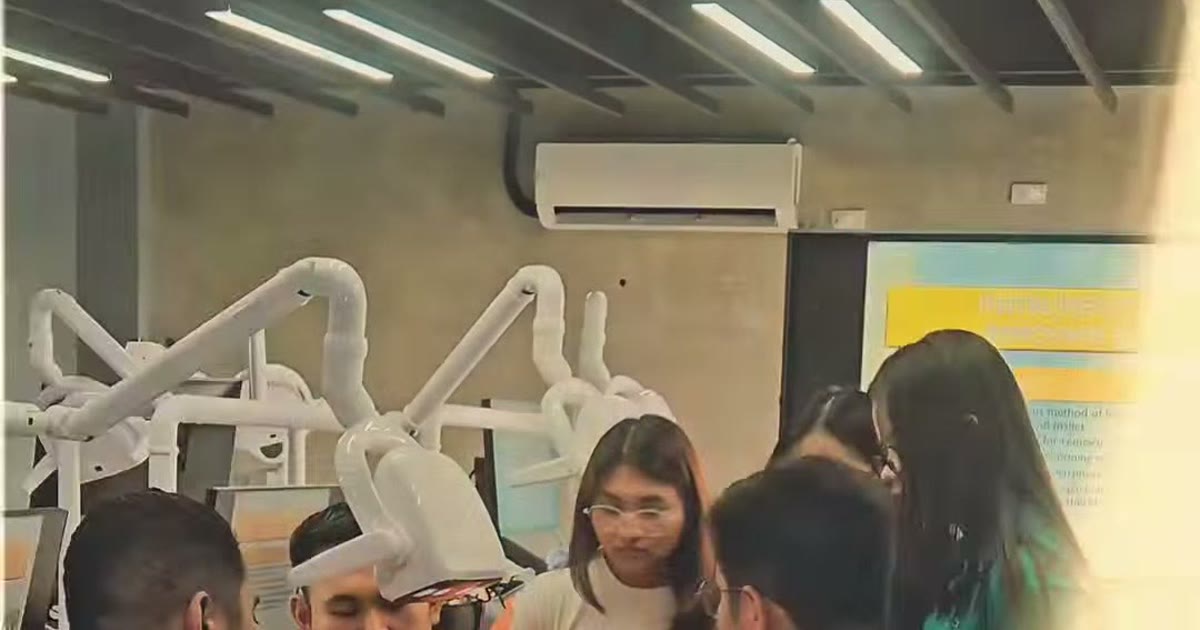
On May 19, 2026 Dr. Pocholo Loleng of the Crest Study Group ran a hands on training day at the DentaSource Direct Training Center in Pasig City. The subject was armamentarium and instrumentation, and the management of impacted teeth.
The two halves belong together. Impacted tooth surgery goes wrong more often through a poorly laid out tray than through a poorly planned flap.
Armamentarium: The Tray Before the Case
Armamentarium simply means the set of instruments assembled for a procedure, and the order they are laid out in. It sounds like housekeeping. In surgery it is the difference between a clean forty minutes and an hour of reaching.
The session covered which elevators and luxators belong on the tray for which impaction, how handpieces and burs are selected for bone removal and sectioning, how suction and retraction are positioned so the assistant is not fighting the operator, and how the tray is arranged so that the next instrument is always where the hand expects it.
Instrument selection was taught alongside handling. An elevator used at the wrong angle transmits force to the wrong place, and the operator learns that from feel rather than from a diagram.
Managing the Impacted Tooth
The clinical half worked through the sequence: reading the radiograph and deciding what is actually in the way, planning the flap, removing only the bone that has to go, sectioning the tooth where sectioning saves bone, delivering the segments, and closing.
Impacted teeth punish improvisation. The angle of impaction, the proximity of the inferior alveolar canal, the thickness of the overlying bone and the shape of the roots all have to be settled before the first incision. A case that has been read properly is usually short. A case that has not been read properly is usually long, and the difference is decided before the patient sits down.
Trainees worked on phantom heads, which allows the same step to be repeated until the hand knows it without the pressure of a live patient in the chair.
Under the Microscope
Part of the day ran at the surgical microscope. Magnification is more often associated with endodontics, but it changes surgical work too. Sectioning lines, the state of the bone at the margin, and the moment a segment loosens are all easier to judge under magnification and light than under a loupe and an overhead lamp.
Trainees took turns at the eyepieces so that the view being described at the front of the room was a view they had actually seen.
Why It Matters for a Clinic
Many general practices refer impactions out. That is a reasonable decision, and it is also a decision worth revisiting periodically, because every referred case is revenue and continuity that leaves the practice.
A dentist who is confident with the tray, the sequence and the limits of a case can keep the straightforward impactions in house and refer the genuinely difficult ones with a clearer idea of why. Knowing where your own line sits is the practical outcome of a day like this.
The Training Center is at Units 307 and 308, 3rd Floor, Mercedes Square Plaza, Mercedes Avenue corner Luis Street, San Miguel, Pasig City. Sessions with the Crest Study Group run through the year and seats are limited by the number of simulators in the room.
From Our Facebook Page
Written from our post of May 19, 2026.
 Facebook reelWatch the original with sound