The Course
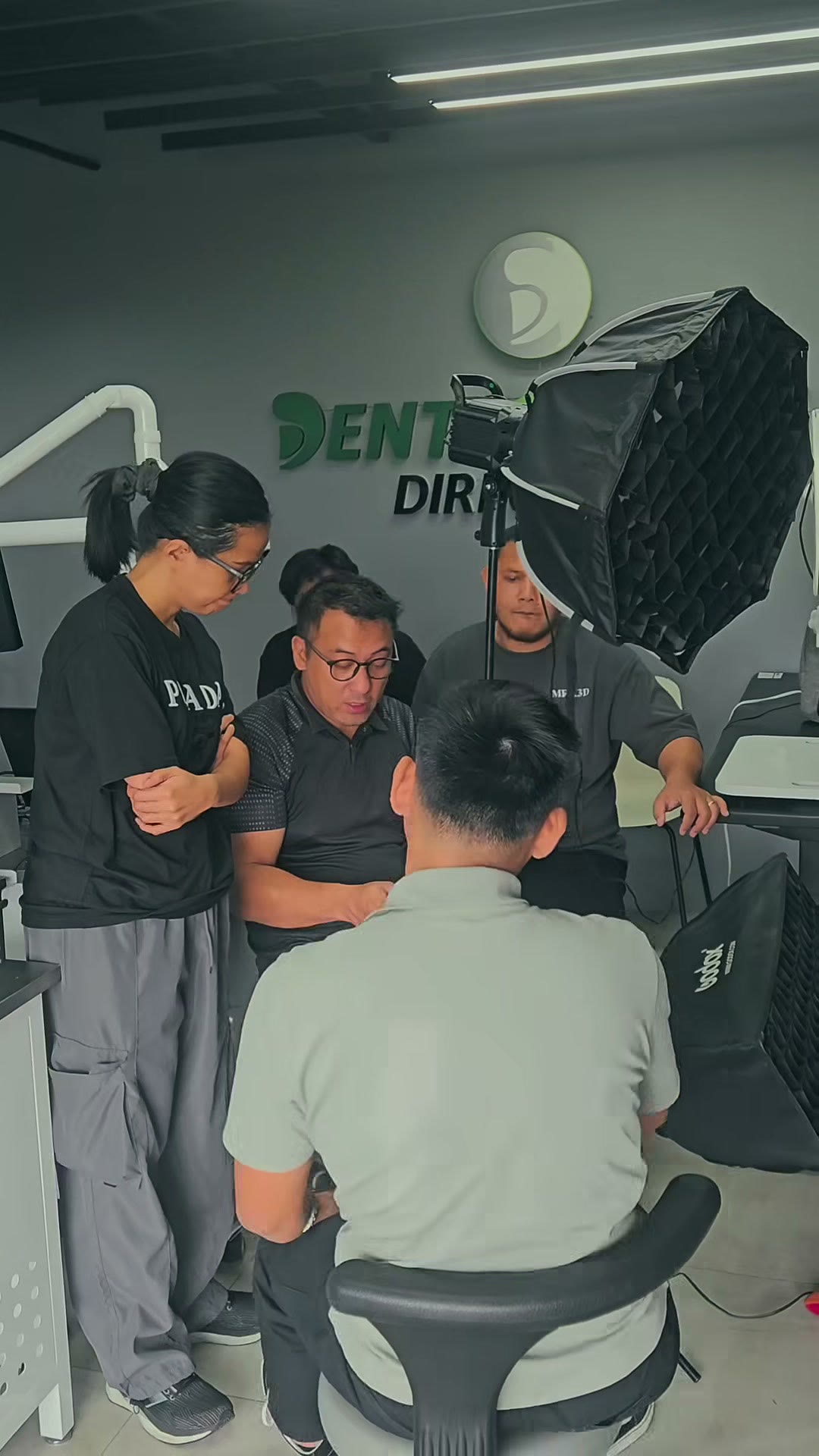
On May 24, 2026 the Crest Study Group opened an advanced course on smile design and digital crown lengthening at the DentaSource Direct Training Center in Pasig City. Two weeks later, on June 8, the same group came back for a live surgical demonstration of the procedure they had been planning.
Taken together the two days show the whole arc: the photograph, the design, the plan, and then the scalpel.
Day One: The Photograph
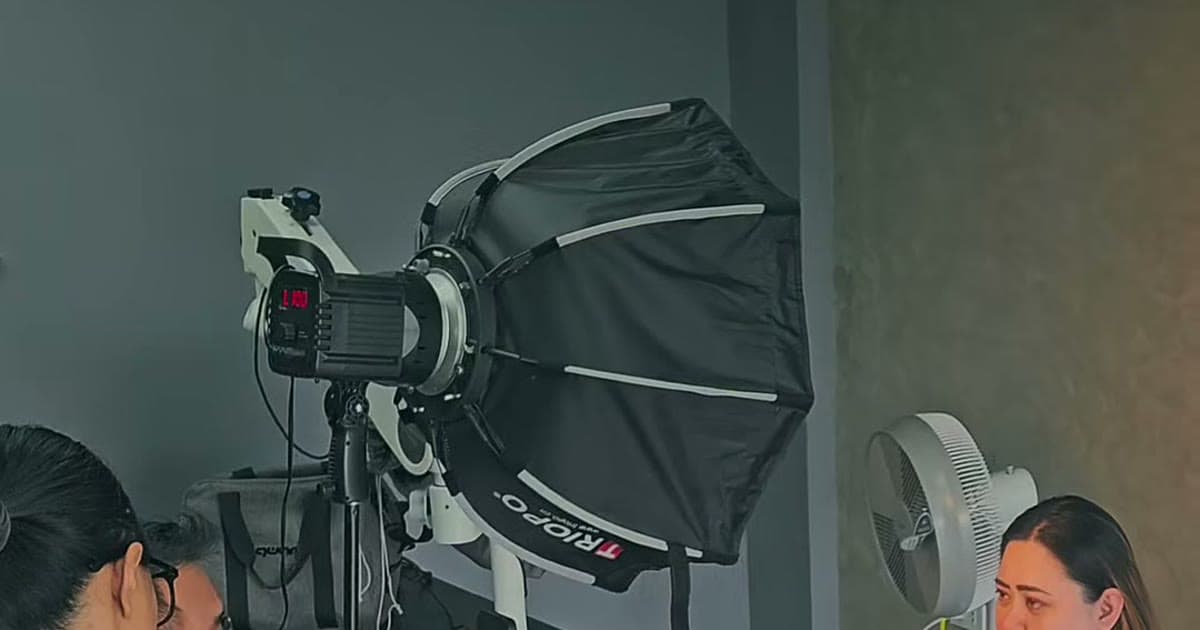
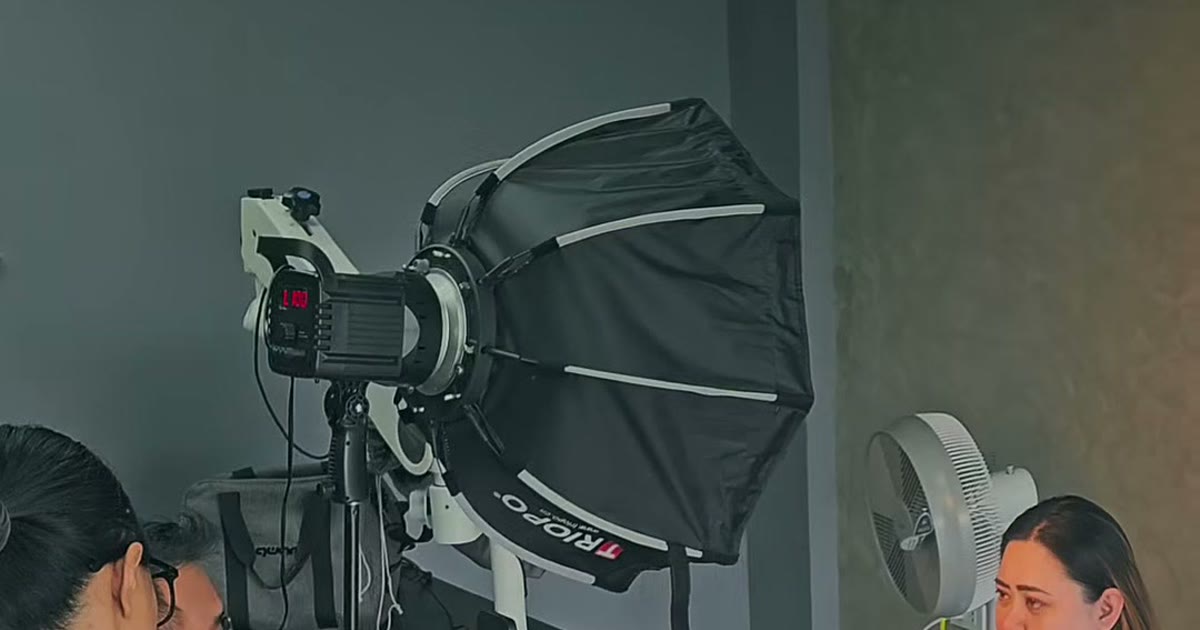
The course opened where every smile design opens, with a camera. A volunteer sat under a softbox light while the group worked through positioning, framing and the reference lines that make one portrait comparable with the next.
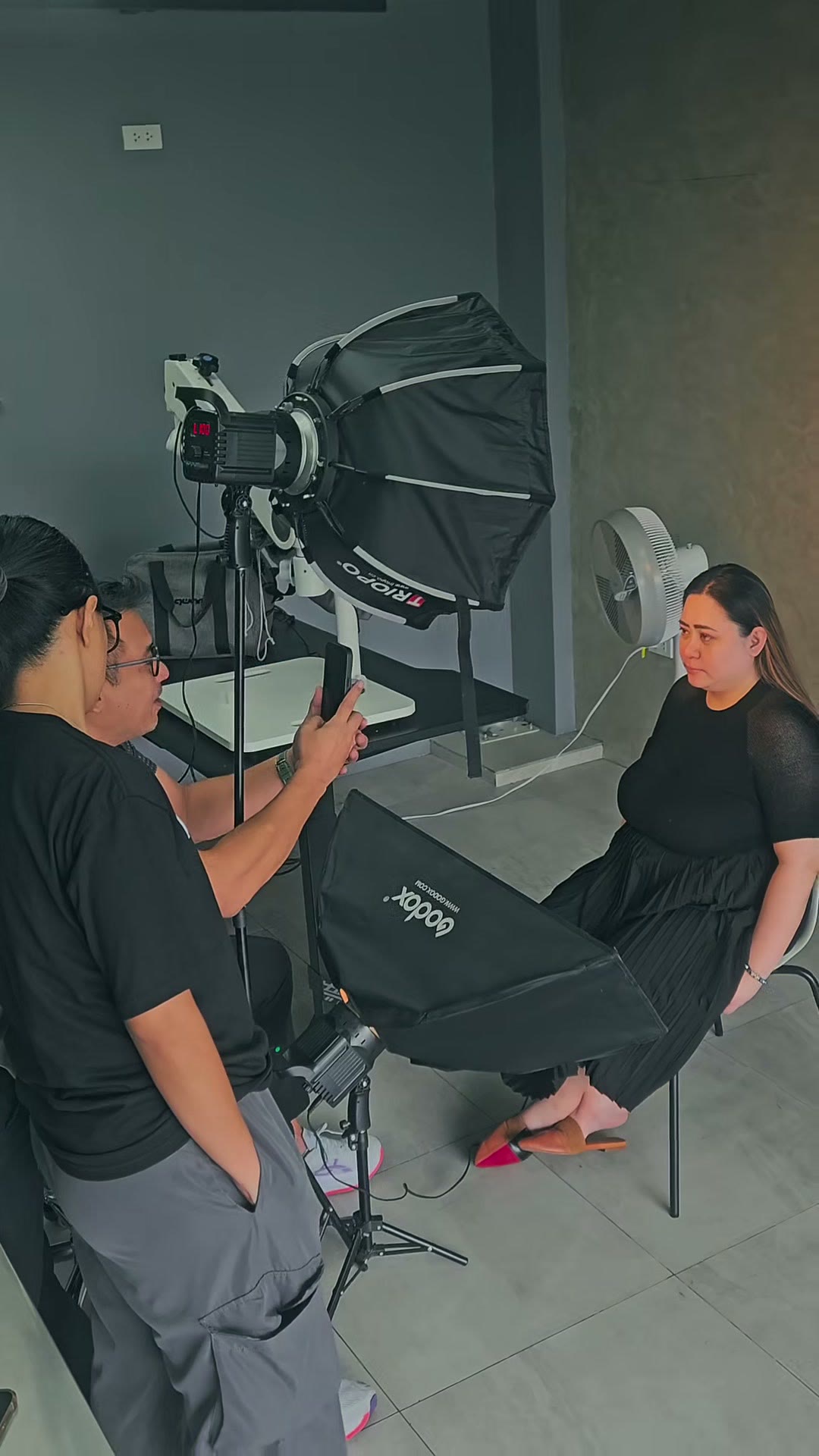
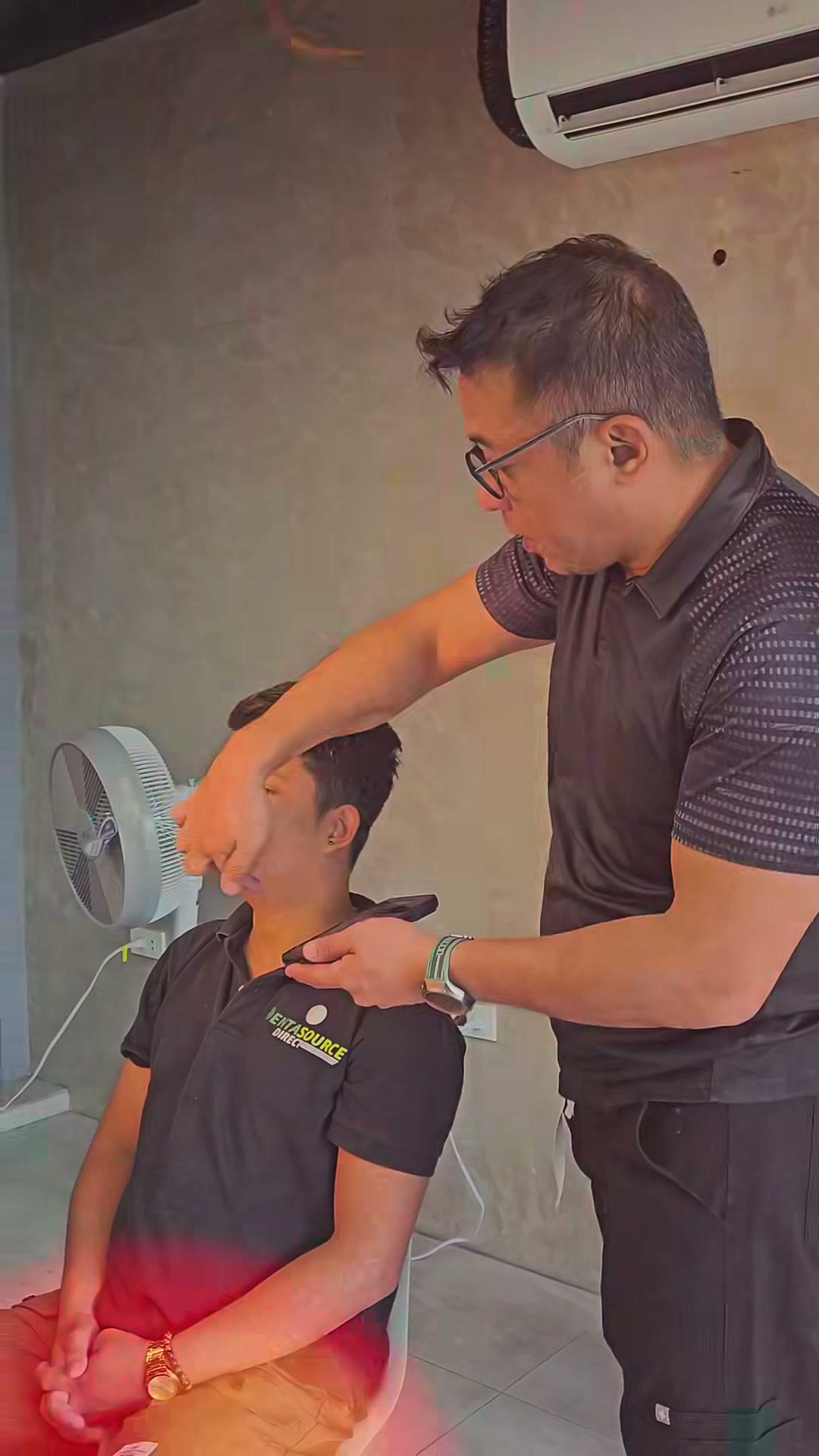
Photography is treated as a technical step rather than a nicety because the design is built on top of it. A portrait shot with the head tipped a few degrees off gives a midline that is wrong by the same few degrees, and every proportion drawn afterwards inherits the error.
Designing on Screen
With the photographs taken, the work moved to the screen. The portrait was placed beside a 3D scan so that the face and the arch could be read together rather than separately.
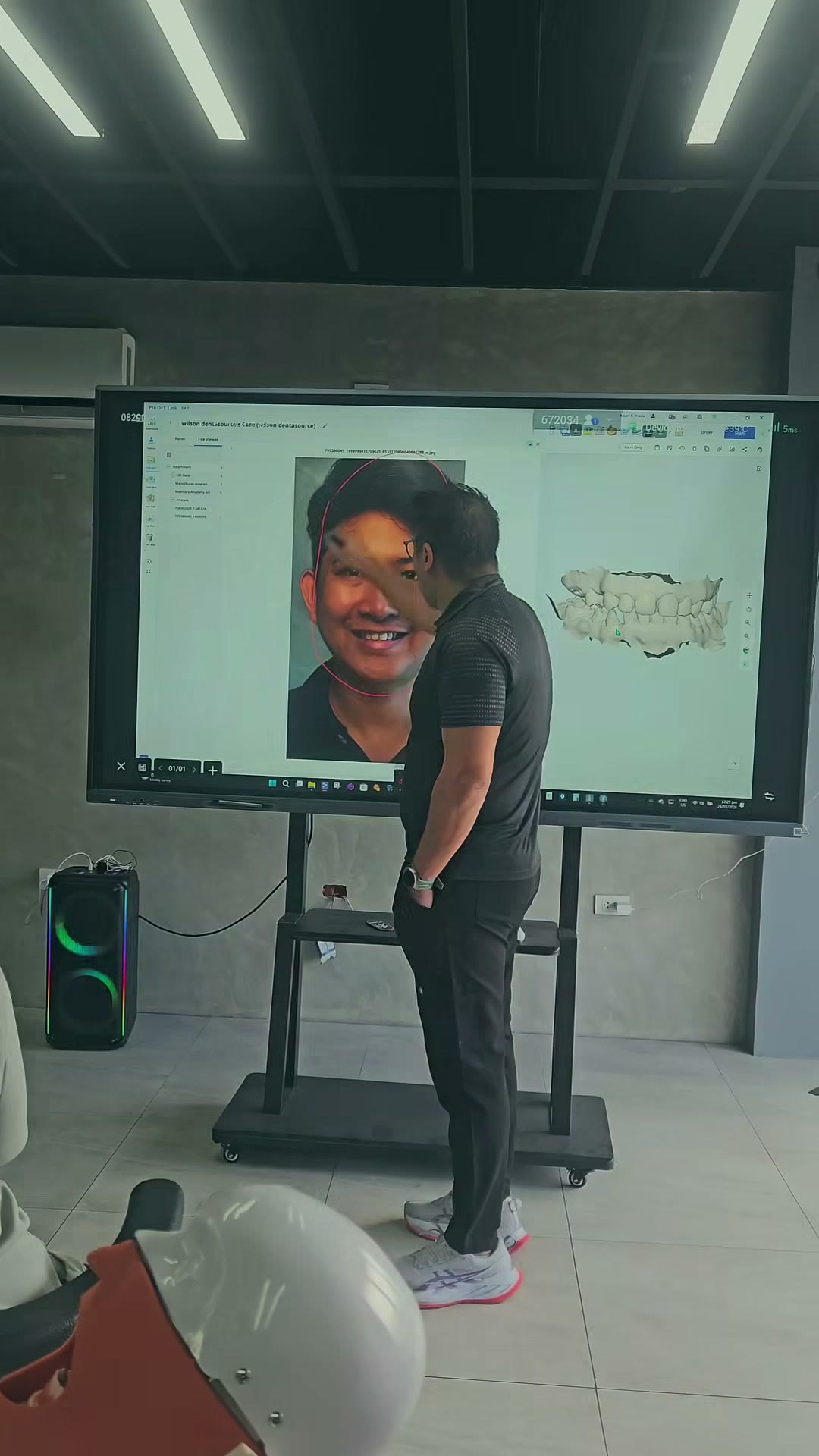
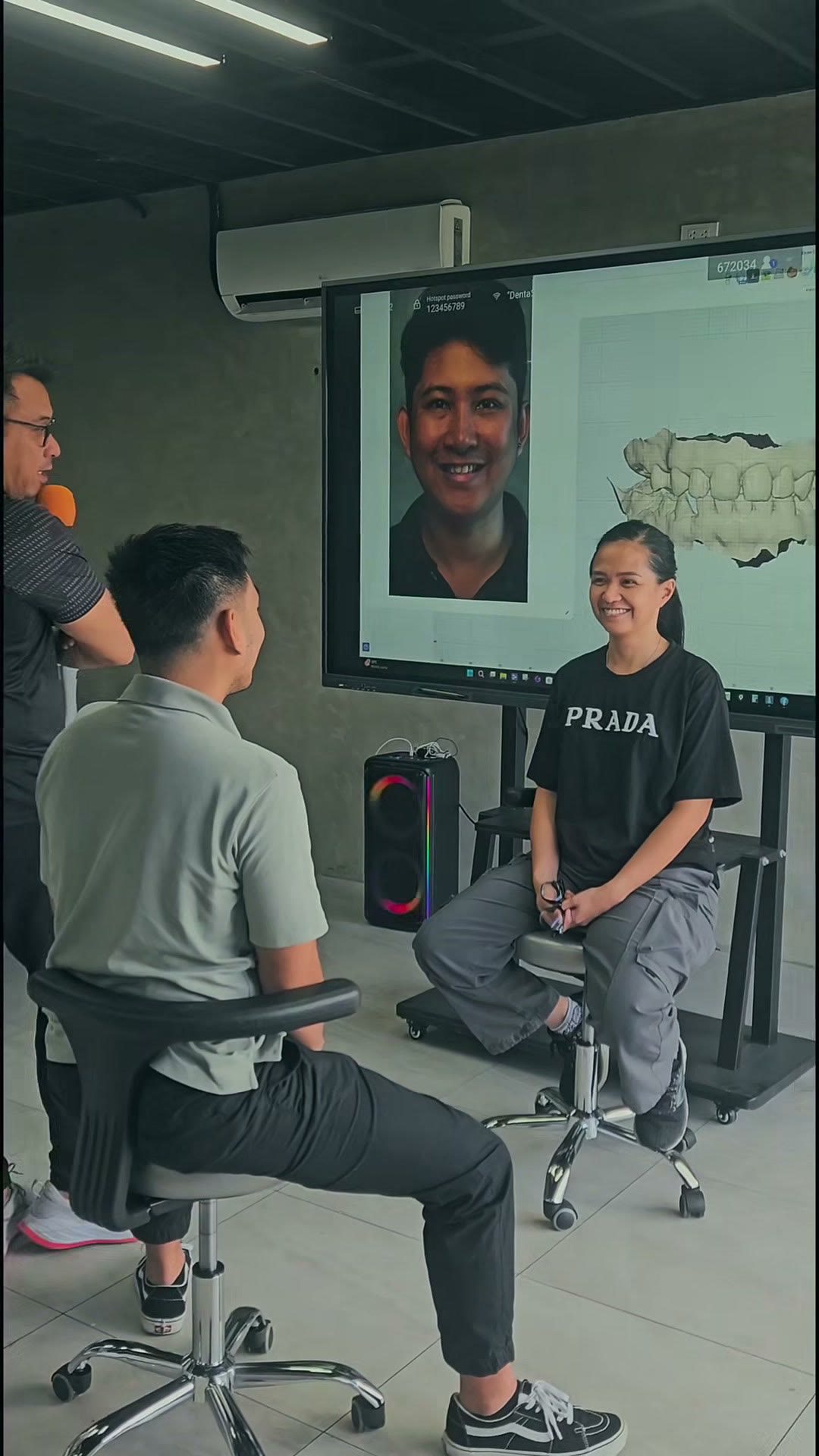
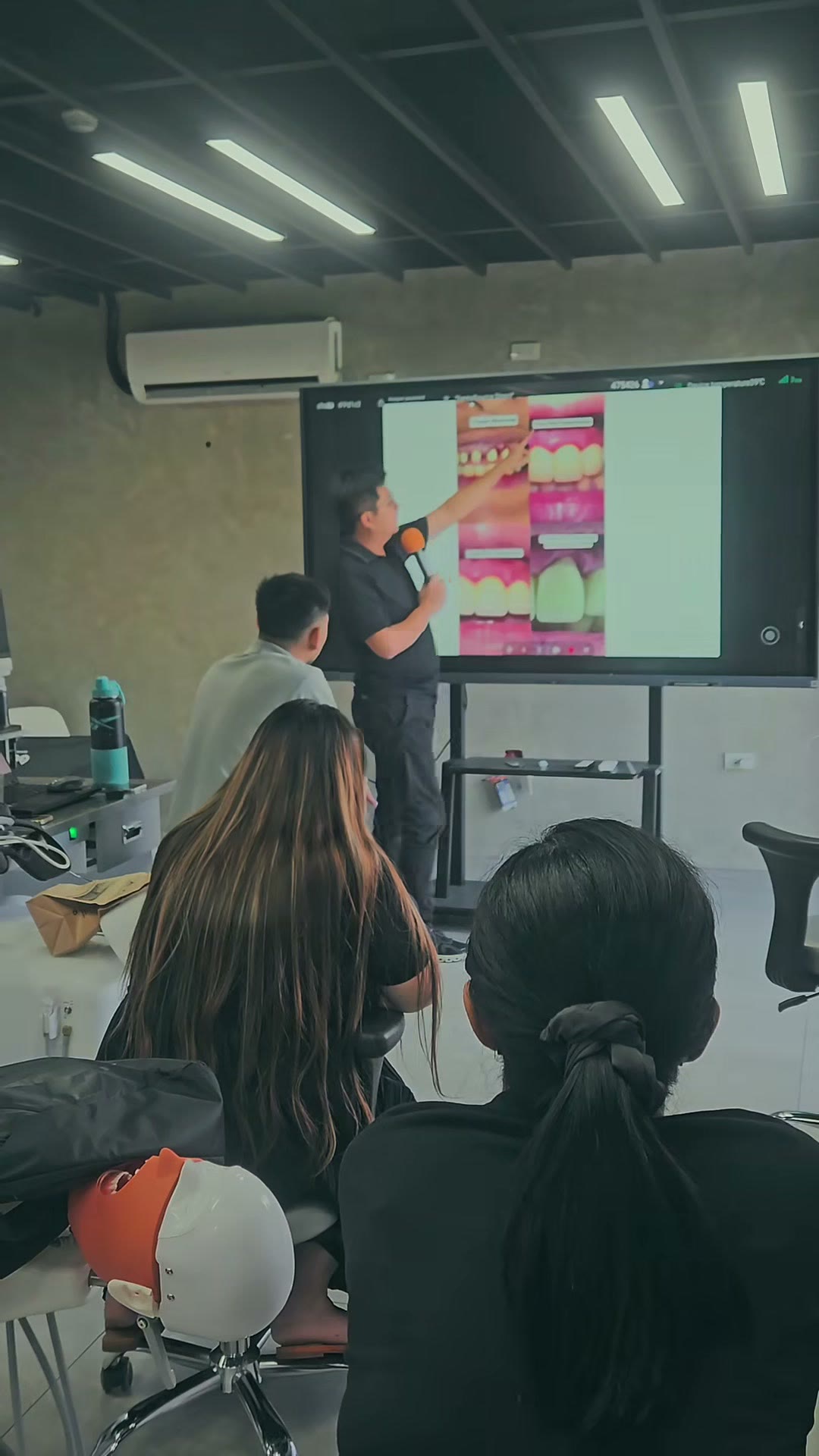
Digital smile design is essentially a set of proportions drawn over a real face: the midline, the incisal plane, tooth width ratios, and the line the gums follow across the front teeth. Once those are drawn, the gap between what the patient has and what the plan asks for becomes measurable instead of a matter of opinion.
That gap is often gingival rather than dental. A tooth that looks short is frequently a normal tooth with too much gum over it, and no amount of ceramic fixes that.
Why Crown Lengthening Is Guided
Crown lengthening moves the gingival margin, and where necessary the bone underneath it, so that more of the tooth is exposed and the proportions of the smile come right.
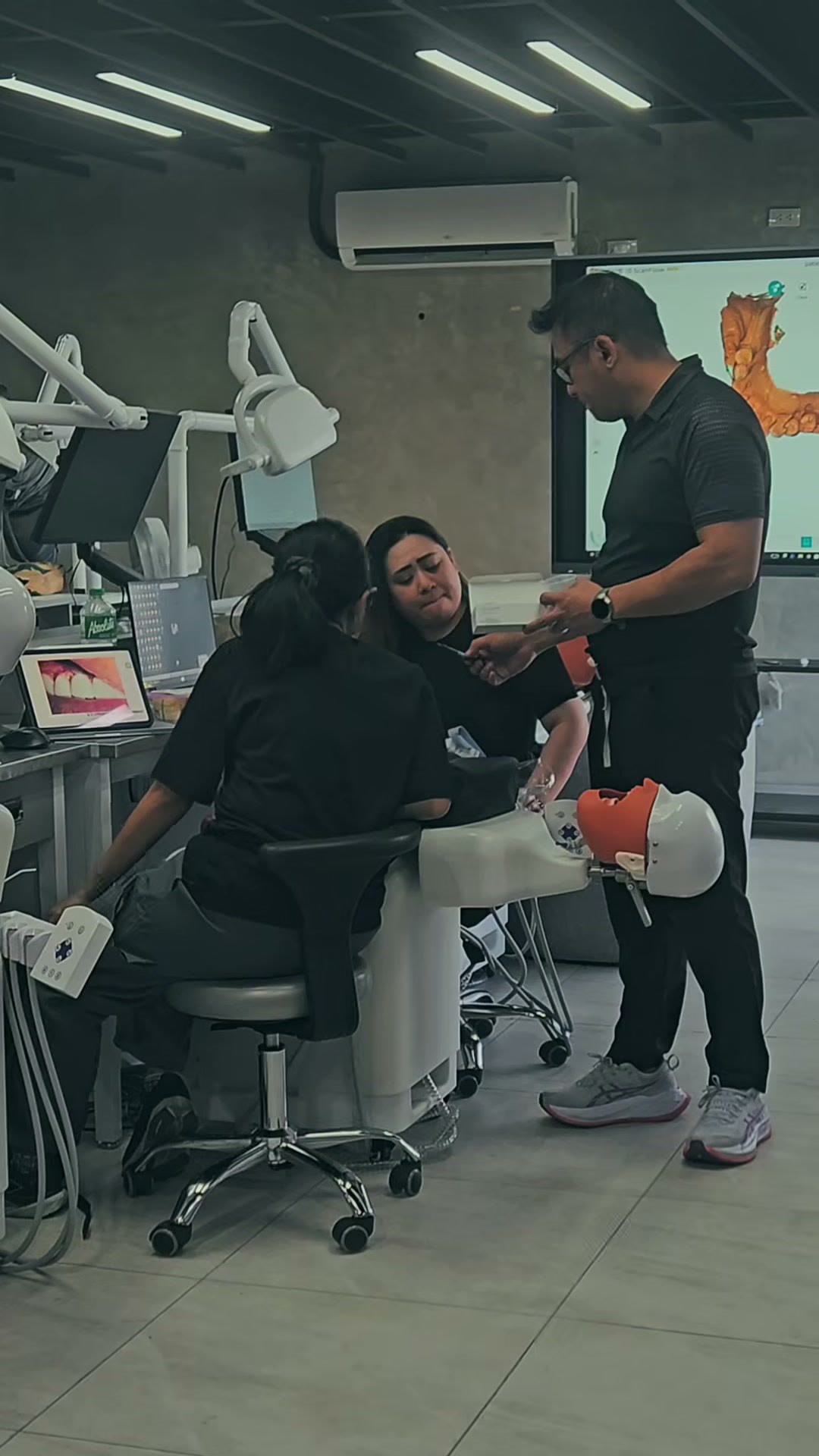
Done freehand it is a judgement made with a scalpel in the mouth. Done guided, the position is decided beforehand on the design and transferred to the patient with a surgical guide, so the incision follows a line that was planned against the face rather than estimated against the tissue.
The difference shows up in symmetry. The eye is unforgiving about gum levels that do not match across the midline, and a millimetre is visible.
June 8: The Live Demonstration
On June 8 the group returned for the live surgical demonstration of guided crown lengthening for esthetic rehabilitation. Participants followed the complete workflow, from case evaluation and treatment planning through to the procedure itself.
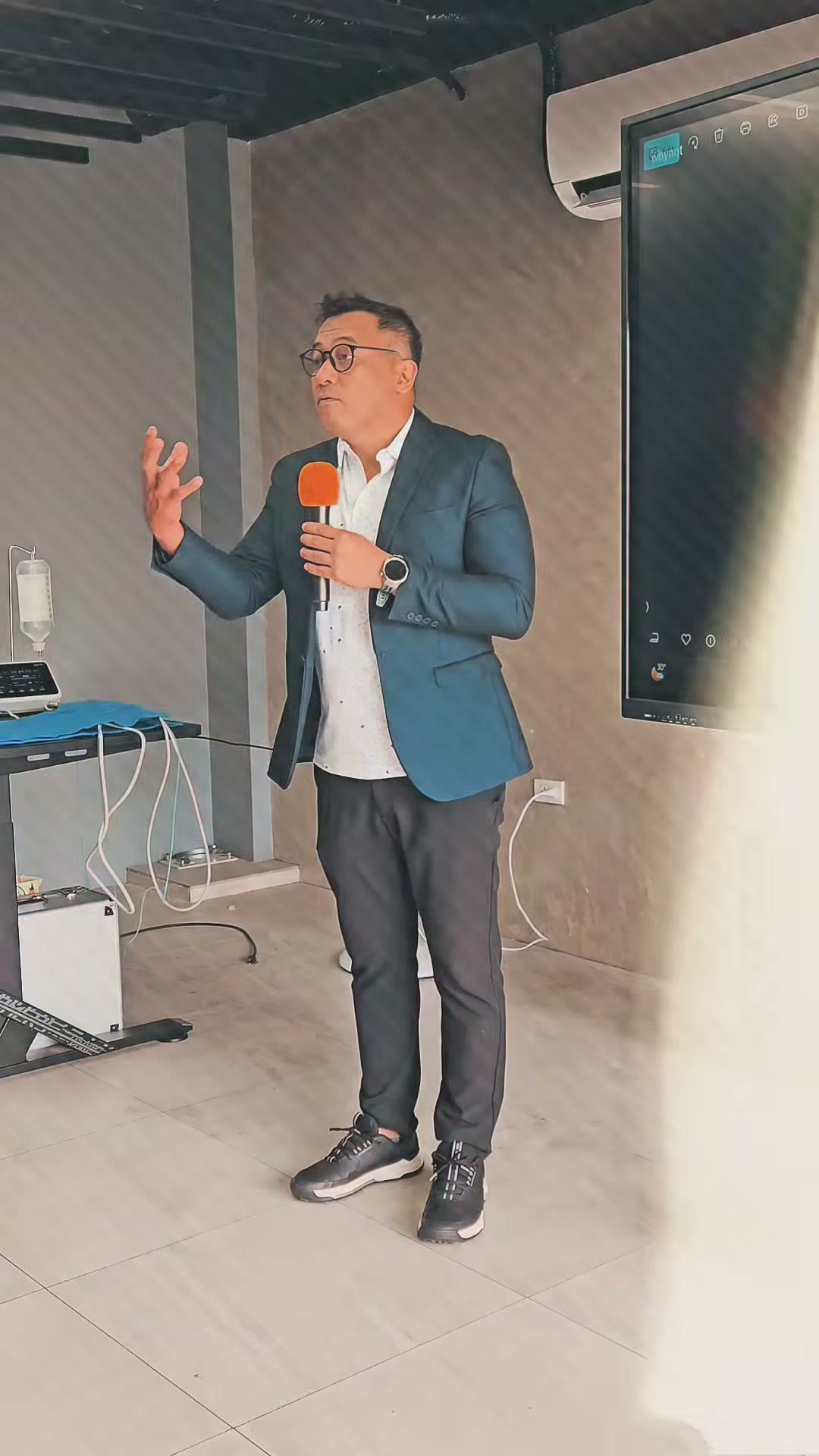
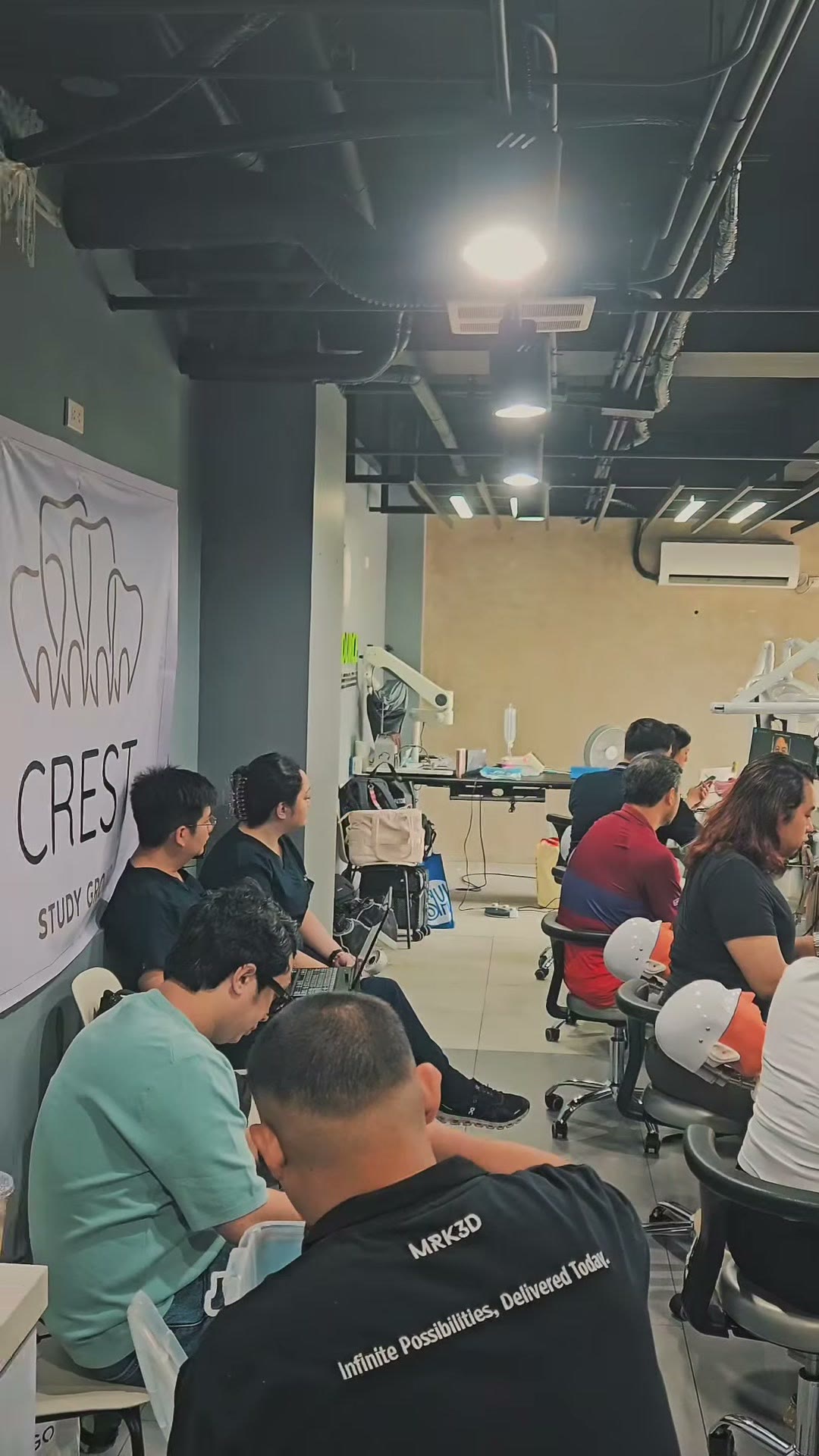
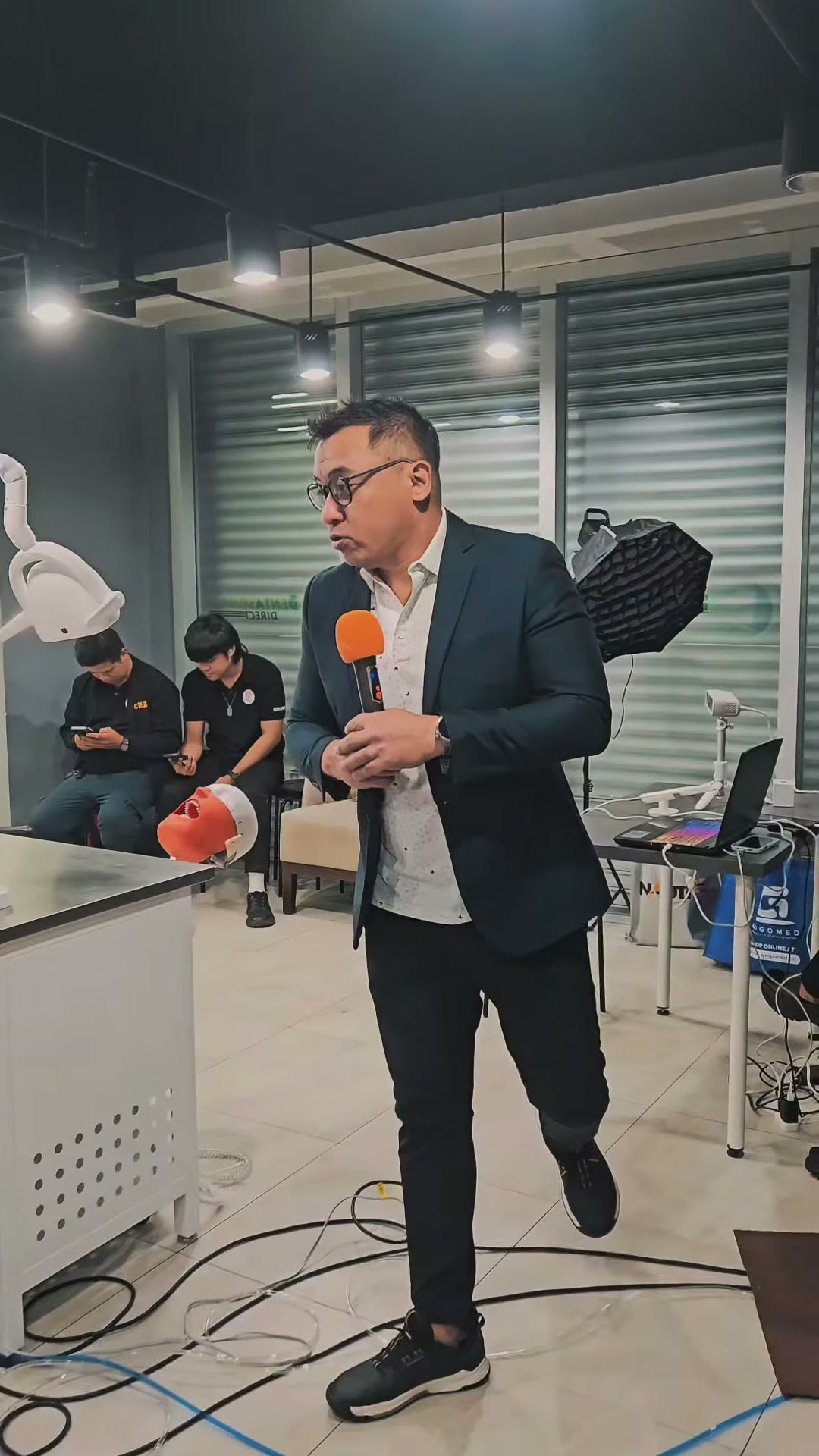
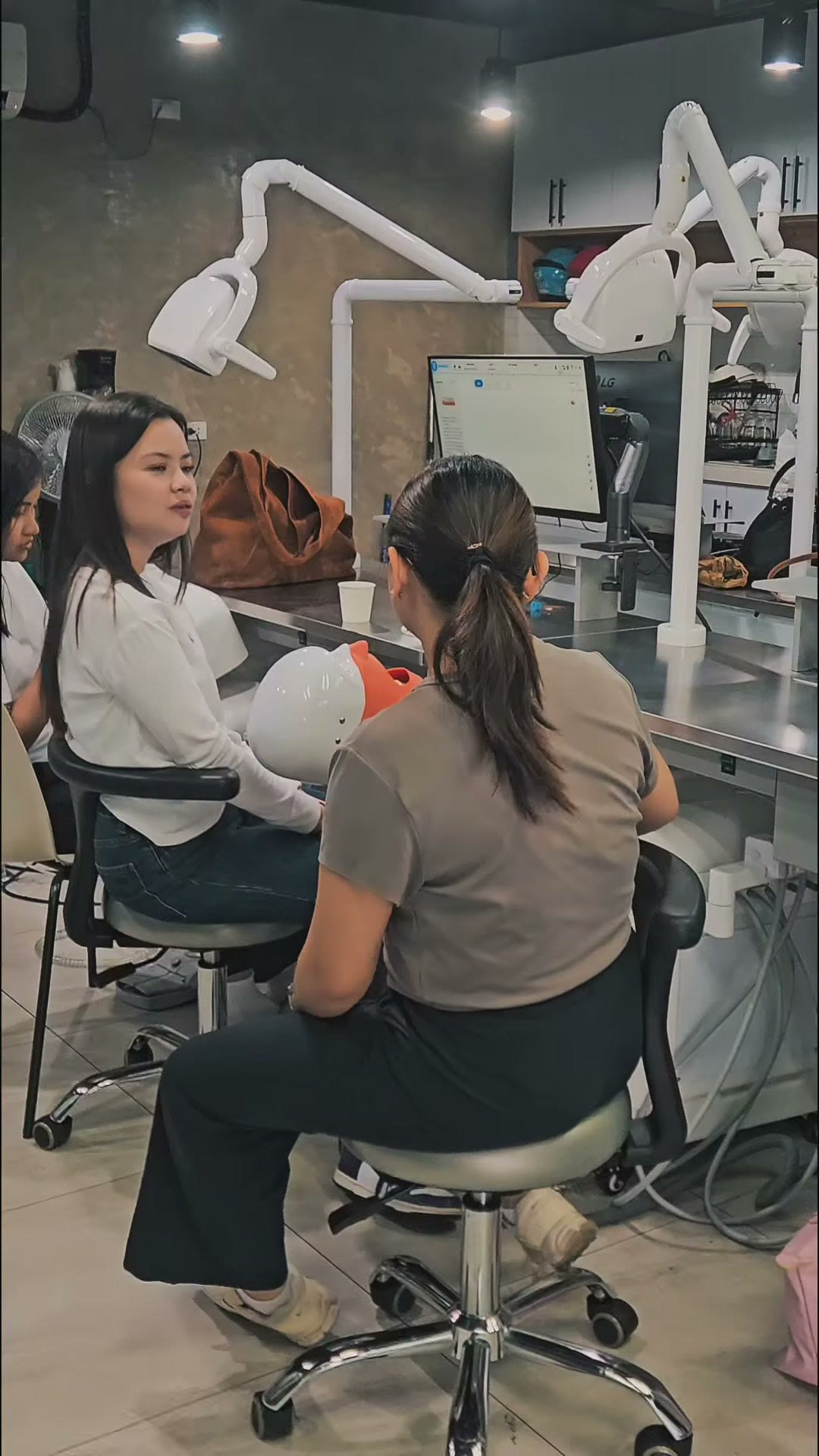
Watching a case run start to finish is a different lesson from watching the surgical step alone. Most of what determines the result happens before the guide goes in.
Why It Matters for a Clinic
Esthetic cases are the ones patients talk about, and the ones most likely to be disputed if the result is close but not right. A workflow that puts the plan on a screen before anything is cut gives the clinician something to show the patient in advance and something to measure the outcome against afterwards.
It also protects the clinic. A plan the patient has seen and agreed to is a very different conversation from a result the patient is seeing for the first time in a mirror.
The Training Center is at Units 307 and 308, 3rd Floor, Mercedes Square Plaza, Mercedes Avenue corner Luis Street, San Miguel, Pasig City.
From Our Facebook Page
Written from our posts of May 24 and June 8, 2026.
 Facebook reelWatch the original with soundFacebook reelWatch the original with sound