The Course
On August 18, 2026 the DentaSource Direct Training Center welcomed its first batch of TADS training. The course was conducted by Dr. Emil Dayanghirang Santos, and the first group of participants came from a partner clinic, FFC Dental Clinic.
TADS stands for temporary anchorage devices, the orthodontic mini-screws placed in bone to give an appliance something fixed to pull against, then removed once the movement is finished. Placement is a small surgical step with a real learning curve, which is why it is taught with a screw in the hand rather than on a slide.
Lecture First
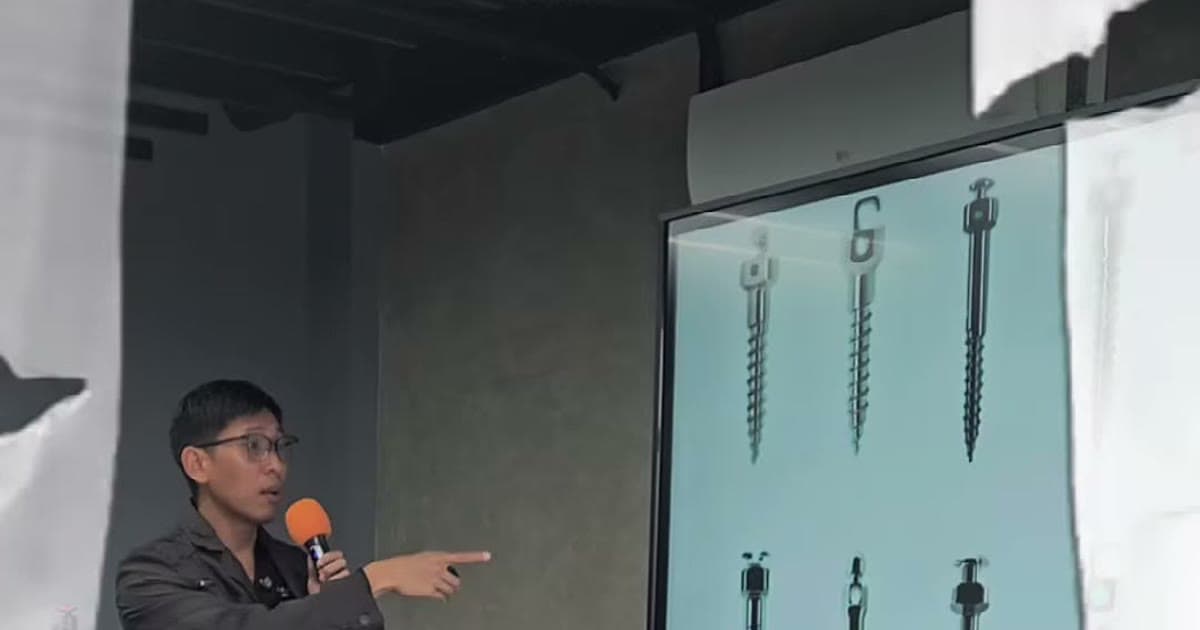
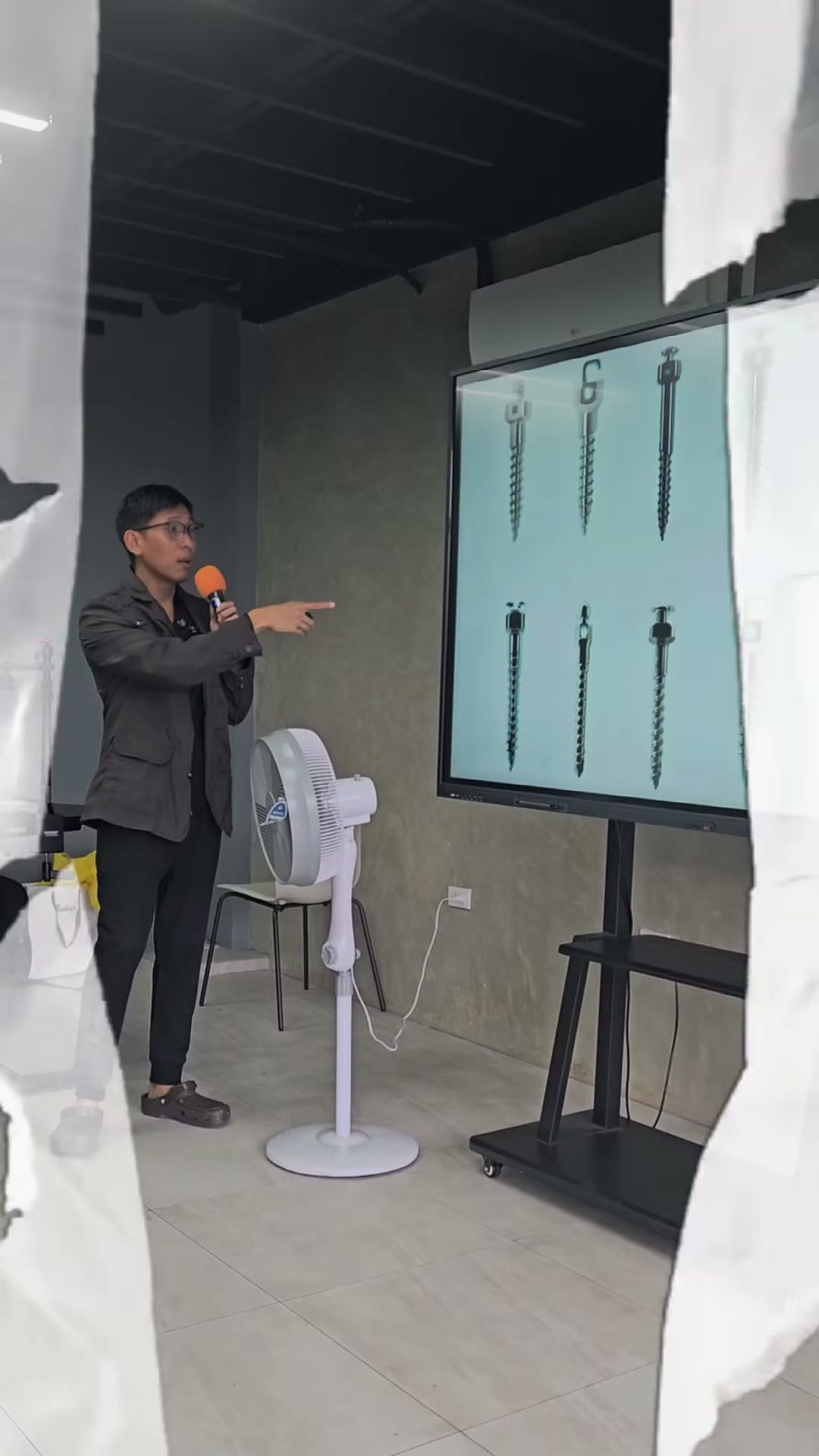
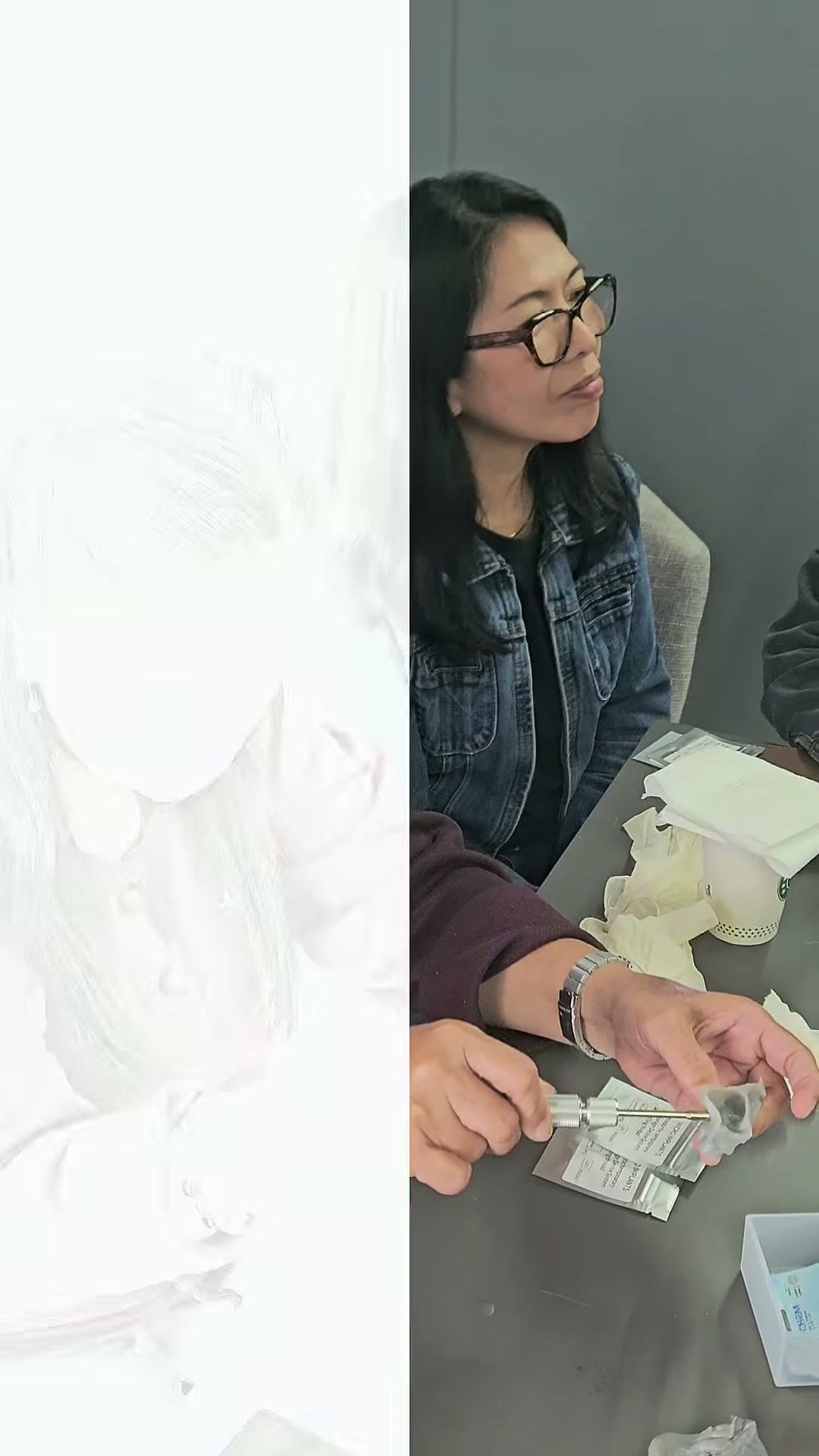
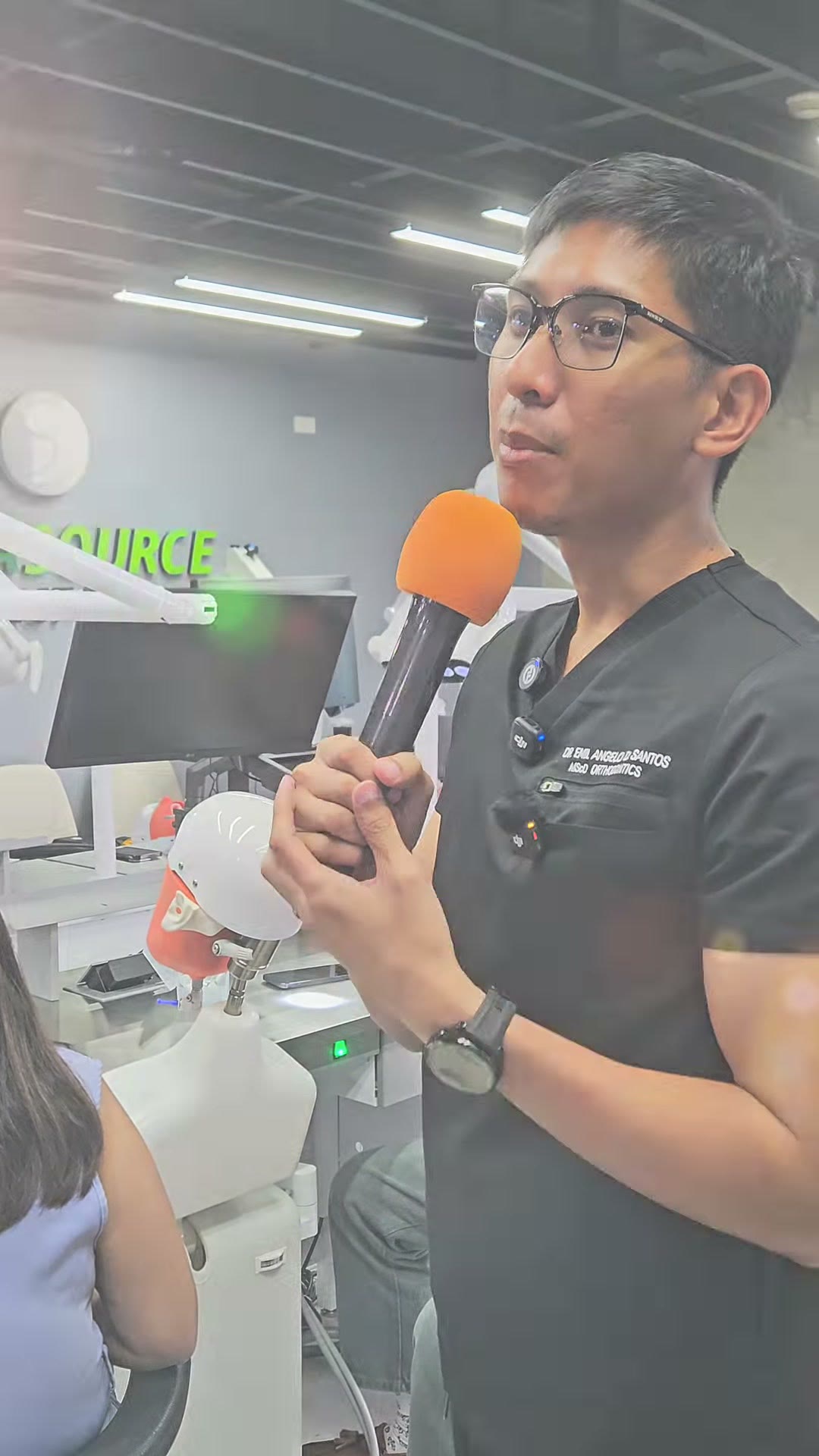
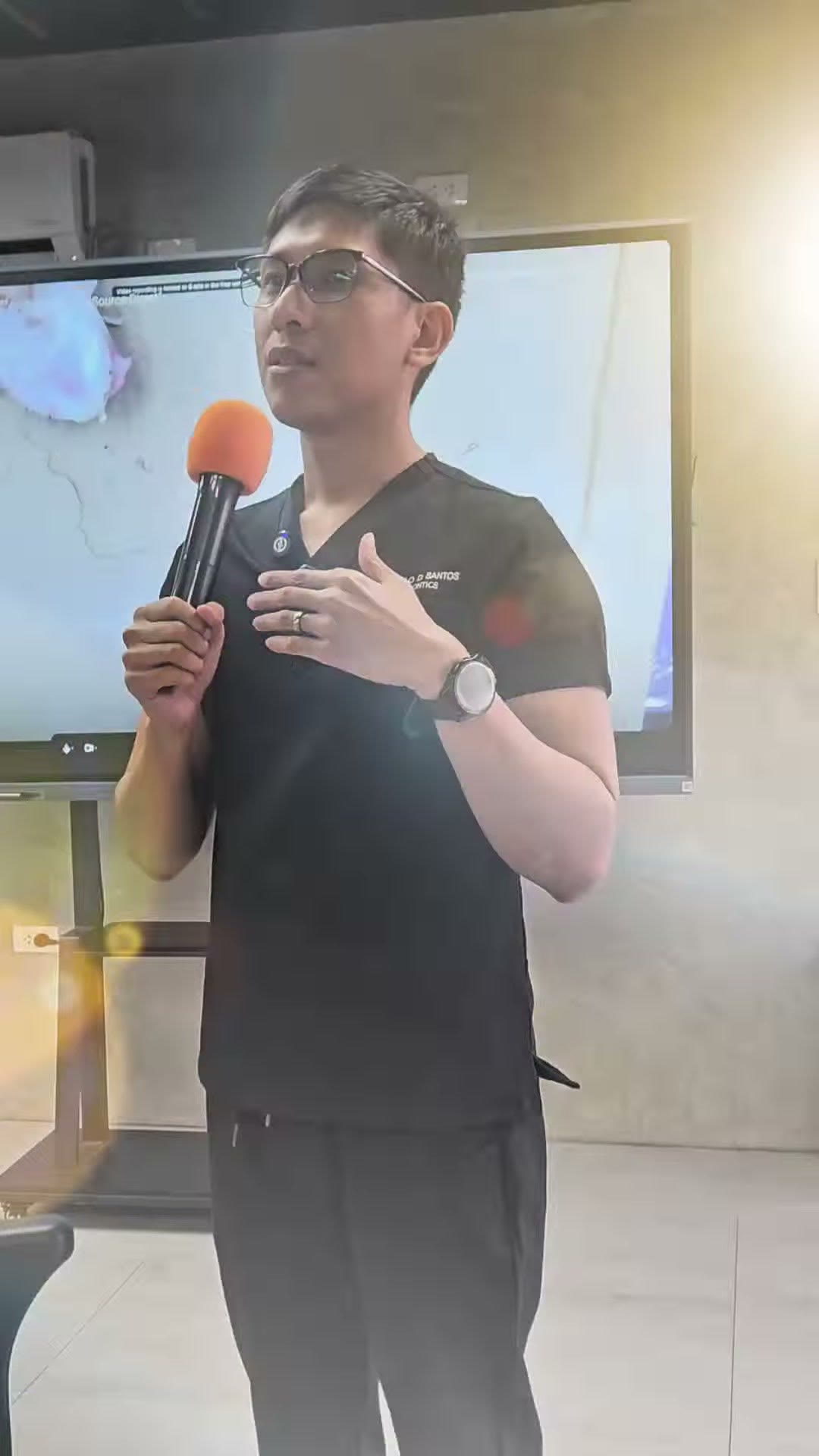
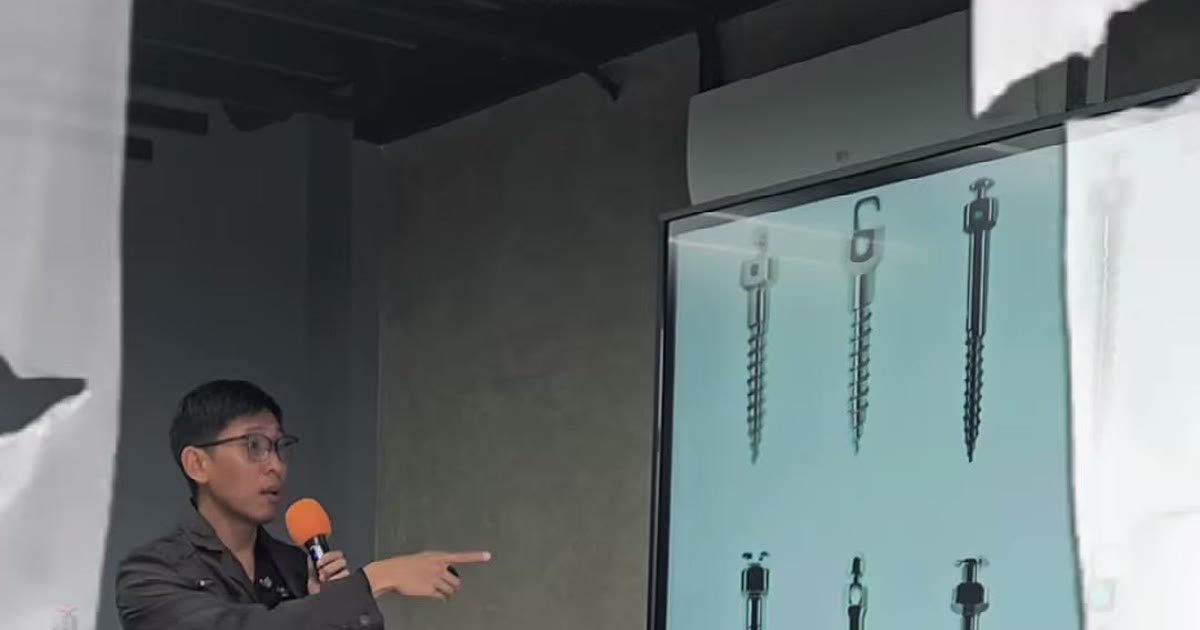
The course opened with specification. The first still is Dr. Emil at the mini-screw slide, going through diameters, lengths and the head designs that decide how an elastic or a wire attaches. Choosing the screw is half the decision, and it is made before anyone touches a driver.
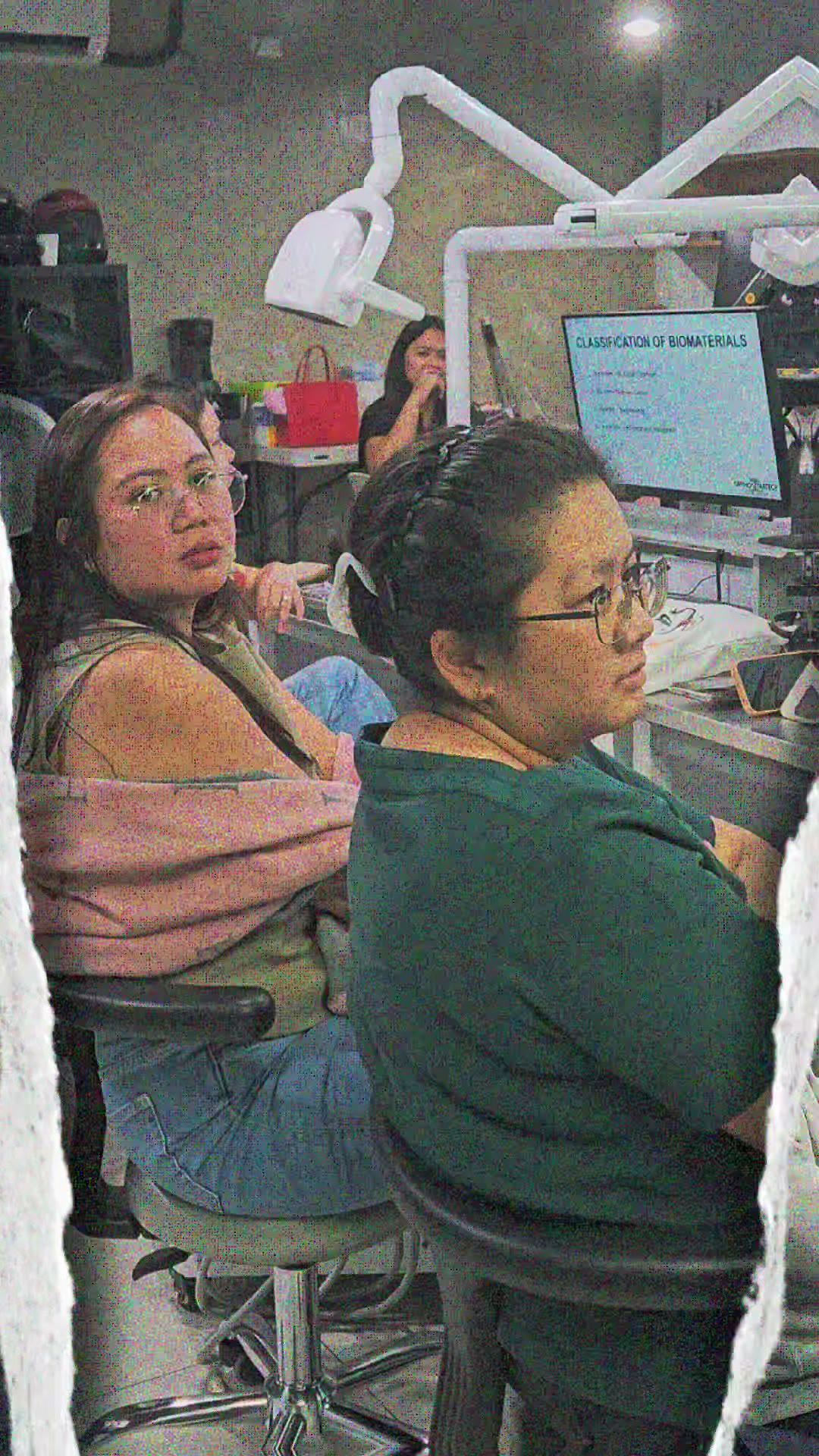
From there the room moved to site selection and the anatomy that constrains it: where there is enough bone, where the roots are, and what the soft tissue over the site does to stability.
Hands on the Bench
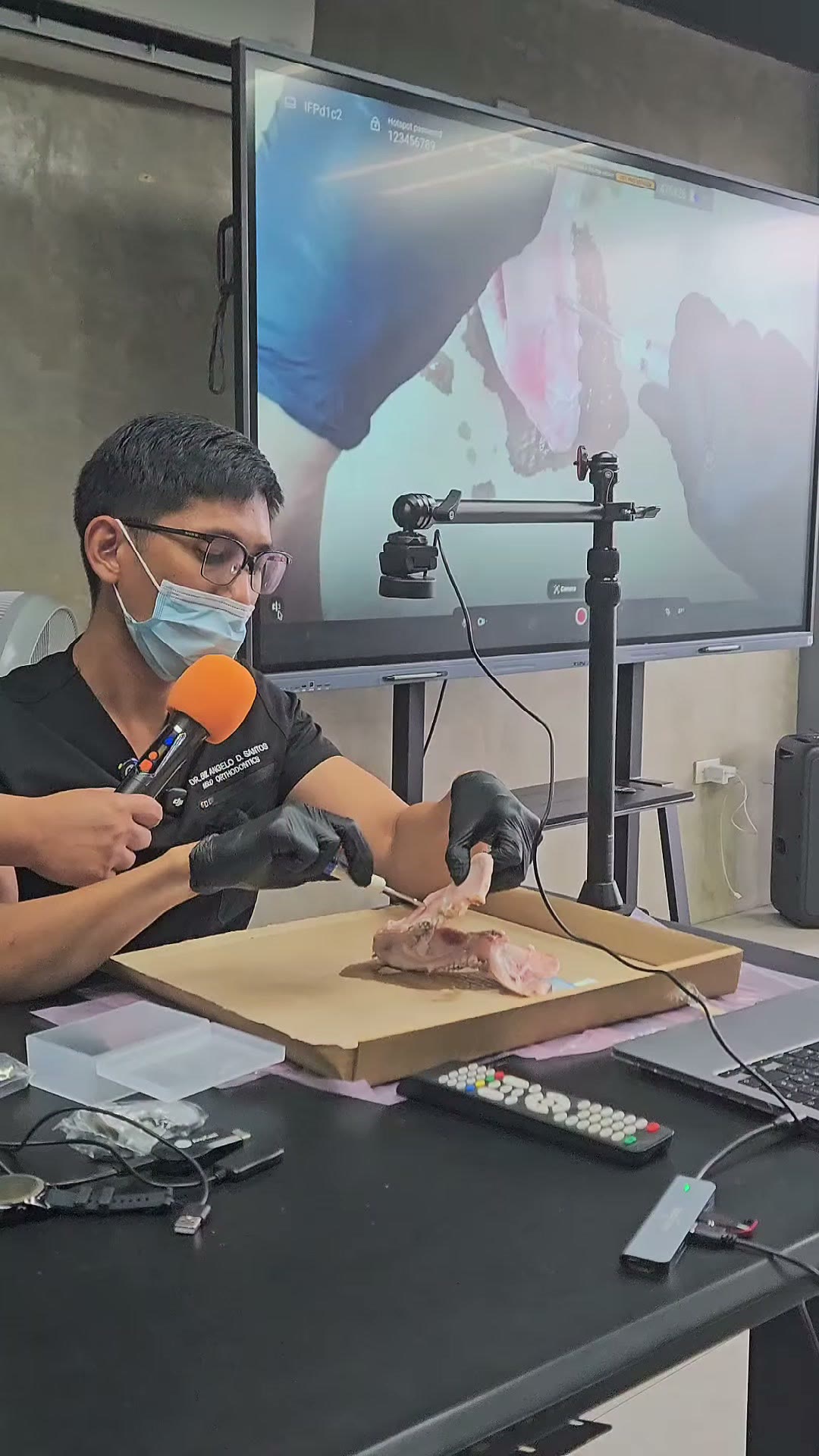
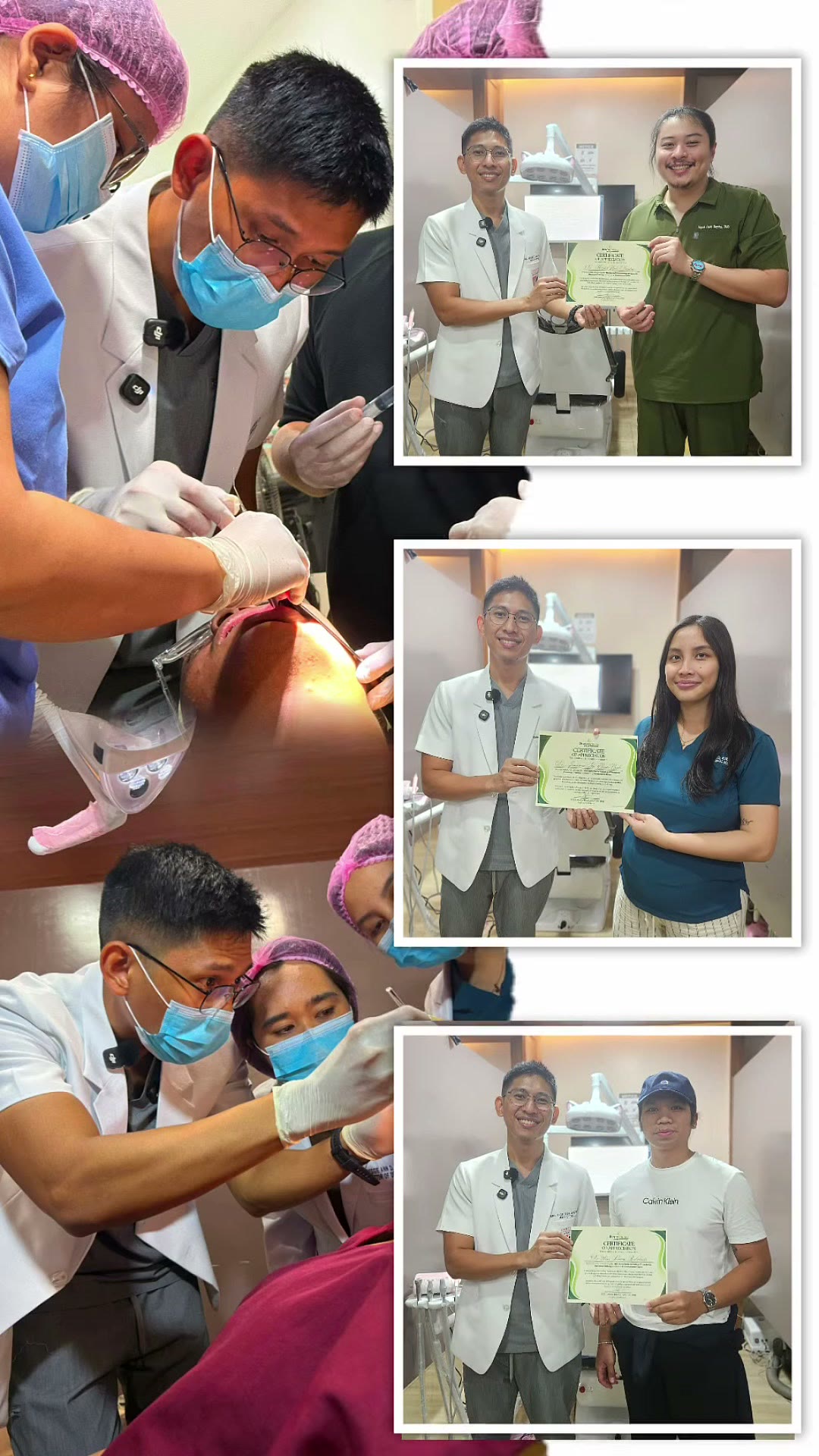
The workshop half put a driver in every hand. Participants practised screw insertion on a pig jaw model under a camera rig, so that the operator's view could be shown to the whole room while the rest of the group worked at their own benches.
The pig jaw is used because it behaves like the real thing under a screw. Cortical bone that grabs, cancellous bone that does not, and the tactile feedback that tells an operator to stop turning. That feedback is the entire lesson, and it does not survive a video.
The Lecturer
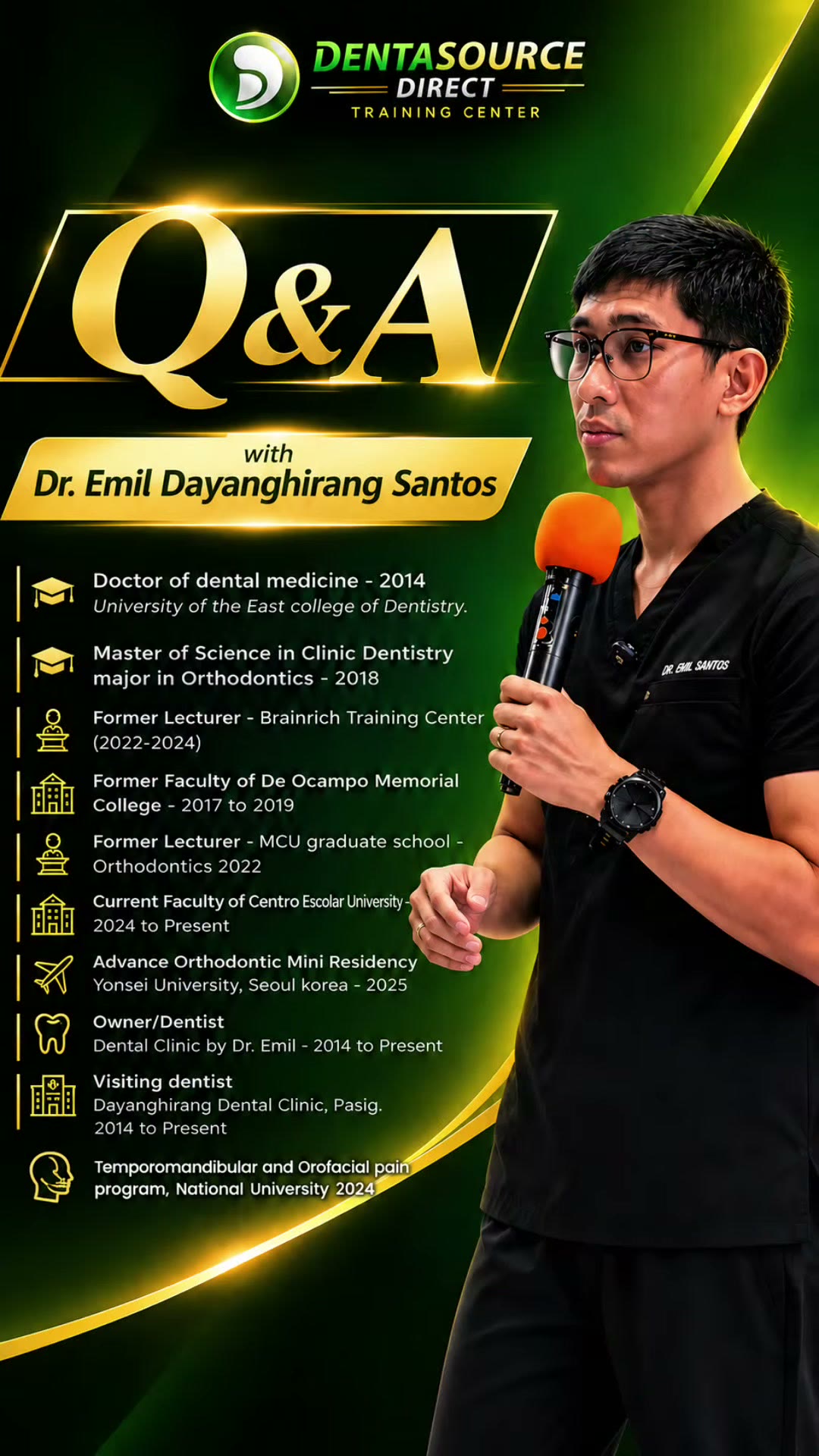
The Q&A card carried Dr. Emil's credentials. Doctor of Dental Medicine from the University of the East in 2014, an MSc in Clinical Dentistry major in Orthodontics in 2018, faculty at Centro Escolar University, an advanced orthodontic mini-residency at Yonsei University in Seoul in 2025, and owner of Dayanghirang Dental Clinic in Pasig.
That mix matters for a course like this. Teaching experience keeps the lecture ordered, and a running clinic keeps the answers grounded in cases that actually walked in.
The Questions
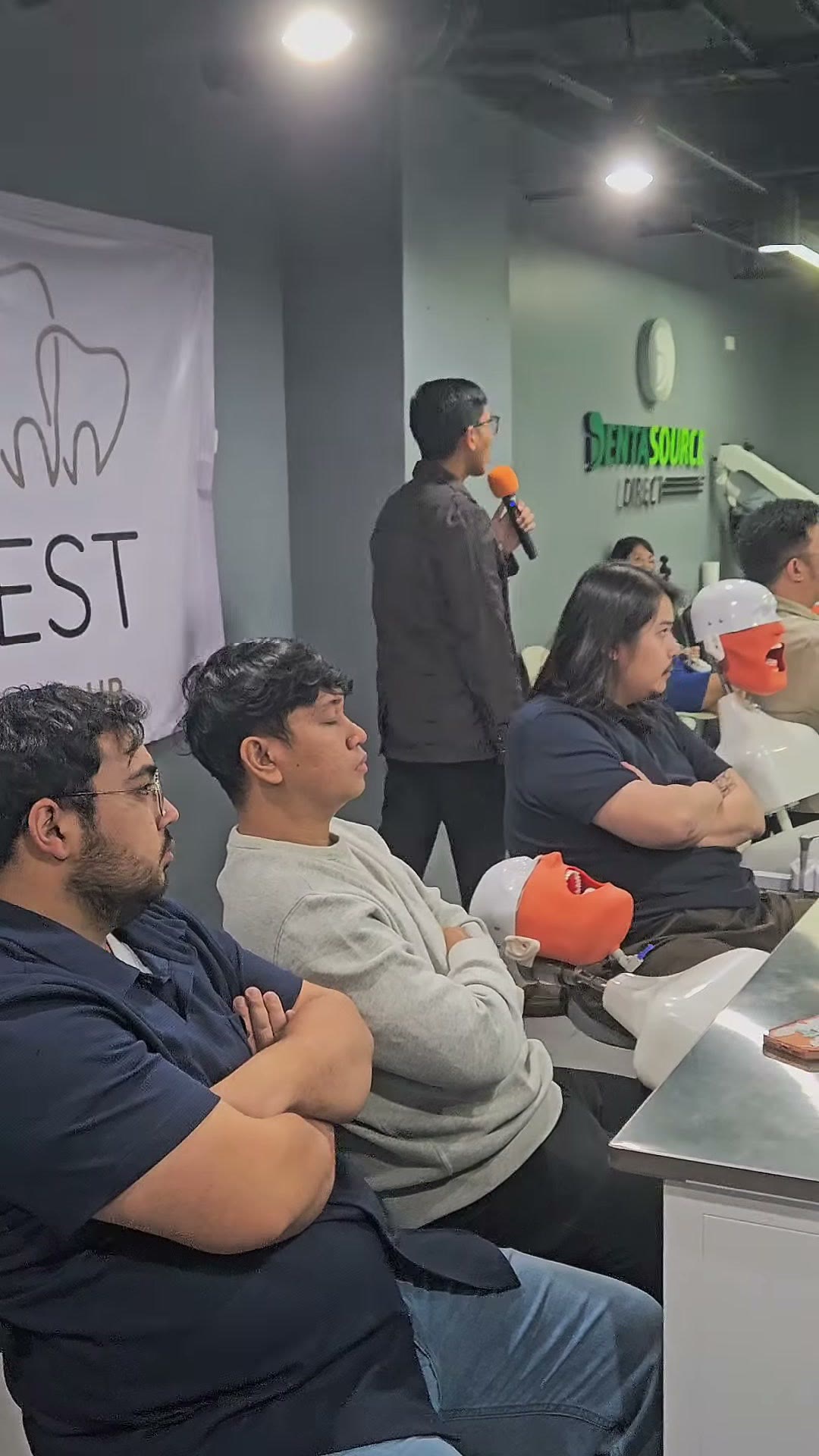
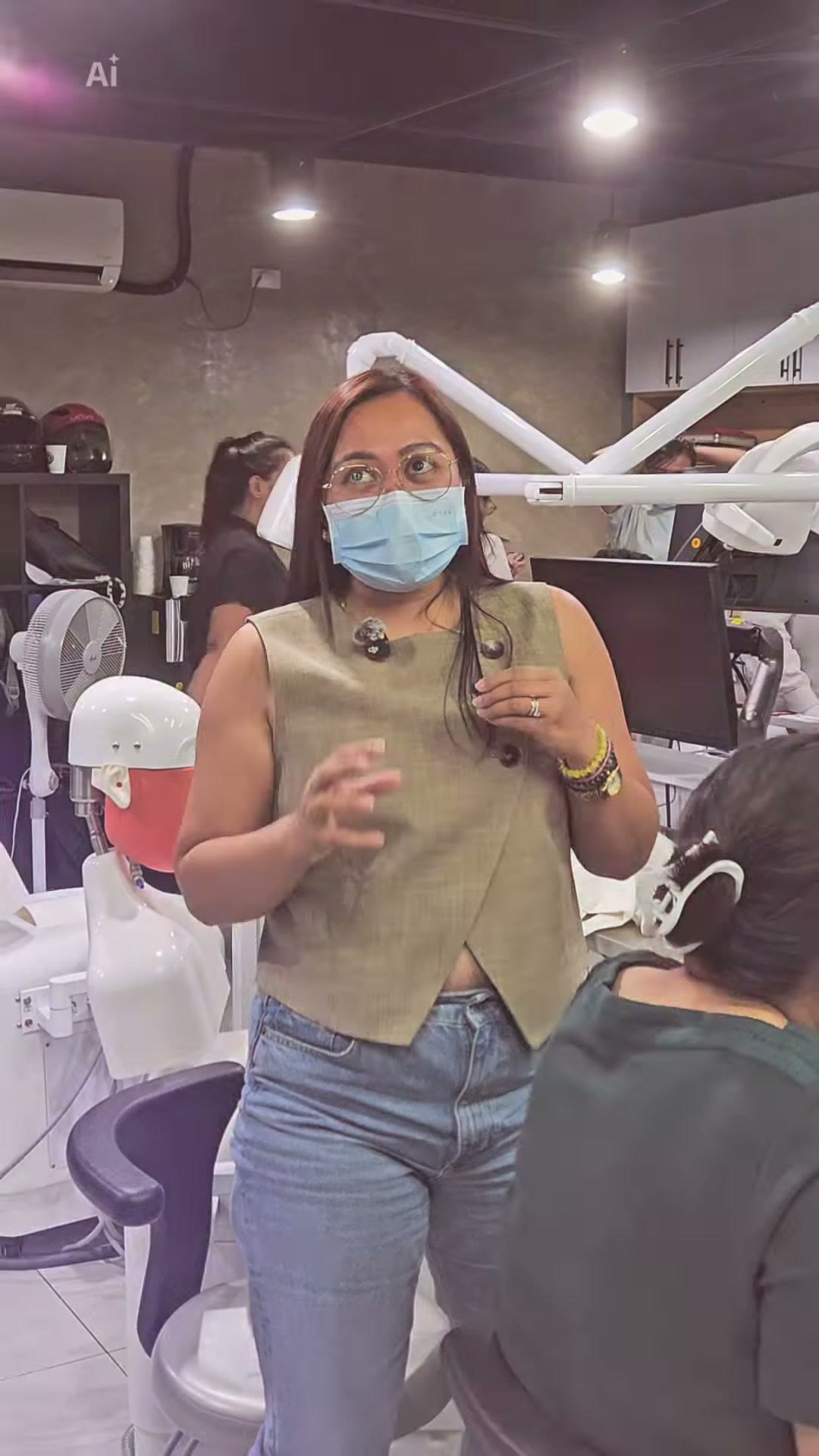
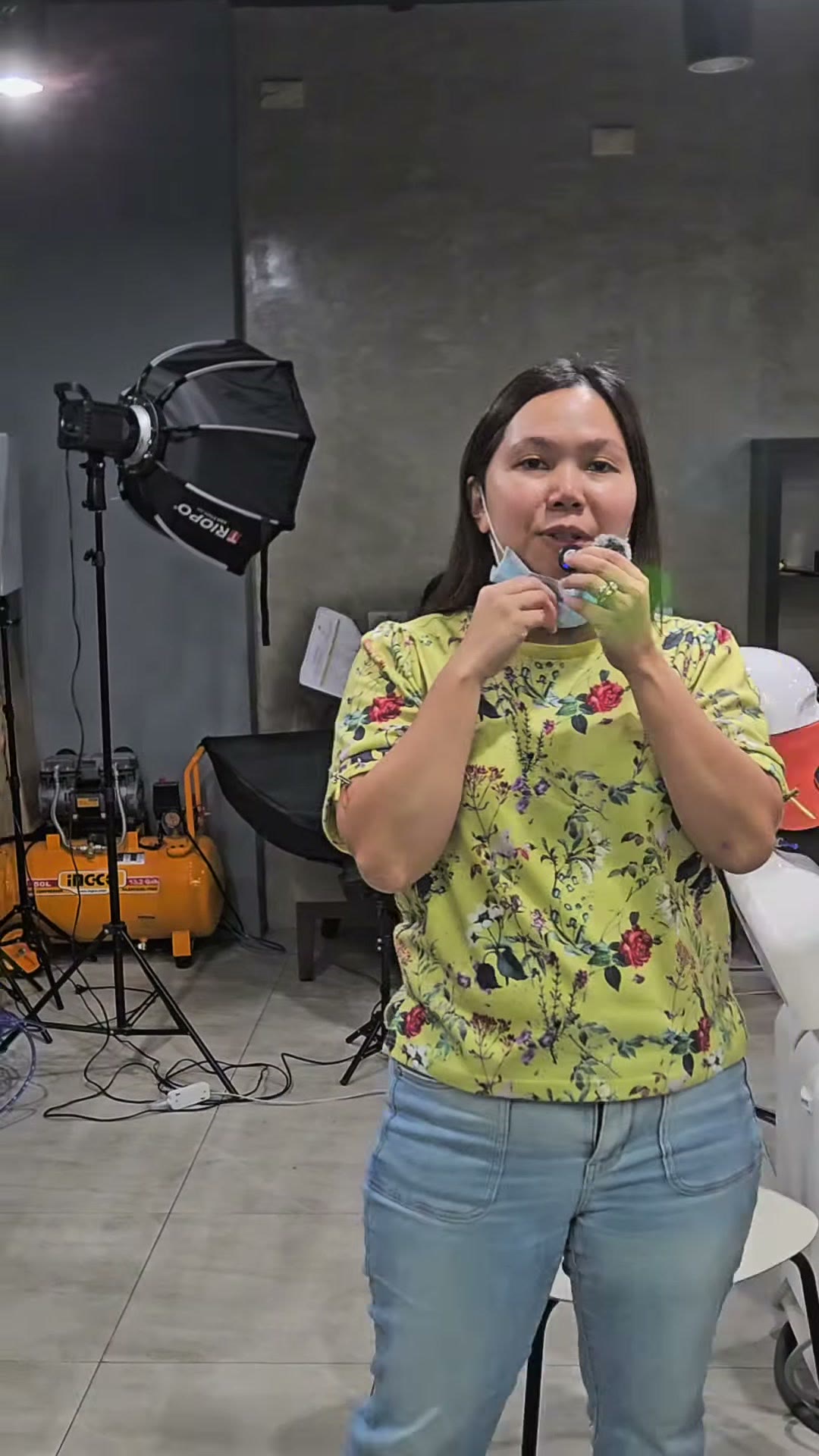
On August 21 we posted a stretch of the open forum, and it is the part of the day that says the most about the room. One participant asked how a given case would actually be handled in clinic, in her own words, and the answer was worked through step by step at the screen rather than summarised.
Questions like that are the reason a workshop beats a webinar. The lecture covers what should happen. The forum covers what happens when the bone is thin, the patient is moving, or the screw does not seat the way the diagram says it will.
From Model to Patient, Then Certificates
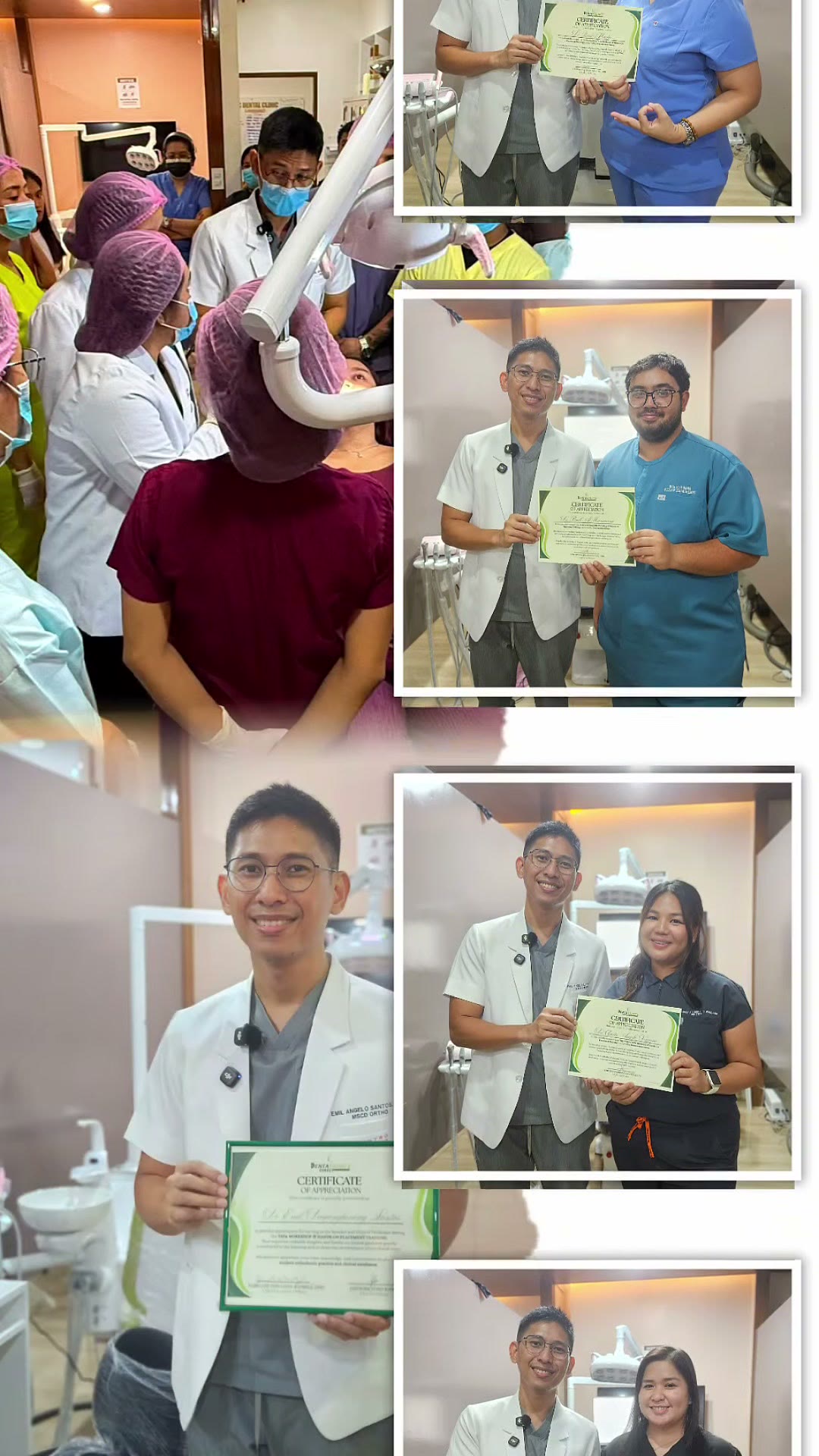
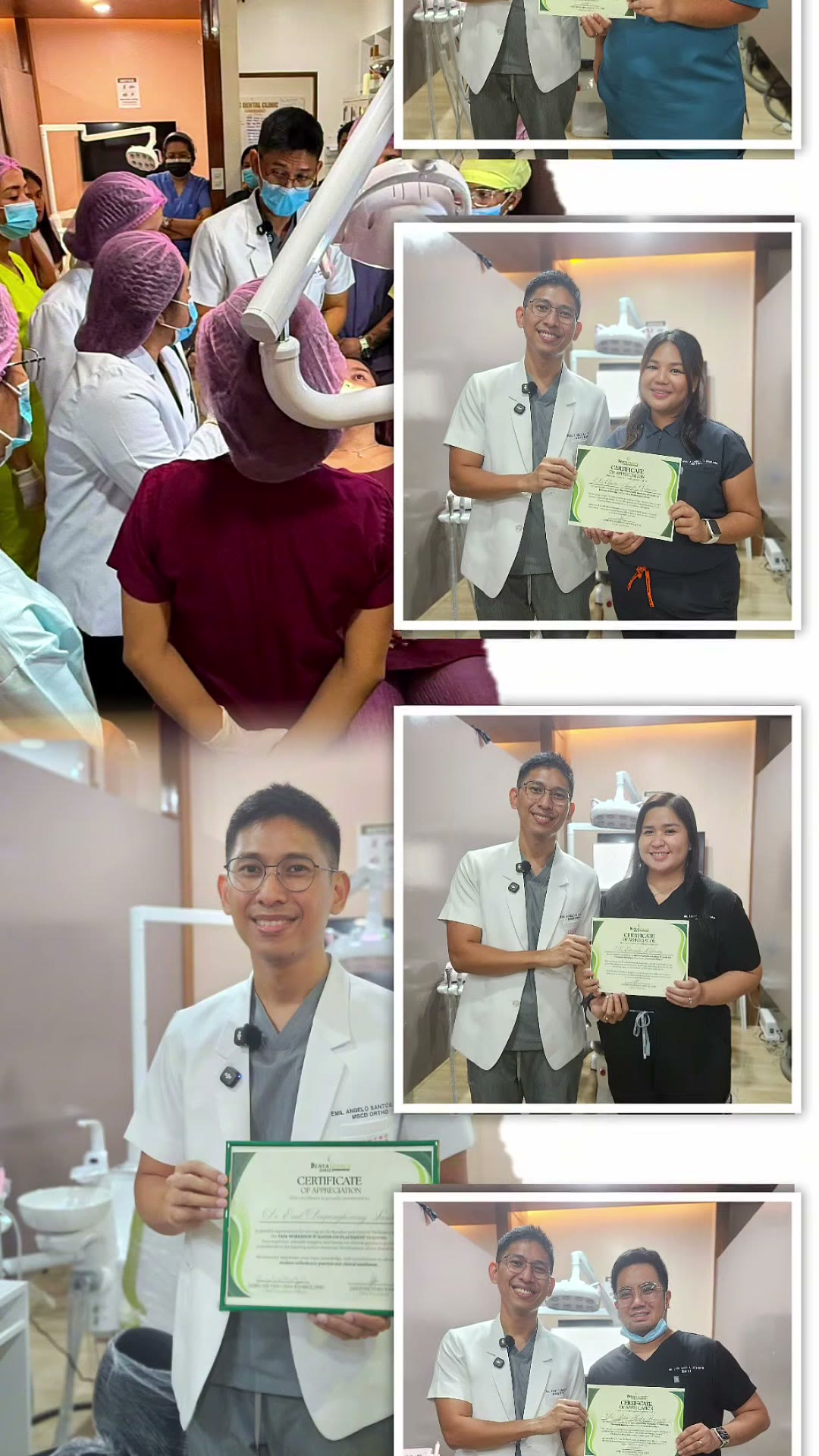
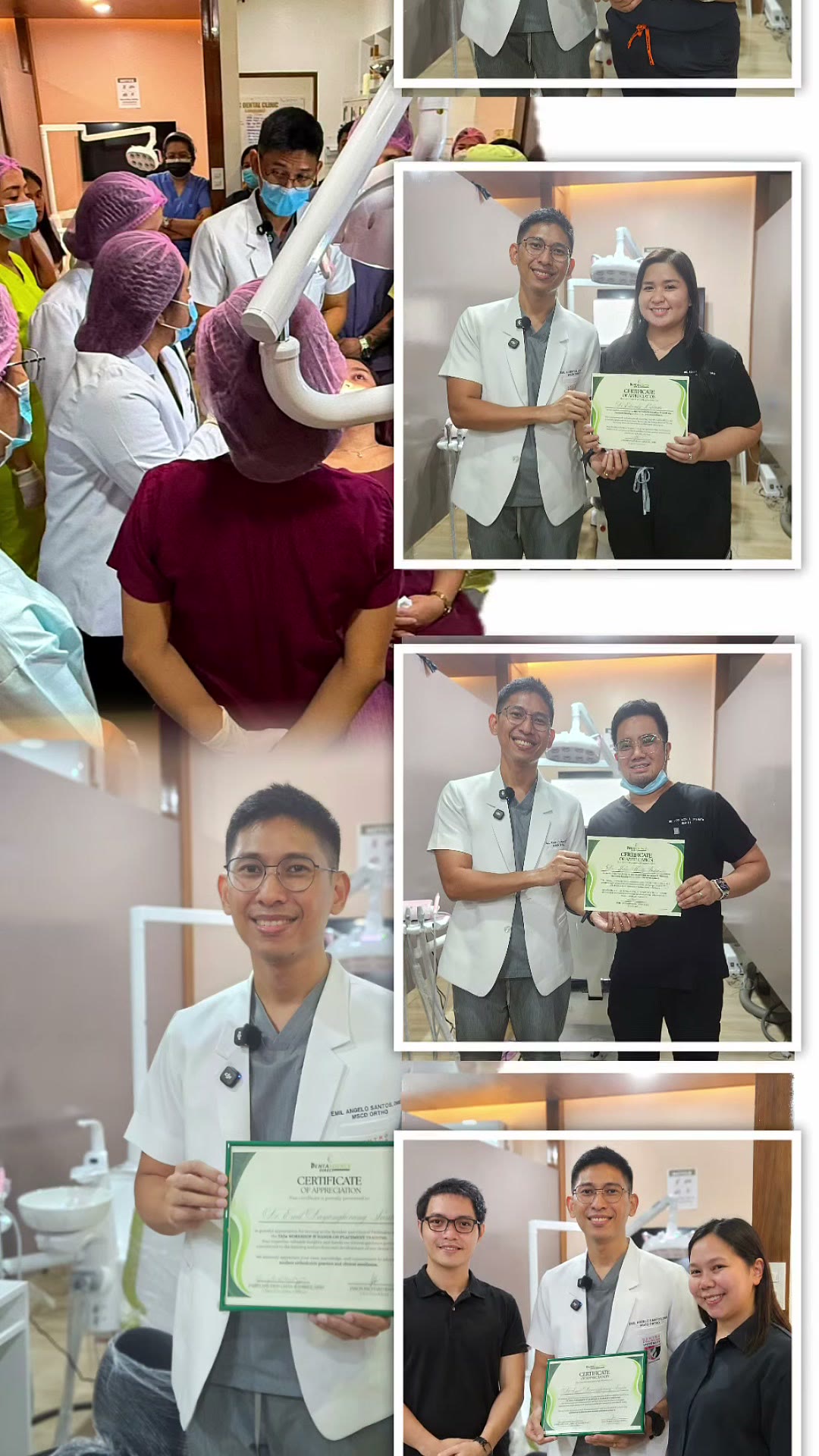
The course closed on August 25 with the step that the whole week was building toward. Participants in caps and masks placing screws in a supervised live session, then the certificate handovers, with the lecturer beside each graduate.
A certificate is not the point of a course like this. What the batch actually took home is a placement sequence they have run themselves, and a lecturer they can go back to when the first difficult case turns up in their own chair.
The Next Batch
A second batch is open. The course is written for general dentists who take orthodontic cases and want anchorage they can place themselves, and for orthodontists who have been referring the placement step out. Batches are kept small so that every participant gets bench time and supervised placement rather than a seat at the back.
The Training Center is at Units 307 and 308, 3rd Floor, Mercedes Square Plaza, Mercedes Avenue corner Luis Street, San Miguel, Pasig City. Schedules, fees and registration are on request.
From Our Facebook Page
Written from our posts of August 18, 21 and 25, 2026.
 Facebook reelWatch the original with soundFacebook reelWatch the original with soundFacebook reelWatch the original with sound