From The Classroom To The Chair
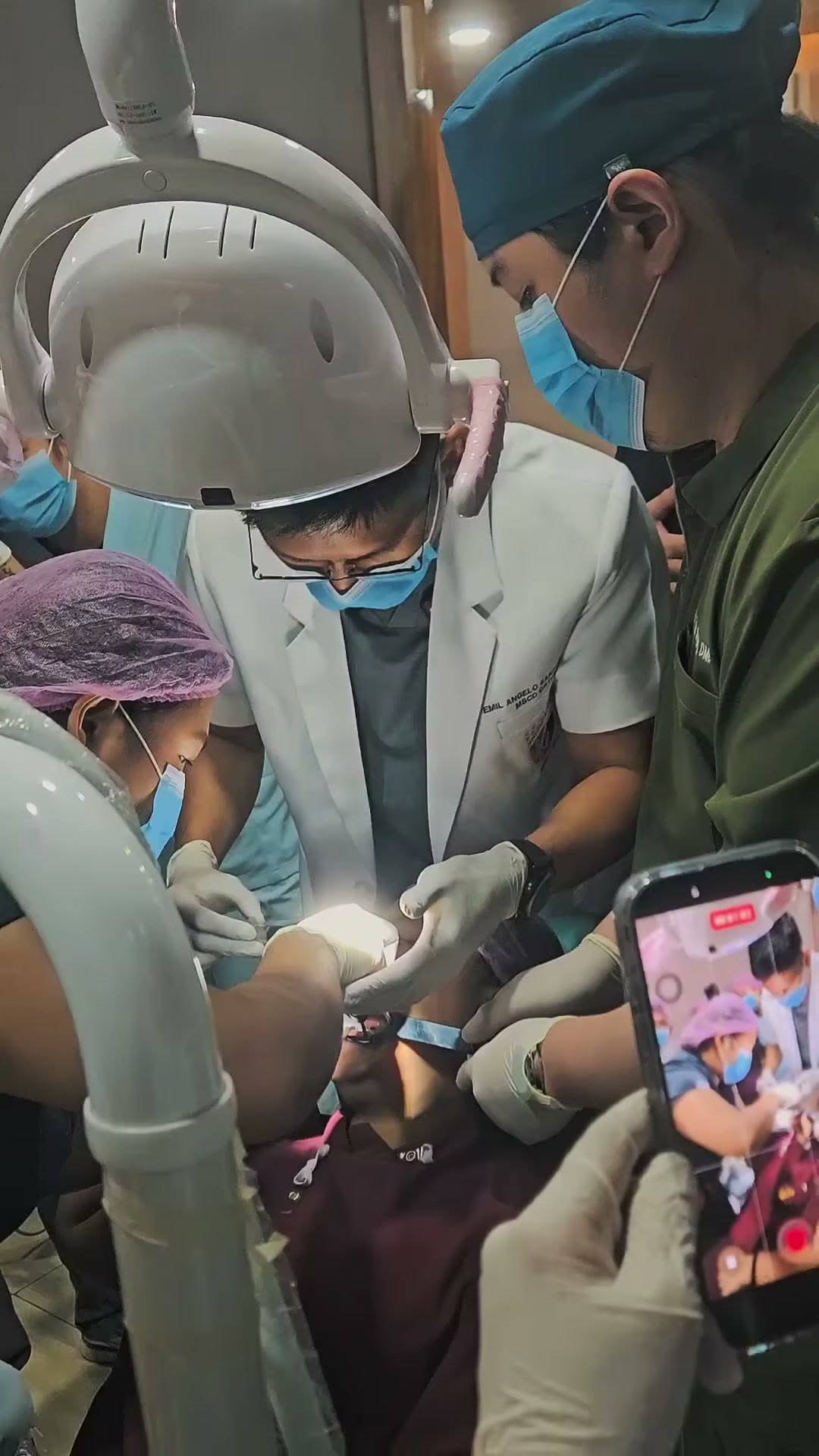
On August 31, 2026 the first batch of our mini screw programme moved out of the classroom and into a working clinic. The dentists who trained at the DentaSource Direct Training Center in Pasig on August 17 and 18 spent the day at FFC Dental Clinic placing temporary anchorage devices on live patients, with Dr. Emil Dayanghirang Santos supervising every placement.
The classroom half of the programme is covered in our earlier report on the first TADs batch at the Training Center. This article is the second half, the one that decides whether the first half took.
What A TAD Is
A temporary anchorage device, usually called a TAD or a mini screw, is a small titanium screw placed in the jaw bone. Orthodontics is a game of push against pull, and without a fixed point the teeth you want to hold still drift as much as the teeth you want to move. The screw gives the appliance that fixed point. It comes out once the movement is done.
Placement itself takes minutes. What takes training is everything around it: reading the site off the radiograph, choosing the length, finding the angle, and staying clear of the roots on either side.
Reading The Case First
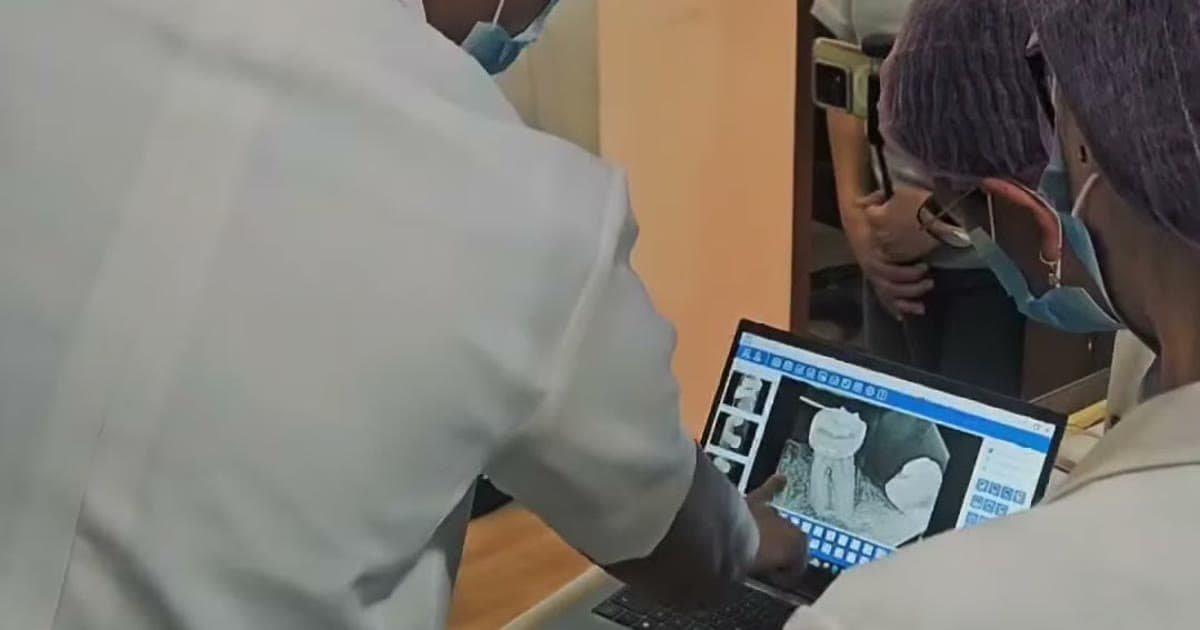
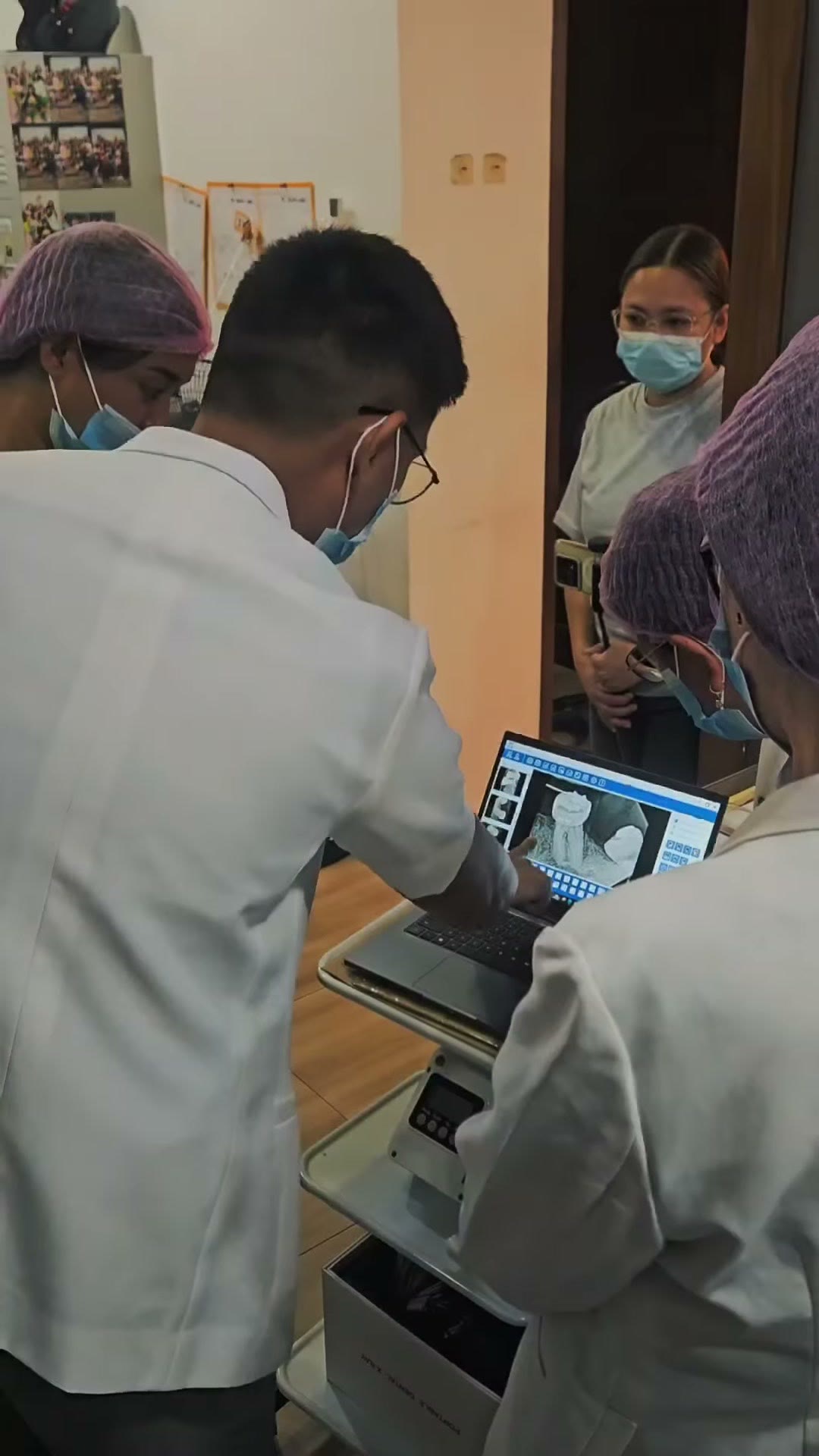
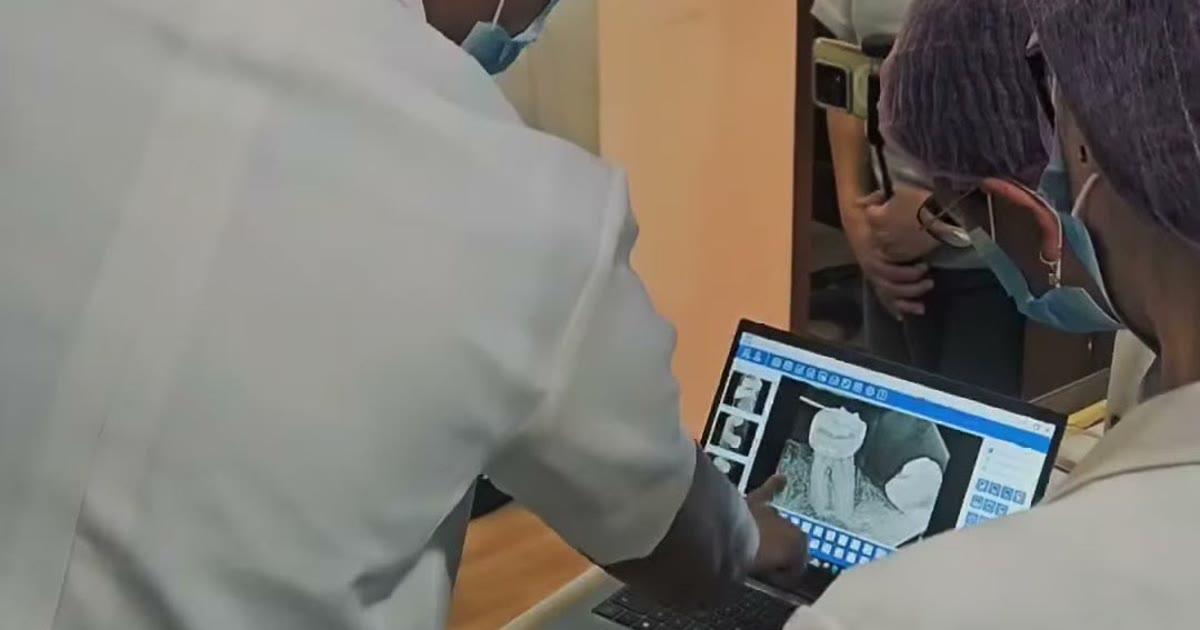
The session opened with the case on a laptop rather than an instrument in a hand. The instructor and the trainee due to place first went through the scan while the rest of the cohort watched over their shoulders, marking the site and agreeing the angle before anyone was seated.
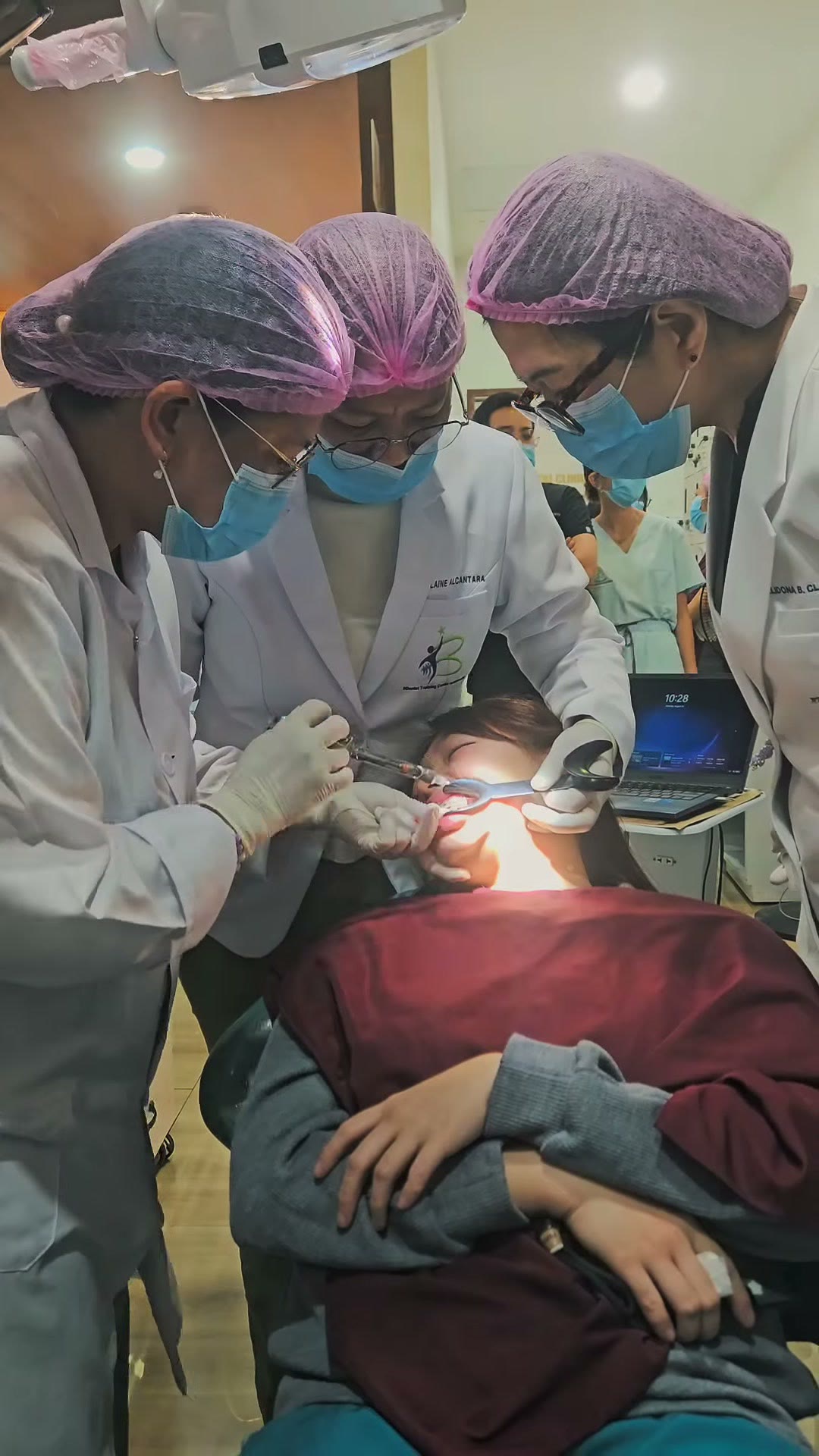
From there it moved to the chair. The first placement was done with the instructor at the trainee's elbow, hands close but not on the handpiece, and with two more clinicians standing in to see the approach from the operator's side rather than from the back of the room.
Hands On The Handpiece
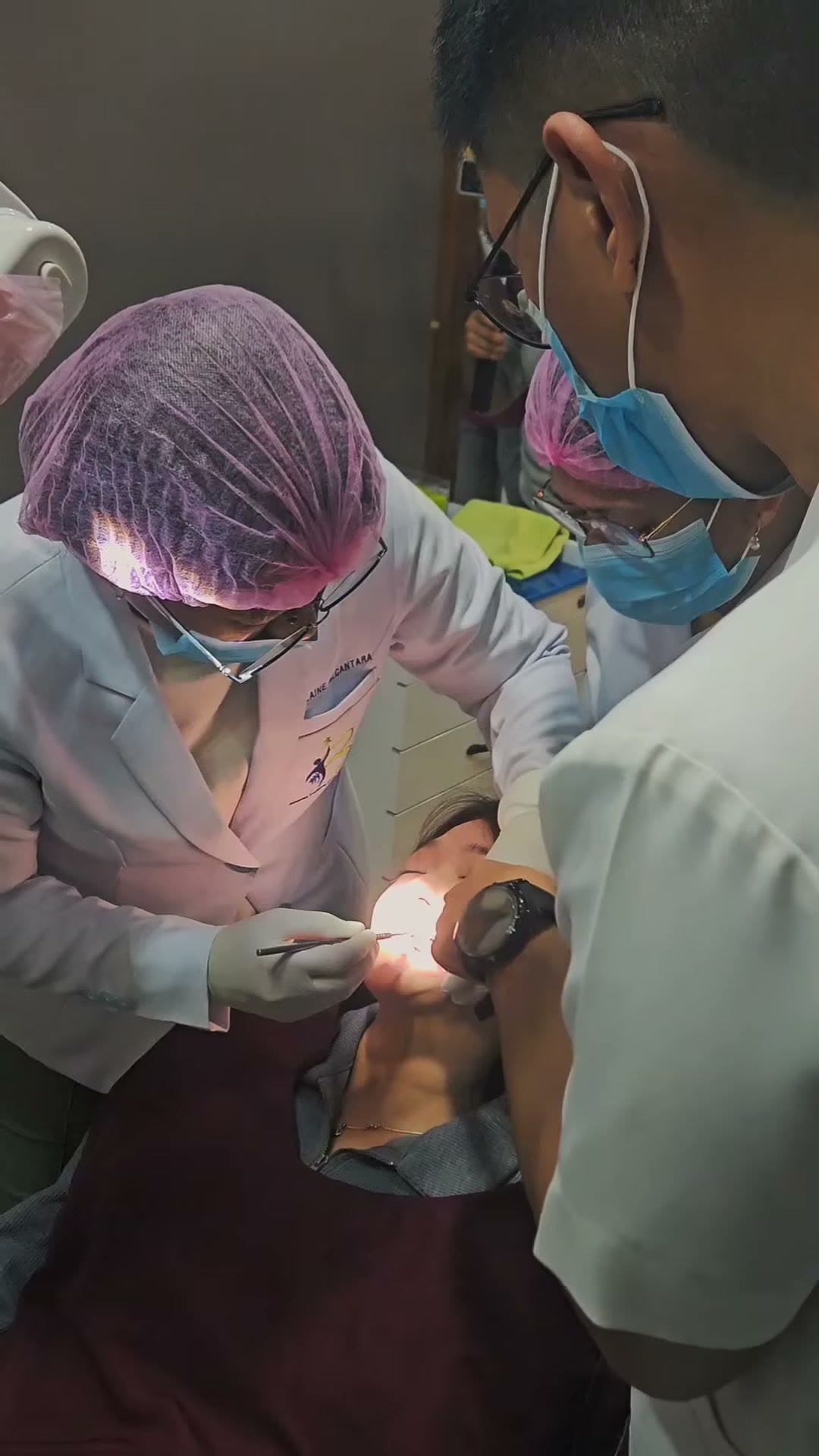
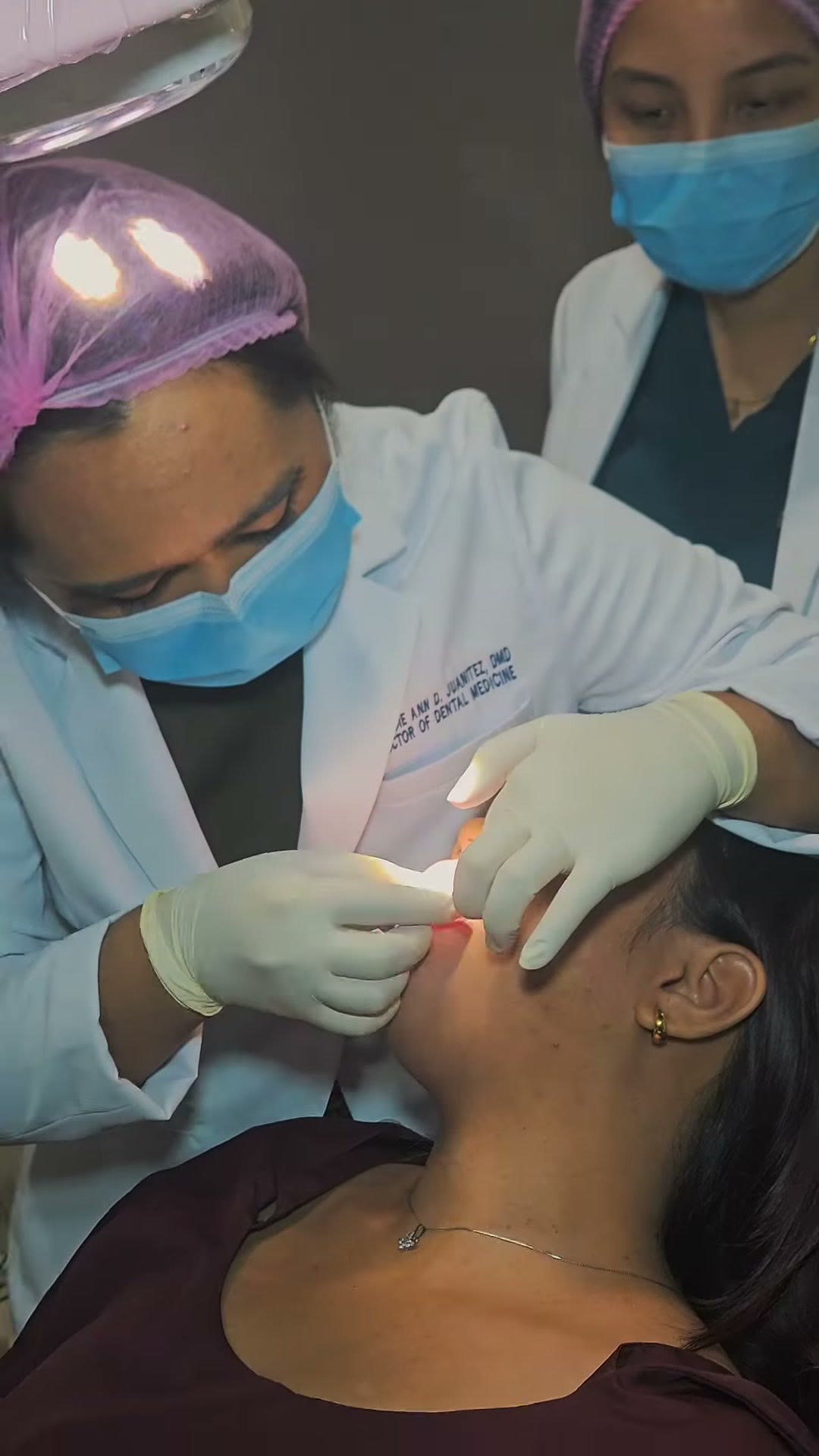
The middle of the reel is the work itself. The operating light comes over the patient, the field is isolated, and the trainee drives the screw while the instructor reads the angle from the side and calls the corrections.
This is the part a lecture cannot give you. Bone density is not the same in every site or in every patient, and the feedback that tells a clinician to stop, back off or change the angle comes through the handpiece. You learn it by feeling it, once, with someone experienced standing next to you.
The Rest Of The Room
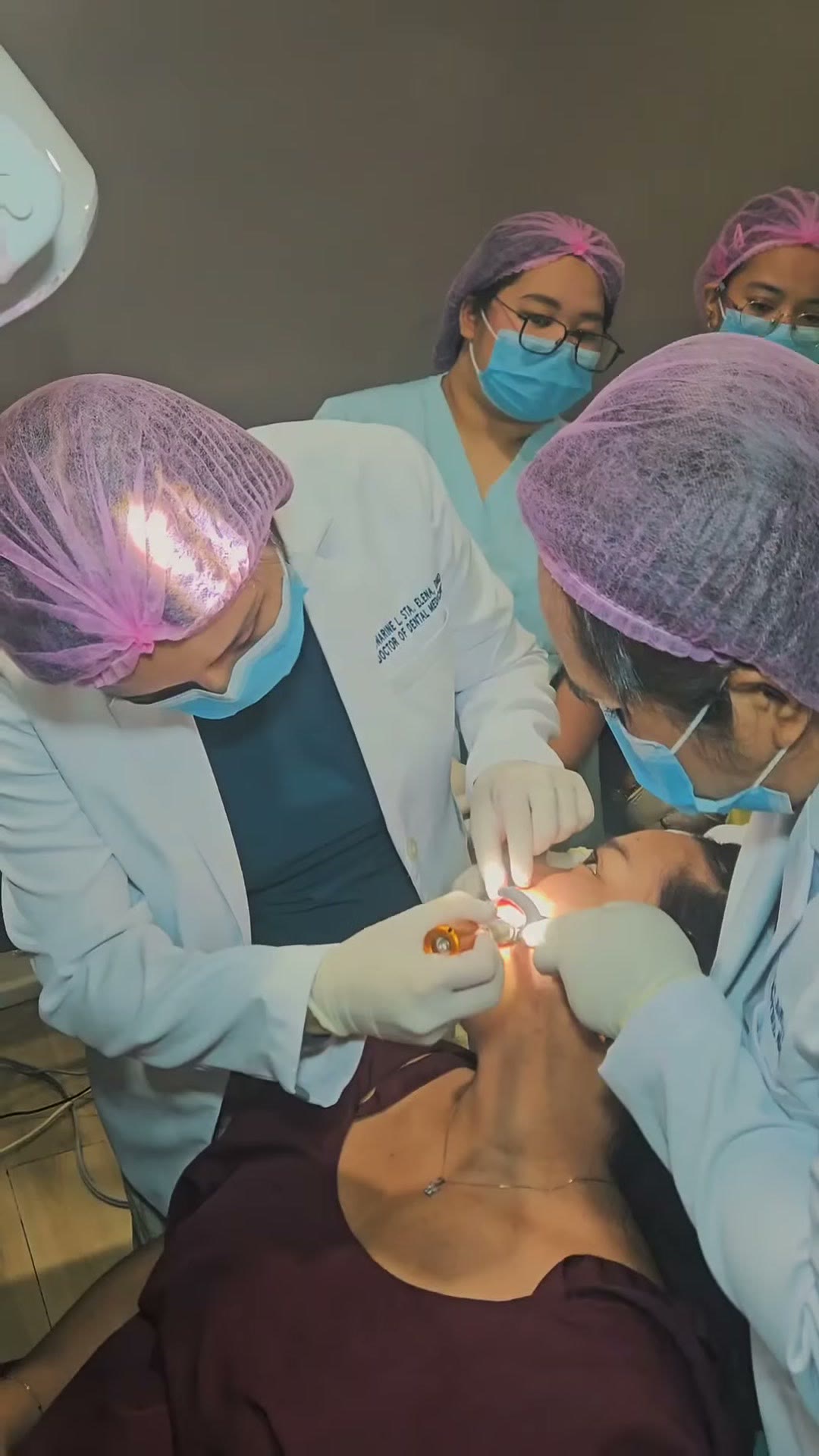
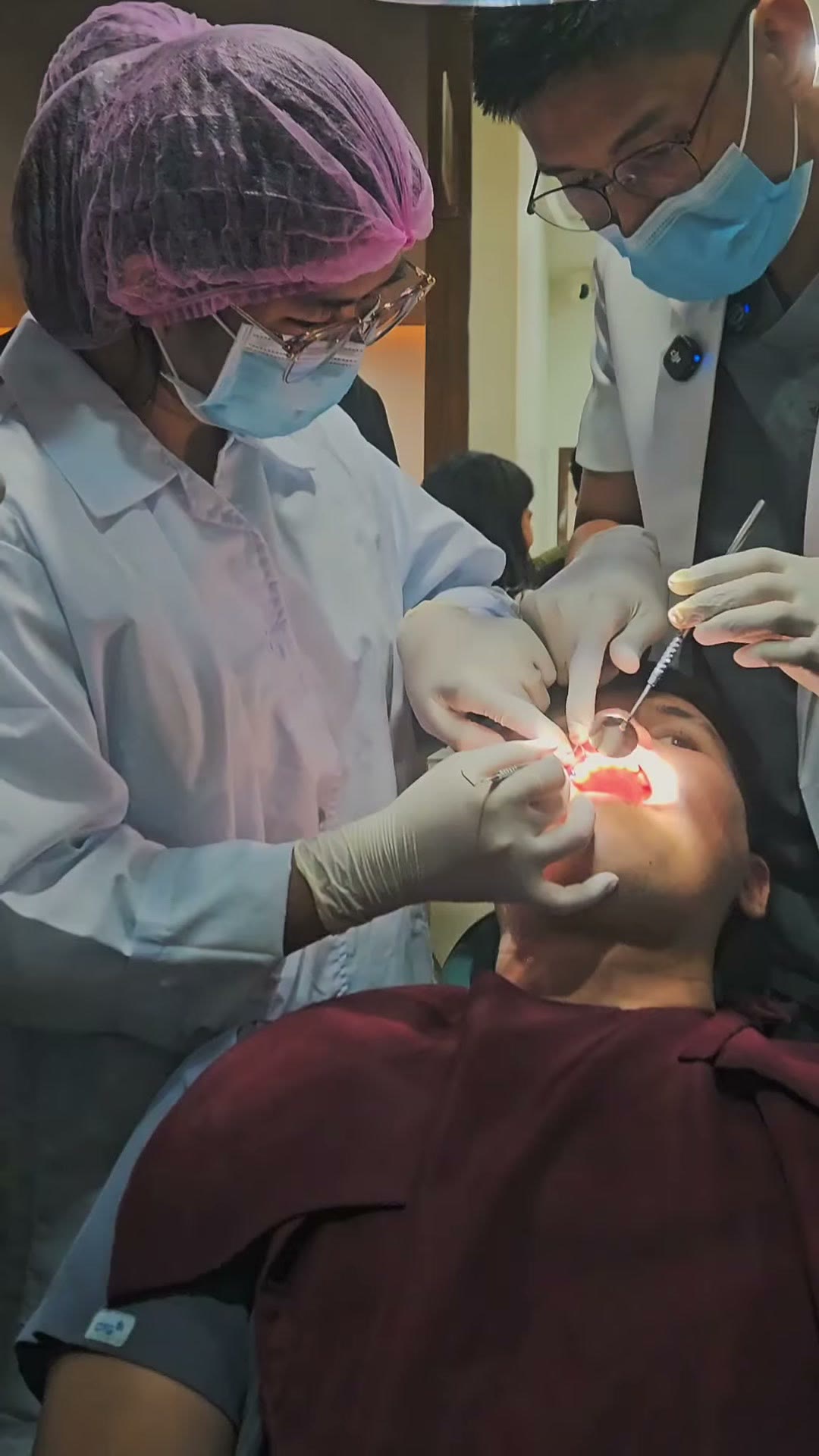
Between placements the cohort gathered around the chair, and the dentist who had just placed a screw stepped back to watch the next one from a different angle. The last frame is a straightforward examination, a clinician checking the mouth after the appliance work was finished.
Why The Live Patient Day Is The Point
A dentist who has placed a screw into a plastic jaw knows the sequence but has never felt the moment where the bone changes under the driver, and that is the moment that decides whether the screw holds.
Our congratulations to the dentists of FFC Dental Clinic, who put their own operatories and their own working day into this. Running a live patient session costs a clinic real chair time, and it is the reason the training was worth attending.
From Our Facebook Page
Written from our post of August 31, 2026.
 Facebook reelWatch the original with sound